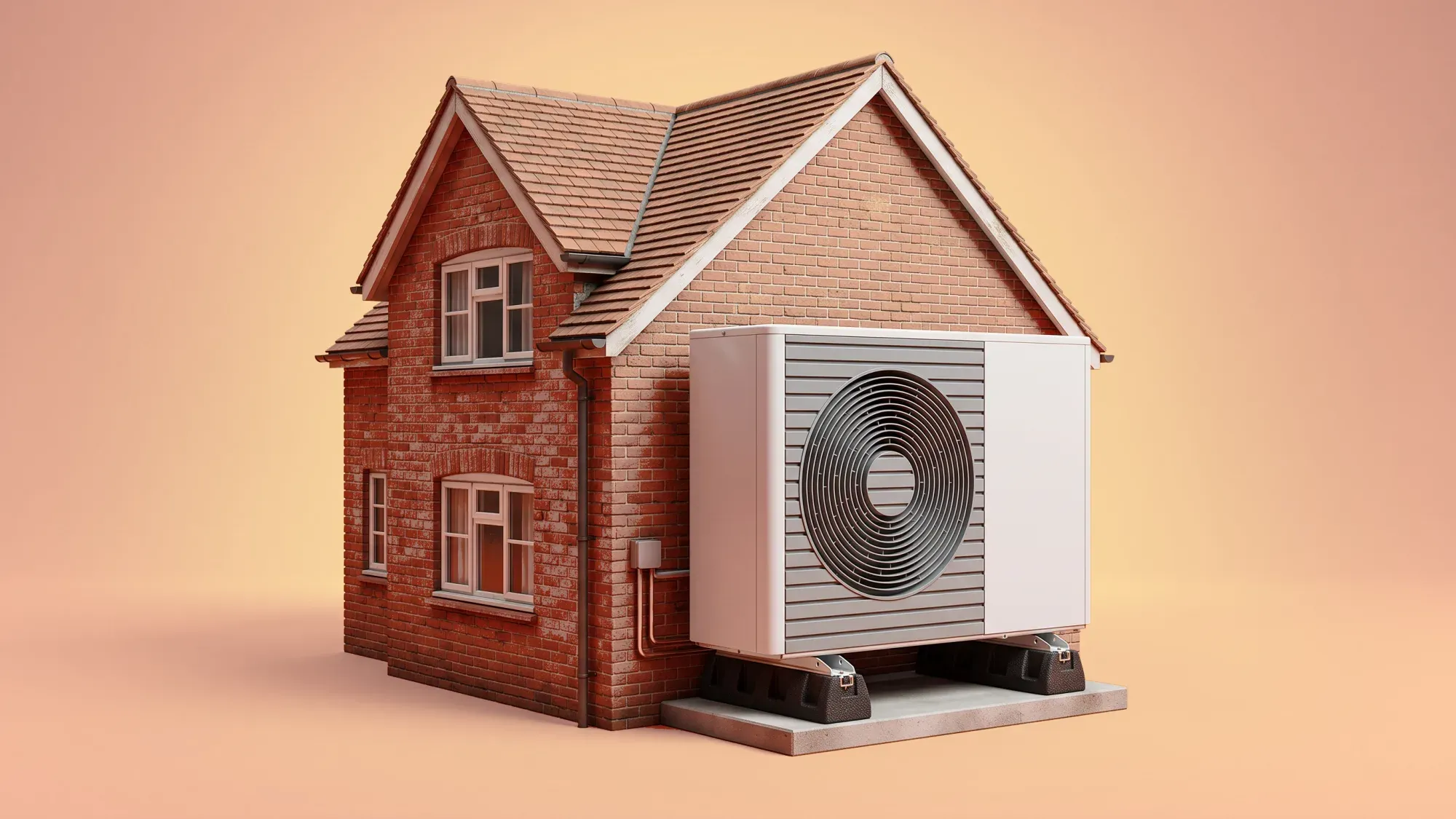
Berkshire, with its mix of historic market towns, bustling urban centres, and picturesque rural landscapes, offers a diverse range of homes. From period properties to modern new-builds, many residents are seeking more sustainable and cost-effective ways to heat their homes. Heat pumps provide a highly efficient, renewable heating solution that can significantly reduce carbon emissions and running costs for homeowners across the county.
Why consider a heat pump for your Berkshire home?
Heat pumps are an increasingly popular choice for homeowners looking to move away from traditional fossil fuel heating systems. They work by extracting heat from the air or ground and transferring it into your home, even in cold weather. This process is far more efficient than burning fuel, making them an environmentally friendly option.
Understanding Berkshire's unique heating needs
Berkshire's varied housing stock means that heating requirements differ significantly from one property to another. Older, less insulated homes will need careful assessment to ensure a heat pump is correctly sized and paired with appropriate insulation upgrades for optimal performance. For rural properties, particularly those not connected to the gas grid, heat pumps can be a transformative solution, offering a cleaner and often cheaper alternative to oil or LPG. Ground source heat pumps, for instance, are highly efficient and reliable, extracting consistent warmth from the ground year-round. You can learn more about the differences between these systems in our guide to air source vs ground source heat pumps.
Environmental and financial benefits
Switching to a heat pump can dramatically lower your home's carbon footprint, contributing to a greener future. Beyond the environmental advantages, homeowners often see a reduction in their energy bills due to the high efficiency of these systems. Heat pumps can produce several units of heat for every unit of electricity consumed, leading to substantial savings over time compared to conventional boilers. For a deeper dive into the benefits, explore whether air source heat pumps are worth it for your home.
Navigating local heat pump installation in Berkshire
Installing a heat pump involves several local considerations unique to Berkshire homeowners, from understanding your property's specific needs to navigating the local energy infrastructure.
Local housing stock considerations
For a heat pump to perform efficiently throughout a typical UK winter, it must be correctly sized for your property and complemented by sensible insulation. This is particularly important in Berkshire, given its mix of older and newer homes. A thorough property assessment is crucial to calculate heating demand and evaluate existing insulation.
The role of Scottish and Southern electricity Networks (SSEN)
Berkshire's local Distribution Network Operator (DNO) is Scottish and Southern Electricity Networks (SSEN). The DNO is responsible for maintaining the electricity cables and power lines that bring electricity to your home. In the event of a power cut, Berkshire residents should dial the free national number 105, which will connect them to their local DNO, SSEN, for assistance.
Berkshire's electricity price cap region
Berkshire falls within the "Southern England" electricity distribution region for Ofgem's price cap. This regional classification directly influences the unit rates and daily standing charges for electricity that residents pay. Ofgem reviews and updates these price caps quarterly, typically on 1 January, 1 April, 1 July, and 1 October.
Grants and funding for heat pumps in England
The upfront cost of installing a heat pump can be a barrier for some, but government grants are available to help make the transition more affordable.
The Boiler Upgrade Scheme (BUS)
The Boiler Upgrade Scheme (BUS), administered by Ofgem, offers a significant financial incentive for homeowners in England and Wales. This scheme provides a grant of £7,500 towards the cost of installing an air source or ground source heat pump. For eligible homes heated by oil or LPG, the grant can increase to £9,000 from 21 July 2026. The grant is applied directly by your installer, reducing the upfront cost you pay.
What is the BUS?
The BUS is a UK government grant designed to help homeowners in England and Wales reduce the upfront cost of installing low-carbon heating systems like heat pumps. Administered by Ofgem, it offers £7,500 towards air source or ground source heat pumps, with an increased £9,000 grant for eligible oil and LPG-heated homes from 21 July 2026.
Finding MCS-certified installers
To qualify for government grants like the BUS, your heat pump installation must be carried out by an MCS-certified installer. MCS certification is a quality assurance standard for renewable energy installers, ensuring that systems are installed to a high standard. When researching installers in Berkshire, always verify their MCS accreditation to ensure eligibility for available funding.
Optimising your heat pump's performance and running costs
Installing a heat pump is a significant step towards a more energy-efficient home, but optimising its performance and running costs requires a holistic approach.
Importance of home insulation
Before installing a heat pump, it is crucial to assess and, if necessary, improve your home's insulation. A well-insulated property retains heat more effectively, allowing the heat pump to operate at its most efficient and preventing unnecessary energy waste. This ensures consistent warmth and helps to keep running costs down.
Smart tariffs and energy management
Once your heat pump is installed, smart energy management becomes key to maximising its efficiency and minimising running costs. This is where Fuse Energy empowers homeowners. Fuse's smart tariffs and intuitive app provide transparent insights and control over your energy consumption, helping you manage your heat pump efficiently. By understanding your usage patterns and taking advantage of smart tariffs, you can optimise when your heat pump operates, potentially leading to lower bills. Fuse also offers 24/7 human customer support for any energy-related queries, providing peace of mind.
Making the switch to a smarter energy future
Transitioning to a heat pump in your Berkshire home is a smart investment in a sustainable and cost-effective future. By understanding the local considerations, leveraging available grants, and choosing MCS-certified installers, you can confidently make the switch.
For the avoidance of doubt, this article is provided for informational purposes only and is not intended to constitute legal or financial advice. The author and/or Fuse Energy shall not be responsible for any losses arising out of any reliance on the information contained herein.