Gas safety certificate: landlord requirements
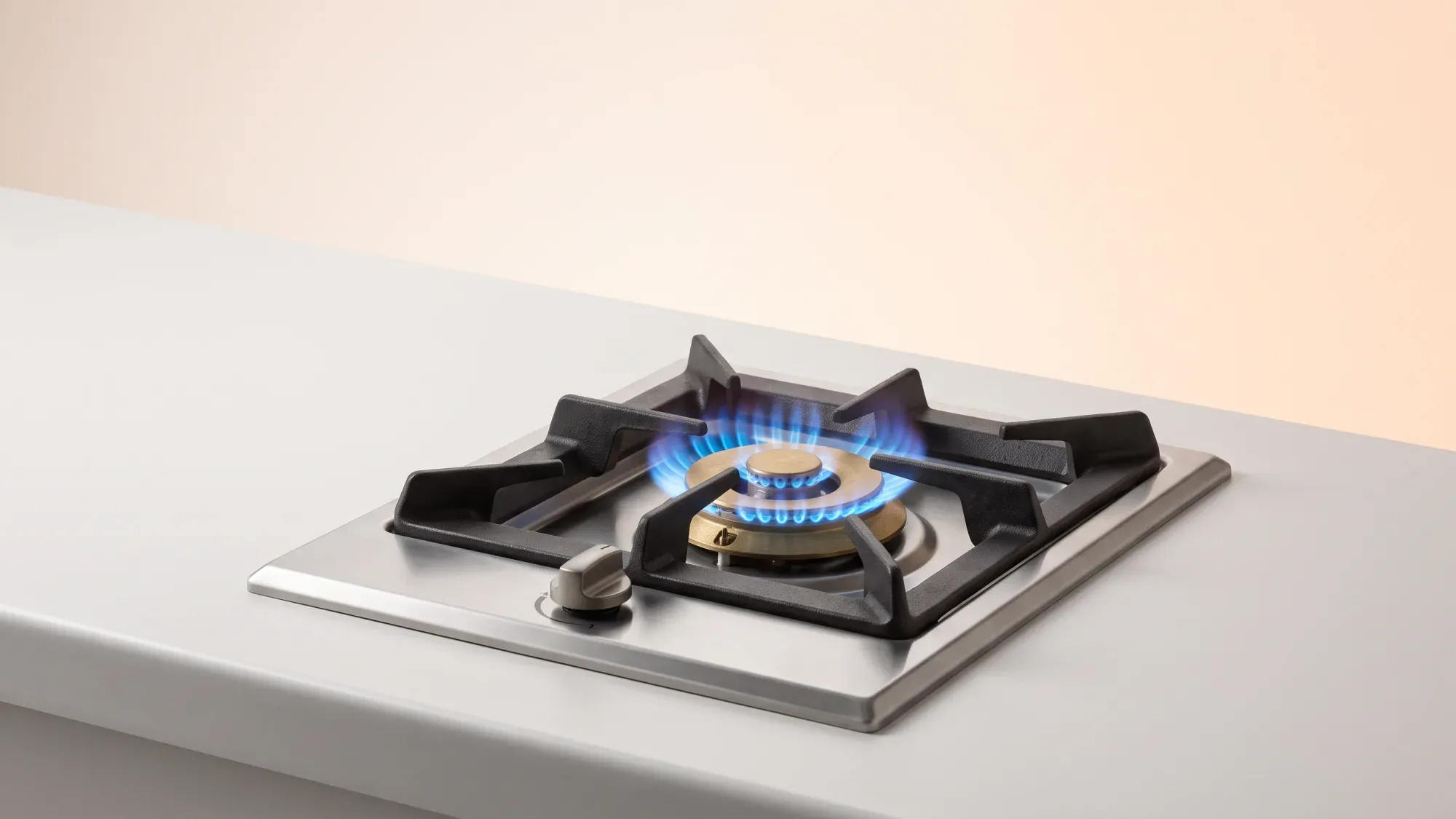
Ensuring tenant safety is a primary responsibility for landlords in the UK. Gas safety is a critical legal and ethical obligation, and understanding the requirements for gas safety certificates is essential for compliance and peace of mind. This guide provides a clear overview of your duties, the inspection process, and best practices for maintaining gas safety in your rental properties.
Managing your home's energy should be straightforward and secure. While Fuse Energy focuses on providing clear, fact-backed information on essential home services, we also offer competitive energy tariffs and smart tools for residential customers. Click here to see how easy it is to switch to Fuse Energy.
Enter your address to get a quote and see how much you could save
What is a gas safety certificate (CP12)?
A Gas Safety Certificate, often called a CP12, is a legal document confirming that all gas appliances and fittings in a rental property have been checked by a qualified engineer and are safe for use. It serves as a vital record of your commitment to tenant safety and regulatory compliance.
Purpose and importance for landlords
The primary purpose of a CP12 certificate is to verify that gas appliances, flues, and pipework within your rental property are in good working order and pose no risk to your tenants. For landlords, this certificate is a legal mandate under the Gas Safety (Installation and Use) Regulations 1998, ensuring you meet your obligations to provide a safe living environment . Failure to comply can lead to severe penalties, including unlimited fines and imprisonment .
What the CP12 certificate covers
The gas safety check covers all gas appliances (such as boilers, cookers, and fires), flues, and pipework owned by the landlord and provided for the tenant's use . The inspection ensures that appliances are operating correctly, flues are clear, and there are no gas leaks . It does not cover appliances owned by the tenant, though advising tenants to have their own appliances checked regularly is good practice .
Your legal obligations as a landlord
As a landlord in the UK, you have clear legal duties regarding gas safety. These obligations are non-negotiable and designed to protect your tenants from the dangers of unsafe gas installations.
The gas safety (installation and use) regulations 1998
The Gas Safety (Installation and Use) Regulations 1998 mandate annual gas safety checks for all rental properties in the UK . These checks must be carried out by an engineer listed on the Gas Safe Register . The certificate issued, the CP12, confirms that these checks have been completed and that the property's gas installations are safe .
Providing certificates to tenants
Once a gas safety check is completed and a valid CP12 certificate issued, you must provide a copy to your tenants . For existing tenants, this must happen within 28 days of the check . For new tenants, a copy of the current certificate must be provided before they move in . This ensures tenants are aware of the safety status of their home .
Record keeping requirements
You are legally required to keep records of all gas safety checks for at least two years . This includes copies of all CP12 certificates issued . Maintaining thorough records is crucial for demonstrating compliance, especially in the event of an incident or regulatory inquiry .
The annual gas safety check process
Understanding the step-by-step process for your annual gas safety check helps ensure a smooth and compliant experience.
Preparing for the inspection
Before the engineer arrives, identify all gas appliances, flues, and pipework in your rental property that require inspection. Ensure clear access to these appliances. Communicating with your tenants to arrange a suitable time for the engineer's visit is also essential .
What happens during the check
During the inspection, a Gas Safe registered engineer will thoroughly examine all gas appliances, flues, and pipework . They will check for gas leaks, ensure proper ventilation, and verify that appliances are burning correctly . The engineer will also assess the safety devices on each appliance to confirm they are functioning as they should.
How long is a gas safety certificate valid?
A gas safety certificate (CP12) is valid for 12 months from the date of issue . Landlords must arrange a new inspection and obtain a fresh certificate annually to maintain continuous compliance with legal requirements .
Understanding your CP12 report
After the inspection, the engineer will issue a CP12 report. This document details the checks performed, any defects found, and confirms the safety status of each appliance . It will also state the date of the inspection and the date by which the next check is due, which is typically 12 months later .
Cost of a gas safety certificate
The cost of a gas safety certificate is a common concern for landlords. While it represents an annual expense, it is a necessary investment in safety and compliance.
Average costs in the UK
The cost for a gas safety certificate (CP12) in the UK can vary significantly . It is advisable to obtain quotes from several Gas Safe registered engineers to get an accurate estimate for your specific property .
Factors influencing the price
Several factors can influence the final price of a gas safety certificate. These include your property's location (prices can be higher in urban areas), the number of gas appliances to be inspected, and the complexity of the installation . Some engineers may offer a discount for multiple properties or for combining the check with a boiler service . Additional gas appliances are often charged at around £10-£15 each .
What's included in the cost
The cost usually covers the visual inspection of all landlord-owned gas appliances, flues, and pipework, performance tests, and the issuance of the CP12 certificate . It typically does not include any repair work or servicing that might be required if an appliance fails the safety check .
Finding a gas safe registered engineer
The most critical step in ensuring gas safety compliance is using a properly qualified engineer.
Why use the gas safe register?
All gas safety checks must be carried out by an engineer listed on the Gas Safe Register . This is a legal requirement . The Gas Safe Register is the official body for gas safety in the UK, ensuring that engineers are qualified and competent to work safely and legally with gas . Using an unregistered engineer is illegal and incredibly dangerous .
Vetting your engineer: key questions
When booking an engineer, ask for their Gas Safe registration number. You can then verify this number directly on the Gas Safe Register website . It is also wise to ask for a clear breakdown of costs and what the inspection will entail. Look for engineers with good local reputations or recommendations.
Ensuring engineer credentials
Always ask to see the engineer's Gas Safe ID card upon arrival . This card confirms their registration and specifies the types of gas work they are qualified to undertake . Never allow work to commence without verifying their credentials.
Common pitfalls and how to avoid them
Landlords often encounter specific challenges when managing gas safety. Being aware of these common pitfalls can help you avoid costly mistakes and ensure continuous compliance.
Expired certificates and penalties
Failing to arrange annual gas safety checks can result in an expired certificate, leaving you non-compliant. There is no grace period for renewing a gas safety certificate; if it expires, you are immediately in breach of the law . Non-compliance with gas safety regulations can lead to severe penalties, including unlimited fines and/or up to two years imprisonment .
What invalidates a gas safety certificate?
A gas safety certificate becomes invalid if any gas appliance or installation covered by the certificate is subsequently altered, repaired, or replaced without a new safety check . It also becomes invalid if the 12-month period since its issue has passed . Any significant changes to the gas system, or the expiry of the certificate, necessitate a new inspection.
Misunderstanding appliance coverage
A common pitfall is misunderstanding which gas appliances and pipework are covered by the annual check. Remember, it covers all gas appliances and fittings that you, as the landlord, provide for your tenants . This includes boilers, gas fires, and gas cookers. Tenant-owned appliances are not your direct responsibility .
Maintaining compliance and tenant well-being
Beyond legal obligations, a proactive approach to gas safety fosters positive tenant relationships and contributes to the overall well-being of your property.
Proactive safety measures
Consider gas safety as an ongoing commitment, not just an annual task. Schedule your annual checks well in advance of the expiry date to avoid any lapses . You can arrange for the check up to two months before the due date while still retaining the original expiry date . Encourage tenants to report any concerns about gas appliances promptly. Installing carbon monoxide alarms, while not part of the CP12 check, is a highly recommended safety measure and legally required in rooms with fixed combustion appliances (excluding gas cookers) .
Digital record keeping best practices
Embrace digital solutions for managing your gas safety certificates. Storing copies of your CP12 certificates and inspection reports digitally allows for easy access, retrieval, and sharing with tenants . Setting digital reminders for upcoming renewal dates can also prevent certificates from expiring inadvertently .
The link between safety and tenant relationships
Prioritising gas safety demonstrates your commitment to your tenants' well-being. This proactive approach builds trust, fosters positive landlord-tenant relationships, and can contribute to longer tenancies and a well-maintained property. It shifts the narrative from mere compliance to a genuine investment in a safe and secure home environment.
Managing your home's energy should be clear and easy to understand. Fuse Energy focuses on straightforward pricing, so you can see exactly what you are paying without unnecessary complexity. If you have a smart meter, you can view detailed usage data through the app or website, helping you understand how you can lower your bills. Our 24/7 human support team is always on hand with fast response times whenever you need help. Click here to switch to Fuse Energy today. Find out about our mission by clicking here.
Disclaimer
For the avoidance of doubt, this article is provided for informational purposes only and is not intended to constitute legal or financial advice. The author and/or Fuse Energy shall not be responsible for any losses arising out of any reliance on the information contained herein.