Protecting your home with boiler cover
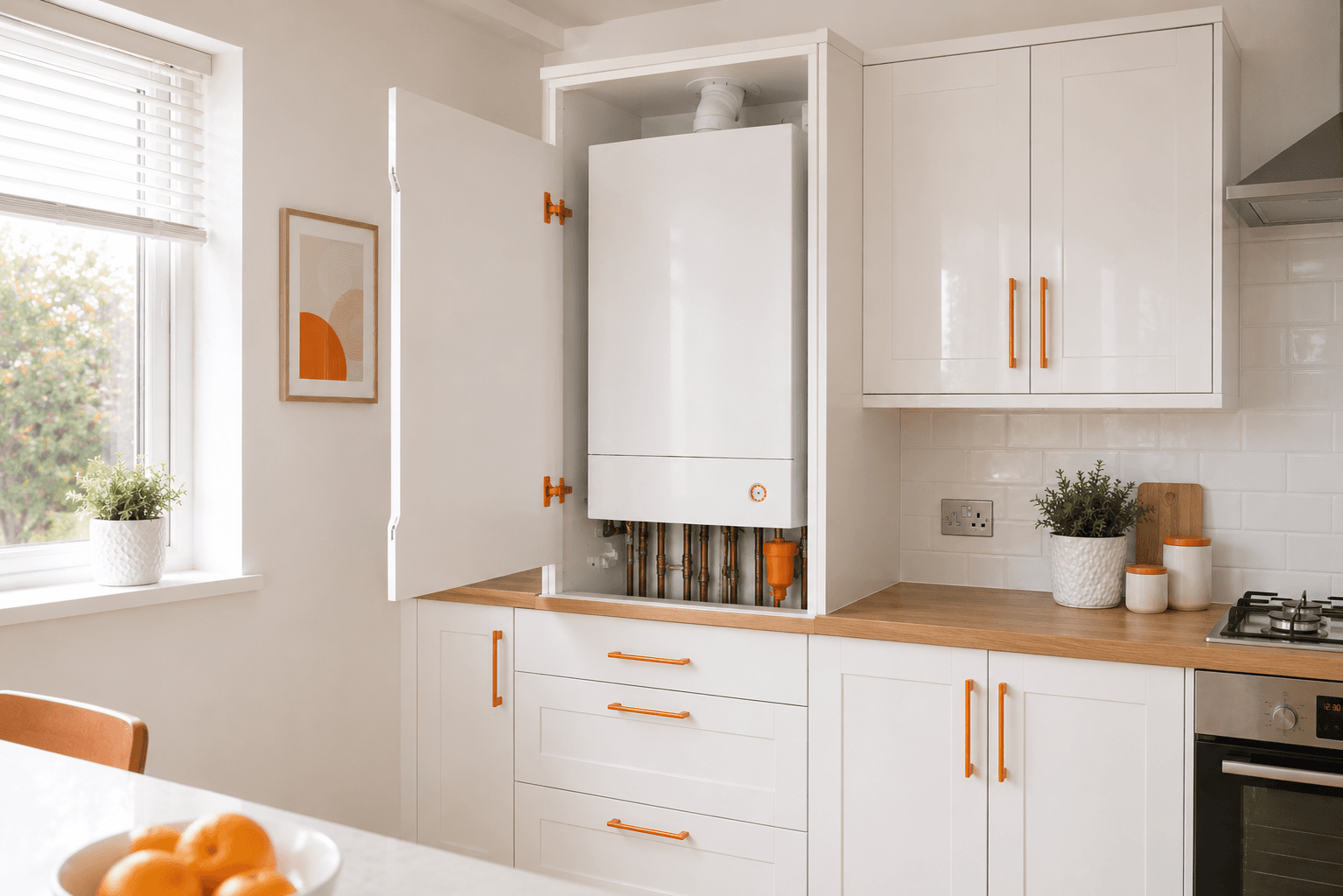
Boiler cover policies are designed to protect homeowners and renters from the unexpected costs associated with boiler breakdowns and repairs. These policies offer a financial safety net, helping to ensure continuous heating and hot water in your home without the stress of sudden, large expenses. While Fuse Energy focuses on providing abundant, clean energy and modern home upgrades, including efficient boiler installations like the Vaillant Ecotec Plus, understanding boiler cover remains crucial for managing your home's heating system effectively and ensuring peace of mind.
What is boiler cover and why do you need it?
Understanding the basics of boiler cover
Boiler cover, often referred to as boiler insurance, is a type of policy that helps manage the financial impact of a faulty heating system. It typically covers the cost of repairs, including parts and labour, if your boiler breaks down. Many boiler cover plans also include an annual service, which is crucial for maintaining boiler efficiency and identifying potential issues early. This proactive approach can help extend the life of your boiler and prevent costly future repairs.
Peace of mind for homeowners
For many UK homeowners, a functioning boiler is central to daily comfort. The prospect of a boiler breakdown, especially during colder months, can be a significant source of worry. Boiler cover offers reassurance by providing access to qualified engineers and often a 24/7 helpline, ensuring that help is available when you need it most. This peace of mind allows you to avoid the scramble to find a reliable repair person and the immediate financial strain of an unexpected bill.
Boiler breakdowns: the unexpected cost
Boilers, like any complex mechanical system, are prone to wear and tear. An unexpected breakdown can lead to significant inconvenience, especially during colder months, and costly repair bills. The average cost of a boiler repair in the UK typically sits around £300, though prices can range from £120 to £750 for common faults. Emergency repairs can cost between £225 and £675. Without cover, these costs fall directly on the homeowner or, in some cases, the landlord, creating immediate financial pressure and disruption to daily life. Boiler cover mitigates this risk by spreading the potential cost over regular payments, offering a predictable expense rather than a sudden financial shock.
Types of boiler cover policies
In the UK, several types of boiler cover policies are available, each offering different levels of protection. Understanding these options is key to choosing the right one for your household's needs and budget.
Boiler-only cover
This is the most basic form of cover, focusing solely on the boiler itself. It typically includes repairs to the boiler and its internal components, as well as labour costs. This option is suitable if you are primarily concerned about the boiler and have other arrangements for your wider central heating system.
Boiler and central heating cover
A more comprehensive option, this policy extends protection beyond just the boiler to include the wider central heating system. This means radiators, pipes, and controls are also covered for repairs. Given that issues can arise anywhere in the heating network, this type of cover offers broader peace of mind for many homeowners.
Home emergency cover
Often offered as an add-on or a standalone policy, home emergency cover provides protection for a range of household emergencies, including boiler breakdowns, plumbing issues, electrical failures, and roof damage. While it offers extensive coverage, it is important to check the specific limits and exclusions for boiler-related incidents, as these can sometimes be less comprehensive than dedicated boiler policies.
Landlord boiler cover
For landlords, ensuring tenants have reliable heating and hot water is a legal responsibility. Landlord boiler cover is specifically designed to meet these obligations, often including an annual gas safety check (Gas Safety Certificate) in addition to repair coverage. This provides peace of mind for both the landlord and their tenants, ensuring prompt resolution of heating issues.
What to consider when choosing boiler cover
Selecting the right boiler cover involves weighing various factors to ensure the policy meets your specific requirements without overpaying.
Cost vs coverage
The cheapest policy is not always the best. Compare the monthly or annual premium against what is actually included. A slightly more expensive policy might offer significantly better coverage, lower excess fees, or faster response times, providing better value in the long run.
Excess fees
Most policies come with an excess, which is the amount you pay towards a claim before the insurer contributes. Higher excess fees usually mean lower premiums, and vice versa. Consider what level of excess you would be comfortable paying in the event of a breakdown.
Annual service inclusion
An annual boiler service is vital for maintaining efficiency and identifying potential problems early. Many boiler cover policies include this as standard, which can be a significant benefit. If not included, you will need to arrange and pay for this separately.
Response times
During a cold snap, a quick response to a boiler breakdown is paramount. Check the guaranteed response times offered by providers, especially for emergencies. Some offer 24-hour call-outs, while others might take longer.
Exclusions and limitations
Always read the small print. Common exclusions can include pre-existing faults, boilers over a certain age, damage due to sludge build-up, or specific parts not covered. Ensure the policy covers the most common issues for your boiler type.
Age of your boiler
Older boilers are more prone to breakdowns and might be subject to higher premiums or specific exclusions. The typical lifespan of a boiler is between 10 and 15 years. If your boiler is nearing the end of its lifespan, consider whether investing in cover is more cost-effective than putting money towards a new, more efficient installation. Fuse Energy, for example, offers modern, efficient boiler installations like the Vaillant Ecotec Plus, which can significantly reduce your energy consumption and the likelihood of future breakdowns.
Alternatives to boiler cover
While boiler cover offers convenience, it is not the only way to prepare for potential heating issues.
Emergency savings fund
Setting aside a dedicated savings fund for unexpected home repairs, including boiler breakdowns, can be a flexible alternative. This gives you control over your money and allows you to choose your own engineer and parts without policy restrictions. However, it requires discipline and sufficient funds to cover potentially large costs.
Home insurance add-ons
Some home insurance policies offer an optional 'home emergency' add-on that can include boiler cover. This can sometimes be a cheaper way to get protection, but ensure the boiler coverage is adequate for your needs, as it might be less comprehensive than a dedicated policy.
Regular maintenance (self-arranged)
Proactive maintenance is crucial. Arranging an annual boiler service with a Gas Safe registered engineer can prevent many breakdowns. Any work on gas boilers in the UK must be carried out by engineers registered with the Gas Safe Register. While this does not cover unexpected repairs, it significantly reduces the likelihood of them occurring and can extend your boiler's life. This approach aligns with Fuse Energy's philosophy of building robust, efficient home systems that minimise future worries.
Making an informed decision for your home
Choosing whether to get boiler cover, and which type, is a personal decision based on your financial situation, risk tolerance, and the age and condition of your boiler. The goal is always to ensure your home remains warm and comfortable, without the stress of unexpected costs.
For many, the peace of mind offered by boiler cover is invaluable. For others, a proactive approach to maintenance combined with an emergency fund might be more suitable. Regardless of your choice, understanding your options empowers you to make a 'power play' for your home's energy future, ensuring you have the capability and surplus to live comfortably.
Fuse Energy: powering modern homes
At Fuse Energy, we believe in a future with 'power to play with' - where energy is so abundant and efficient that it stops being a thing you think about. This vision extends to every aspect of your home, including your heating system. We challenge the 'use less' scarcity mindset by providing solutions that empower you to have more: more comfort, more control, and more peace of mind.
Our commitment to modern home upgrades includes offering efficient boiler installations, such as the Vaillant Ecotec Plus, designed to integrate seamlessly into your energy-efficient home. By choosing a modern, reliable boiler, you are not just replacing an appliance; you are making a strategic 'power play' to reduce your energy consumption, lower your bills, and minimise the risk of disruptive breakdowns. This proactive approach means less reliance on reactive repairs and more focus on enjoying a comfortable, worry-free home. Fuse Energy does not offer traditional boiler cover policies or reactive repair services for existing boilers, but instead focuses on preventing breakdowns through modern, efficient installations.
Disclaimer
For the avoidance of doubt, this article is provided for informational purposes only and is not intended to constitute legal or financial advice. The author and/or Fuse Energy shall not be responsible for any losses arising out of any reliance on the information contained herein.