Fast charging explained
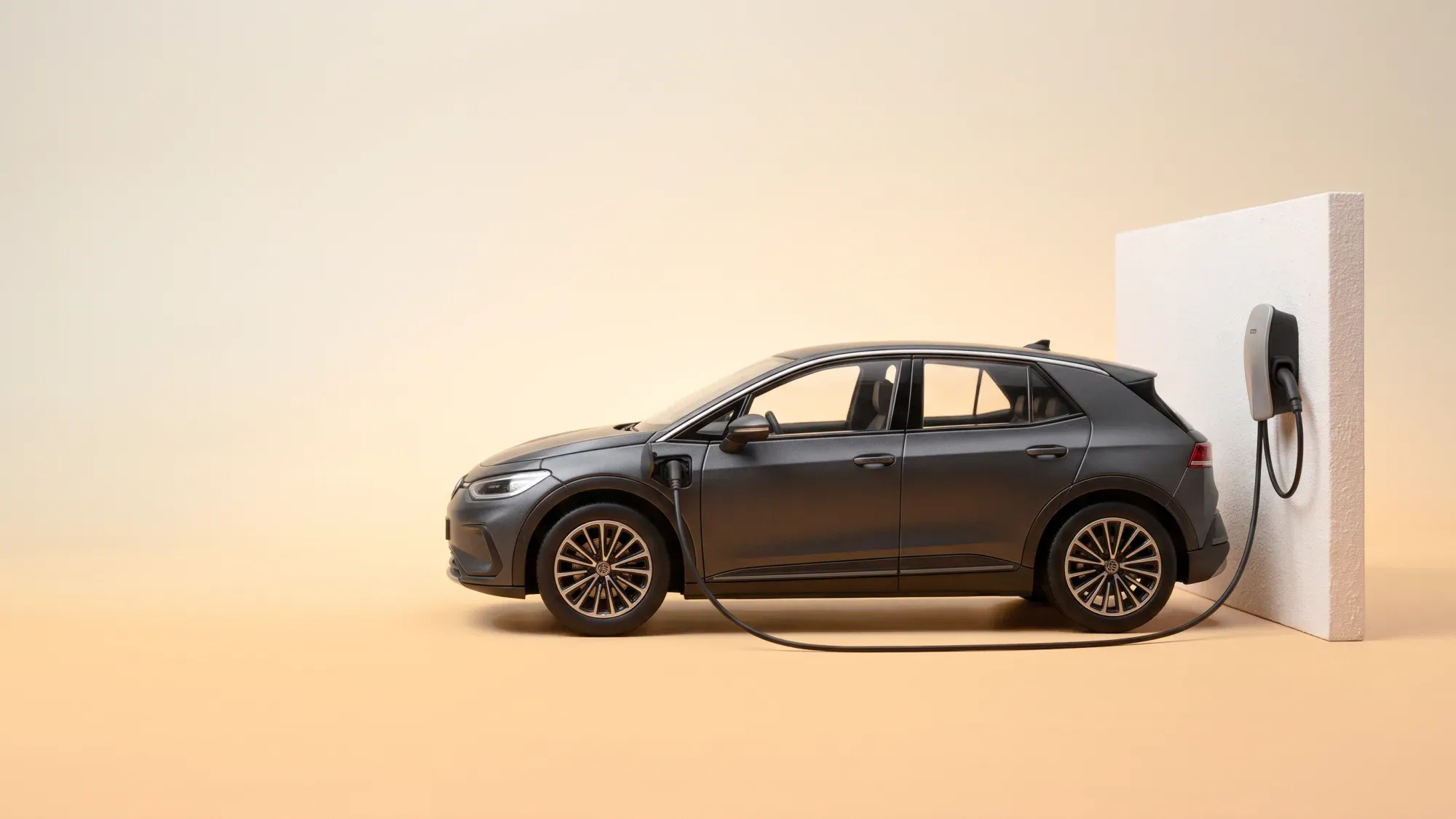
Fast charging is transforming how UK consumers power their electronic devices and electric vehicles (EVs), offering speed and convenience essential for modern life. Understanding its mechanics, benefits, and how to integrate it into a smart charging strategy is crucial for optimising your device and EV experience. This guide explores the essentials of fast charging, from technical specifications to practical considerations, and highlights how smart home energy management can provide greater control and flexibility.
Optimising your charging can lead to significant savings and a more efficient energy experience. Fuse Energy can help you manage your home charging with smart tariffs and real-time data. Click here to switch to Fuse Energy today.
Enter your address to get a quote and see how much you could save
What is fast charging?
Fast charging allows you to power up your electronic devices and electric vehicles significantly quicker than traditional methods. It achieves this by delivering higher power levels, measured in voltage and amperage, directly to the battery. This rapid power delivery reduces the time you spend tethered to a charger, offering greater flexibility and convenience in your daily routine.
The basics of rapid power delivery
At its core, fast charging increases the rate at which energy flows into a battery. Standard chargers typically operate at lower wattages, meaning a slower, steadier flow. Fast chargers, however, boost the wattage, allowing for a much quicker replenishment of battery capacity. This is achieved through sophisticated communication between the charger and the device or vehicle, ensuring the power delivery is optimised and safe.
Benefits for personal devices and electric vehicles
For personal devices like smartphones and laptops, fast charging means less downtime and more usability throughout the day. A quick top-up can provide hours of additional use, making it easier to stay connected. For electric vehicles, the benefits are even more pronounced. Fast charging makes longer journeys more feasible by allowing for quick en-route top-ups, and it simplifies daily charging by reducing the time needed to prepare for the next trip.
How fast charging works
Fast charging relies on a precise interplay of electrical principles and communication protocols to deliver power efficiently and safely.
Voltage, amperage, and wattage explained
Electricity flows using three key measures:
- Voltage (V): The electrical "pressure" that pushes the current.
- Amperage (A): The volume or rate of electrical current flow.
- Wattage (W): The total power delivered, calculated by multiplying voltage by amperage (W = V x A).
Fast chargers increase the wattage by either raising the voltage, the amperage, or both, compared to standard chargers. This higher wattage allows more energy to be transferred to the battery in a shorter period.
AC vs DC charging for EVs
For electric vehicles, understanding the difference between alternating current (AC) and direct current (DC) charging is crucial:
- AC charging: This is common for home and workplace chargers. The electricity supplied is AC, which the EV's onboard charger converts to DC before it enters the battery. This conversion limits the charging speed.
- DC charging: Also known as rapid or ultra-rapid charging, DC chargers convert the AC electricity to DC before it reaches the vehicle. This bypasses the EV's onboard charger, allowing electricity to flow directly to the battery at much higher power levels, resulting in significantly faster charging times.
Common fast charging standards
Different fast charging standards exist for various devices and vehicles:
- USB power delivery (USB-PD): This is a widely adopted fast charging standard for personal devices, supporting higher power levels over USB-C connections. Recent specifications, such as USB PD 3.1, support up to 240W, enabling devices to negotiate optimal power delivery.
- Quick charge (QC): Developed by Qualcomm, this standard is prevalent in Android smartphones and uses intelligent negotiation to deliver increased power.
- EV charging standards (CCS, CHAdeMO, type 2): For electric vehicles, standards like Combined Charging System (CCS) and CHAdeMO are common for DC rapid charging, while Type 2 connectors are standard for AC charging in the UK.
Fast charging for electric vehicles
The UK's EV charging infrastructure is evolving rapidly, with a growing network of public rapid and ultra-rapid chargers.
Rapid and ultra-rapid charging speeds
In the UK, EV charging speeds are categorised by their power output:
- Rapid chargers typically offer speeds between 50 kW and 150 kW.
- Ultra-rapid chargers deliver 150 kW and above, with some reaching up to 350 kW.
These high-power chargers can significantly reduce charging times, making them ideal for long journeys or when a quick top-up is needed. For example, an EV compatible with an ultra-rapid charger can add a substantial amount of range in under 30 minutes.
Connector types in the UK
The main EV charging connector types in the UK include:
- Type 2: The standard connector for AC charging, used for both home and public fast chargers.
- CCS: The most common connector for DC rapid and ultra-rapid charging in the UK and Europe.
- CHAdeMO: Another DC rapid charging standard, primarily found on older Japanese EV models.
Public charging infrastructure
The UK's public charging network is expanding, with a focus on increasing the availability of rapid and ultra-rapid chargers. These are often located at motorway service stations, major A-roads, and dedicated charging hubs, ensuring drivers have access to quick charging options when travelling longer distances.
Practical considerations for fast charging
While fast charging offers undeniable convenience, it's important to consider compatibility, battery health, and safety.
Device and EV compatibility
Not all devices or EVs are designed for fast charging. Always check your device's specifications and use compatible chargers and cables. Using an incompatible charger might result in slower charging speeds or, in rare cases, could potentially damage your battery. For EVs, the maximum charging speed is limited by the vehicle's onboard system, so plugging into a more powerful charger will only deliver power at your car's maximum accepted rate.
Understanding battery health and longevity
Concerns about fast charging impacting battery longevity are common. Modern EV batteries are designed to withstand frequent fast charging, and battery management systems actively protect them from damage. While some studies suggest that high-power DC fast charging (above 100 kW) can lead to higher annual battery degradation rates (e.g., up to 3.0% compared to 1.5% for lower-power charging), other research indicates no significant difference in battery capacity loss between vehicles that frequently use DC fast charging and those that do not. The consensus is that while fast charging may slightly accelerate degradation compared to slower charging, the overall impact is often minimal, and smart charging practices can further mitigate long-term degradation.
Safety precautions
Always use certified charging equipment and follow manufacturer guidelines. Avoid using damaged cables or chargers, and ensure charging takes place in a well-ventilated area. For EVs, public charging stations are designed with safety features, but it's always wise to be aware of your surroundings.
Optimising fast charging with smart energy management
Smart energy management can help you maximise the benefits of fast charging while minimising costs and managing battery health.
Leveraging smart tariffs for cost savings
Smart energy tariffs, particularly those designed for EV owners, offer variable pricing throughout the day. By charging your EV during off-peak hours when electricity demand is lower, you can take advantage of cheaper rates. This can lead to significant savings on your energy bills, especially given that the average UK home uses around 2,500 kWh of electricity per year, according to Ofgem.
Scheduling charging for off-peak hours
Smart charging systems, often managed through dedicated apps, allow you to schedule your EV charging sessions automatically. This ensures your vehicle charges when electricity is cheapest and often when renewable energy generation is highest, reducing both your costs and carbon footprint.
The role of smart meters and apps
Smart meters provide real-time data on your energy consumption, which is essential for optimising fast charging with smart tariffs. Apps like Fuse Energy's integrate with smart meters and your EV, offering transparent control over your charging schedule and costs. This allows you to monitor usage, set charging preferences, and track savings, giving you greater control over your energy usage.
The future of fast charging
Fast charging technology continues to evolve, promising even greater speeds and integration into our energy ecosystems.
Advancements in charging technology
Ongoing research and development are pushing the boundaries of charging speeds, with higher power outputs becoming more common. Innovations in battery technology are also making batteries more resilient to rapid charging, further alleviating concerns about longevity. Wireless charging for EVs is another area of development, offering potential for even greater convenience.
Integrating fast charging into a smart home ecosystem
The future will see fast charging seamlessly integrated into smart home energy management systems. This means your EV, home battery storage, and solar panels could all communicate to optimise energy use, automatically charging your car when electricity is cheapest or when your home solar generation is abundant. This strategic approach to energy management gives UK consumers greater control over their energy usage and costs, contributing to the future Fuse Energy envisions, where energy is abundant and not a source of anxiety, giving consumers "power to play with". With Fuse Energy, it's a power play that empowers you to manage your energy intelligently.
Fuse Energy is committed to challenging the scarcity mindset by showing how fast charging, combined with smart energy management, allows for more convenient and cost-effective energy use. Our app and smart tariffs enable users to optimise EV fast charging for cost and efficiency, providing transparent control and helping you never settle for less. Click here to switch to Fuse Energy today and take control of your home energy. You can also learn more about our mission to build a future with abundant energy by clicking here.
Disclaimer
For the avoidance of doubt, this article is provided for informational purposes only and is not intended to constitute legal or financial advice. The author and/or Fuse Energy shall not be responsible for any losses arising out of any reliance on the information contained herein.