EV charger types: slow, fast and rapid explained
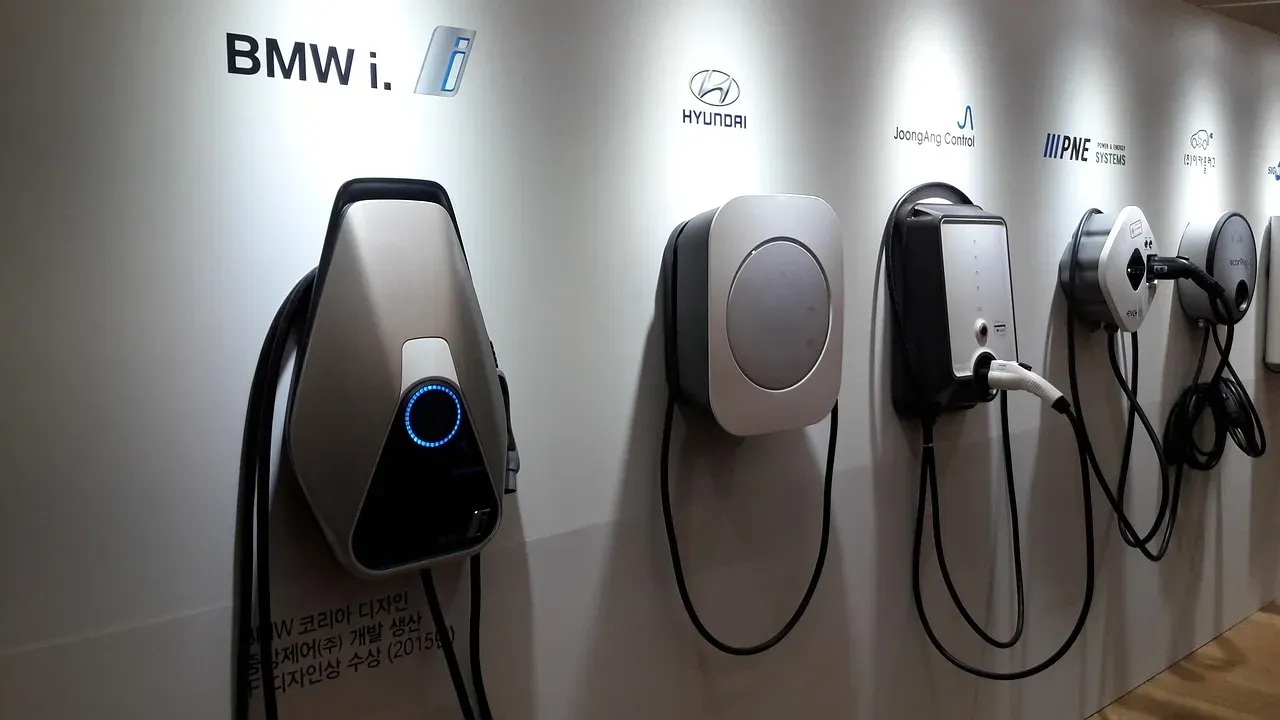
Navigating the world of electric vehicle (EV) charging can feel complex, but understanding the different EV charger types available in the UK is crucial for every EV owner and prospective buyer. From the speed of charge to the various connector types, this guide will demystify the options, helping you choose the right solution for your home and on the go.
Powering your electric vehicle efficiently starts with understanding the charging landscape. With Fuse Energy, you get clear pricing, real-time usage data, 24/7 human customer support, and a modern energy experience designed around you. Switching takes as little as 3 minutes, so you can take control of your bills from day one. Click here to switch to Fuse Energy today and start saving.
Key EV charger types and how they work
Electric vehicle charging is categorised primarily by speed and connector type. Knowing these distinctions is key to efficient and compatible charging.
Slow, fast, and rapid EV chargers: what's the difference?
The speed of an EV charger is measured in kilowatts (kW) and dictates how quickly your car's battery will replenish.
- Slow chargers (typically 3.6kW): These are often found as standard 3-pin plug chargers or older dedicated units. They're best suited for overnight charging at home, taking 8-12 hours or more for a full charge, depending on your EV's battery size. While slow, they're reliable for daily top-ups.
- Fast chargers (typically 7kW or 22kW): The most common Type 2 EV charger for home installation, a 7kW fast charger can fully charge an average EV in 4-6 hours. Public fast chargers can also be 22kW, significantly reducing charging times, especially if your car can accept this higher power. These are ideal for longer stops or workplace charging.
- Rapid chargers (typically 50kW+): These are predominantly found at public charging stations and motorways. Rapid chargers use direct current (DC) to deliver power quickly, often providing 80% charge in 20-60 minutes. They're perfect for long journeys when you need a quick boost.
EV charger connector types: Type 1, Type 2, CCS, and CHAdeMO explained
Just like fuel nozzles, EV chargers have different connectors. Compatibility is vital for your EV car charger types.
- Type 1: An older, single-phase connector primarily found on some Japanese and American EVs. It has a 5-pin design and is less common on newer models in the UK.
- Type 2: This is the standard 7-pin connector for alternating current (AC) charging across the UK and Europe. Most new EVs sold in the UK feature a Type 2 inlet. Your Type 2 EV home charger will use this, and public AC charge points will also have a Type 2 EV charger cable or socket.
- CCS (Combined Charging System): The most prevalent rapid charging standard in the UK and Europe. CCS combines the Type 2 AC inlet with two additional pins for DC rapid charging, making it versatile. Most new rapid chargers will offer a CCS connector.
- CHAdeMO: An older rapid charging standard, mainly used by Japanese manufacturers like Nissan and Mitsubishi. While still available at many public rapid charging stations, its prevalence is declining in favour of CCS.
Understanding these EV charger connector types ensures you can always plug in and power up.
Choosing the right EV charger for your UK home
Deciding on the best home charging solution involves considering your daily driving habits, property, and available grants.
Home EV charger installation, safety, and OZEV grants
Installing a dedicated home EV charger is the most convenient way to keep your EV topped up. Fuse Energy offers the Easee One 7.4 kW EV charger, including installation, for a base cost of £899. This covers full installation (up to 15m of cabling), surge protection, and a 3-year warranty.
Here's what to consider:
- Assess your needs: A 7kW Type 2 EV home charger is typically sufficient for most households, allowing for overnight charging.
- Electrical survey: A qualified electrician will need to assess your home's electrical supply to ensure it can safely support an EV charger.
- Professional installation: Always use an OZEV-approved installer. Fuse Energy is an OZEV (Office for Zero Emission Vehicles) approved and NAPIT-certified installer, ensuring safety and compliance with UK electrical regulations.
- OZEV grants: The UK government offers the EV Chargepoint Grant to help with the cost of installing a smart home charge point. This grant can provide up to £350 off the cost of purchase and installation, or £500 from April 1, 20261. Eligibility criteria apply, primarily for homeowners living in flats or those in rented properties with dedicated off-street parking.
Safety is paramount; professional installation guarantees your charger meets all necessary standards.
Benefits of smart EV charging for UK households
Smart chargers offer more than just a power socket. They connect to your home's Wi-Fi, allowing for:
- Scheduled charging: Take advantage of cheaper off-peak electricity tariffs by scheduling your charging sessions. With a compatible charger connected to your Fuse Energy account and linked to your supply, you can automate off-peak charging on our off-peak tariff.
- Remote control: Start, stop, or monitor your charging from a smartphone app.
- Energy management: Some smart chargers can integrate with solar panels or home energy management systems, optimising when your car charges based on renewable generation or household demand.
These features can significantly reduce your running costs and carbon footprint.
Public EV charging networks in the UK
When you're out and about, the UK boasts a growing network of public charge points. Major networks include BP Pulse, Shell Recharge, Pod Point, Tesla Supercharger, Instavolt, GRIDSERVE, Zap-Map, GeniePoint, and Be.EV. Each network has its own app or radio-frequency identification (RFID) card for access and payment, with some also offering contactless payment. Planning your route and knowing which types of EV chargers are available at your destination will make public charging seamless.
Powering your EV with Fuse Energy: your electricity supplier
Fuse Energy plays a fundamental role in powering your electric vehicle. We offer the Easee One EV charger, including installation, and are an OZEV-approved installer. With a dual-rate compatible meter you can switch to our off-peak tariff, which offers lower off-peak rates during a 7-hour window from 12:30am to 7:30am, applying to your entire household usage during that window. Connecting a compatible charger to your Fuse account then lets you automate your charging to those off-peak hours. By understanding your overall energy consumption, including your EV charging, Fuse Energy helps you manage your electricity usage and costs effectively, ensuring you have a clear picture of how you're powering your journey.
Take the stress out of managing your energy and EV charging. With Fuse Energy, you get clear pricing, real-time usage data (with a smart meter), and a modern energy experience designed around you. Switching takes as little as 3 minutes, so you can take control of your bills from day one. Click here to switch to Fuse Energy today and start saving. Find out about our mission by clicking here.
References
- ChargedEV. OZEV EV Chargepoint Grant: A complete guide.
Disclaimer
For the avoidance of doubt, this article is provided for informational purposes only and is not intended to constitute legal or financial advice. The author and/or Fuse Energy shall not be responsible for any losses arising out of any reliance on the information contained herein.