EV charger installation in Sussex
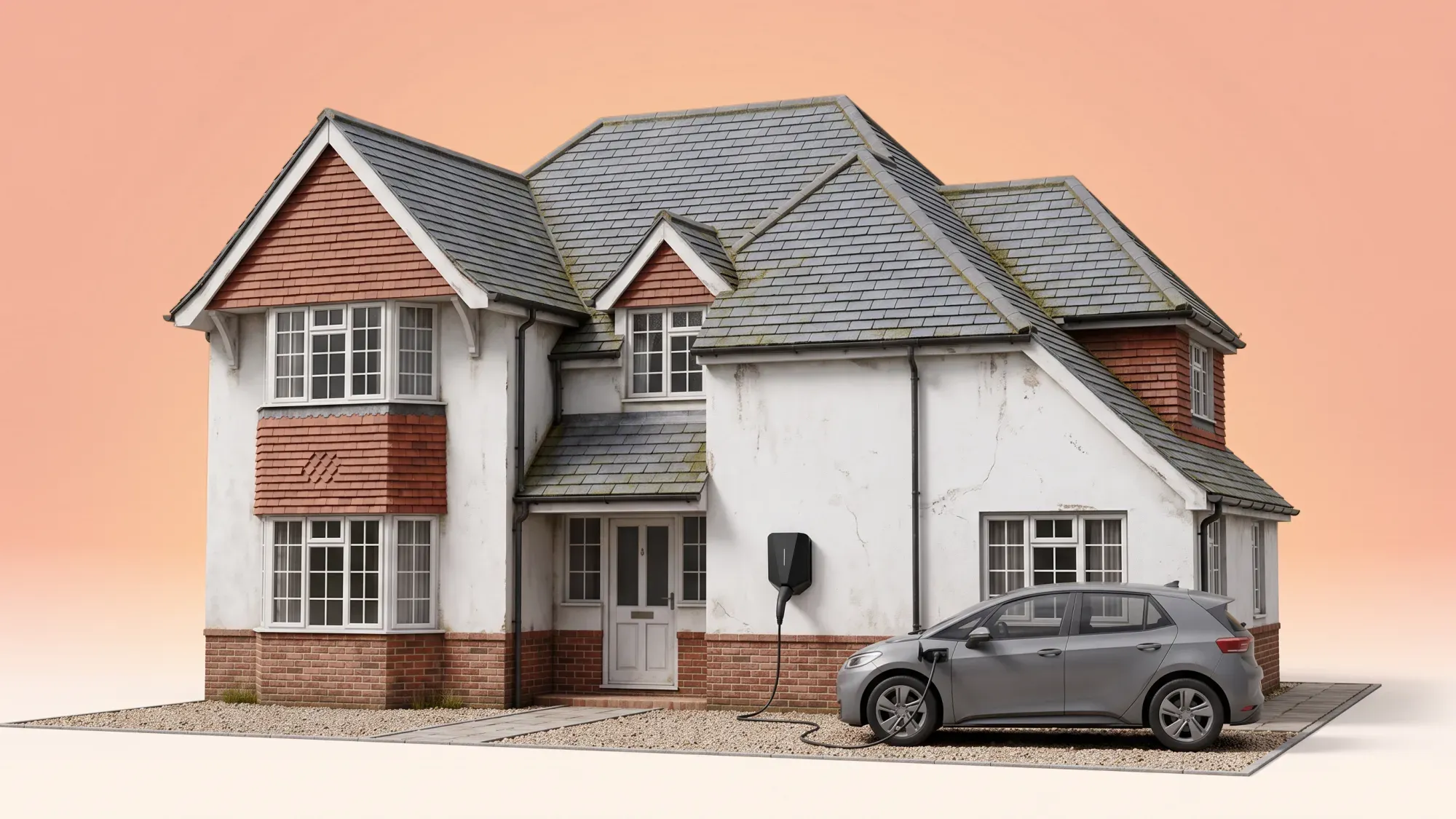
Installing an EV charger at home in Sussex offers a blend of convenience and cost savings, transforming how you power your electric vehicle. From the bustling coastal towns like Brighton and Worthing to the tranquil villages nestled in the South Downs, Sussex boasts a diverse housing stock, including Victorian terraces, modern new-builds, and rural properties. This variety means that while the benefits of home charging are universal, the installation process requires a local understanding to navigate everything from property suitability to grid connections.
Why install an EV charger at home in Sussex?
Bringing EV charging home means reclaiming time and potentially reducing your running costs. No more detours to public charging stations or waiting in queues; your car charges while you sleep or work.
Convenience and cost savings
Charging your EV at home offers unparalleled convenience. You simply plug in overnight, waking up to a fully charged vehicle ready for your daily commute or a scenic drive along the Sussex coastline. Beyond convenience, home charging can significantly cut your fuel expenses. While public charging costs can vary, charging at home, especially during off-peak hours with a smart tariff, is often more economical.
The environmental impact
Choosing an electric vehicle already contributes to cleaner air, and home charging further supports this. By optimising your charging times, you can often draw power when renewable energy generation is high, reducing your carbon footprint. This aligns with Sussex's natural beauty, from the South Downs National Park to its protected coastlines.
Understanding EV charger types for Sussex homes
Selecting the right EV charger for your Sussex home depends on your vehicle, property, and charging habits.
Tethered versus untethered chargers
Tethered chargers come with a cable permanently attached, offering convenience as you do not need to retrieve your car's charging cable each time. Untethered chargers, on the other hand, require you to use your vehicle's portable charging cable, providing flexibility if you own multiple EVs with different socket types or prefer a tidier look when not in use.
Smart charging capabilities
Smart chargers are essential for optimising your home charging experience. They connect to your home's Wi-Fi, allowing you to schedule charging sessions, monitor energy consumption, and even integrate with smart energy tariffs. This means you can automatically charge your EV when electricity is cheapest, often overnight, or when renewable energy is abundant.
Power ratings and charging speed
Home EV chargers come in various power ratings. Fuse Energy, for example, offers the Easee One charger, which has a 7.4 kW rating, providing a good balance between charging speed and home electrical system compatibility. Faster chargers are available but often require a three-phase electricity supply, which is uncommon in most UK residential properties. Understanding the different types can help you pick the right home EV charger for your needs.
The EV charger installation process in Sussex
Installing an EV charger involves several steps, ensuring safety and compliance with local regulations.
Initial assessment and site survey
Before any installation, a qualified installer will conduct an initial assessment and site survey of your Sussex property. This involves checking your home's electrical system, assessing parking arrangements, and identifying the best location for the chargepoint. They will confirm your electrical capacity can handle the new load and advise on any necessary upgrades. For more details on the process, you can explore our guide to EV charger installation.
The role of UK Power Networks (DNO)
Sussex falls within the operating area of UK Power Networks, your local Distribution Network Operator (DNO). The DNO manages the local electricity grid infrastructure. For any new home EV charger connection, UK Power Networks must be notified under the ENA connect-and-notify or apply-to-connect process. This notification ensures that your new charger will not negatively impact the stability or safety of the local electricity network. Your OZEV-approved installer will guide you through the necessary ENA connect-and-notify paperwork and liaison with UK Power Networks.
What is the ENA connect-and-notify process for EV chargers?
The connect-and-notify process is a regulatory requirement for connecting new electricity-generating or high-demand devices, like EV chargers, to the National Grid. It ensures the installation is safe and will not overload the local network. For homeowners in Sussex, this involves notifying UK Power Networks, a task usually managed by your certified EV charger installer.
Installation and testing
Once all approvals are in place, your chosen installer will proceed with the physical installation of the chargepoint. This includes mounting the unit, running the necessary cabling, and making the electrical connections. After installation, the charger will be thoroughly tested to ensure it operates safely and correctly, and you will be provided with instructions on its use.
Grants and funding for Sussex EV owners
Government grants can help reduce the upfront cost of installing an EV charger, making the transition to electric driving more accessible for Sussex residents.
OZEV EV Chargepoint Grant eligibility
The EV Chargepoint Grant for renters and flat owners provides up to £500 towards installing a chargepoint at the property1. This grant is specifically available for those who own and live in a flat, or rent any residential property, provided they have private off-street parking. It is important to note that owner-occupiers in a house with private off-street parking are not eligible for this domestic grant. The customer must apply for the grant themselves via the GOV.UK website; the installer's role begins after the application is approved.
Choosing an EV charger installer in Sussex
Selecting the right installer is key to a smooth and safe EV charger installation.
OZEV approved installers
To be eligible for any government grants, your EV charger must be installed by an OZEV-approved installer. These installers meet specific standards and are authorised to carry out grant-funded installations. Always verify an installer's OZEV accreditation before proceeding.
Local expertise and reputation
Choosing an installer with local experience in Sussex can be beneficial. They will be familiar with the nuances of properties in the area, from historic homes to modern developments, and understand the local grid requirements of UK Power Networks. Look for installers with strong local reviews and a proven track record.
Warranty and aftercare
A reputable installer will offer a warranty on both the chargepoint itself and their installation work. Good aftercare support is also important, ensuring you have assistance if any issues arise with your new EV charger.
Optimising your EV charging in Sussex
Making the most of your home EV charger involves understanding your electricity tariff and integrating smart technology.
Understanding electricity pricing
Ofgem sets regional electricity price caps quarterly (1 January, 1 April, 1 July, 1 October), which directly impacts the unit rates and standing charges you pay for electricity. Understanding these variations is crucial for calculating your charging costs. While the price cap limits standard variable tariffs, smart EV tariffs can offer cheaper rates during off-peak hours, providing more control over your charging expenses.
Integrating smart charging with home energy
Smart charging goes beyond simply scheduling your EV to charge overnight. It allows your charger to communicate with your home energy system and even the grid, optimising when and how your car charges. This can include charging when electricity prices are lowest, when renewable energy generation is high, or even balancing the load with other home appliances to avoid peak demand charges. Integrating smart charging into your home energy management gives you "power to play with," turning your EV into a flexible asset.
Future-proofing your home
As EV technology evolves, so too will charging solutions. When installing your charger, consider future-proofing your home by choosing a smart charger that can adapt to new tariffs and energy management systems. This strategic move ensures your home remains energy-independent and cost-optimised for years to come.
References
- UK Government. Electric vehicle chargepoint grants
Disclaimer
For the avoidance of doubt, this article is provided for informational purposes only and is not intended to constitute legal or financial advice. The author and/or Fuse Energy shall not be responsible for any losses arising out of any reliance on the information contained herein.