EV charger installation Slough: your guide
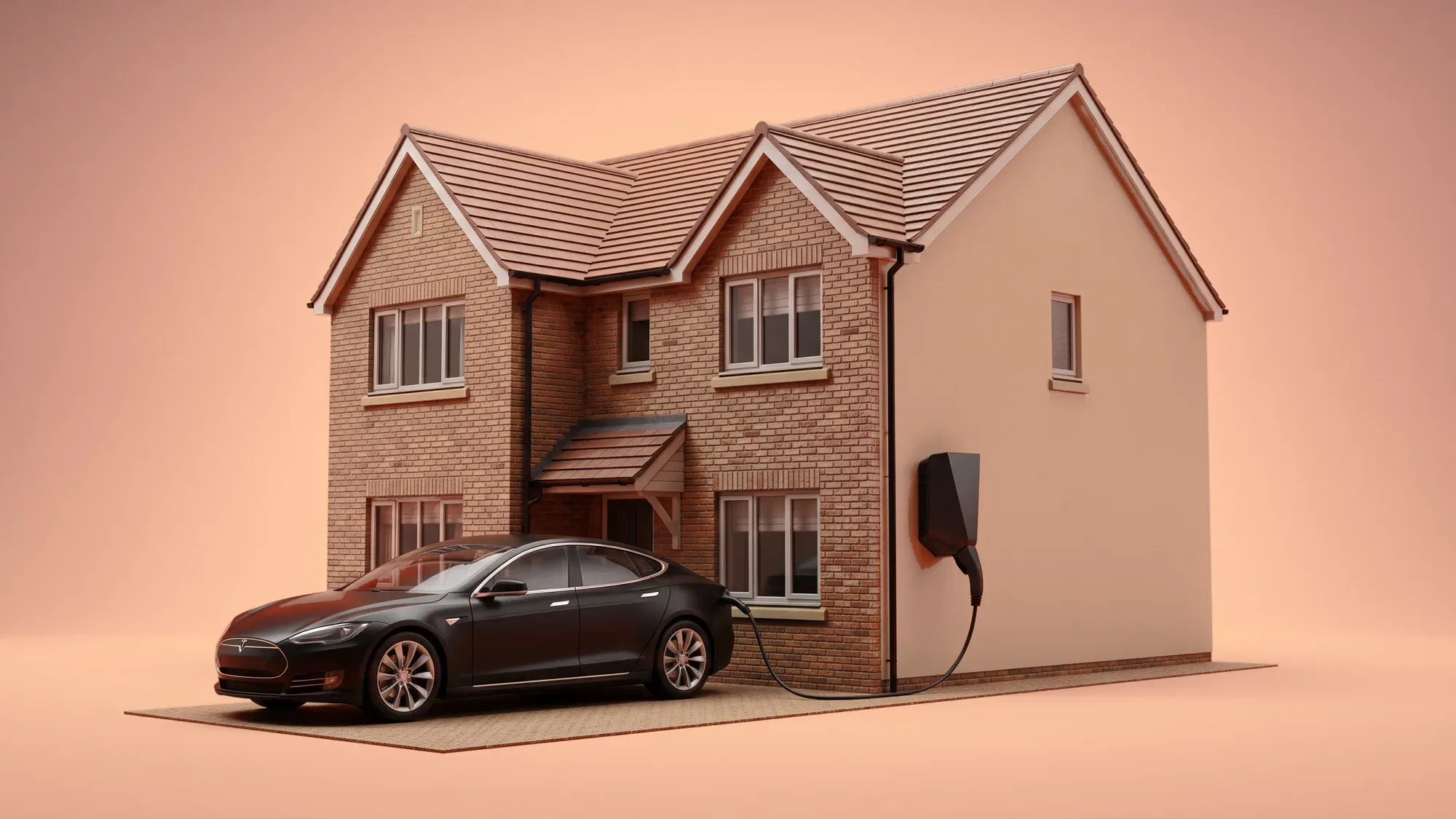
For residents in Slough, installing a home electric vehicle (EV) charger is a practical step towards sustainable transport, offering both convenience and potential cost savings. Slough's blend of established terraced housing and modern developments, coupled with its busy commuter routes, means that home EV charging offers a significant advantage for local residents. This guide aims to simplify the process, providing advice to help you navigate installation, understand available grants, and integrate your new charger seamlessly with your home energy supply.
Home EV charging in Slough: a local perspective
Home charging offers unparalleled convenience, allowing you to power up your electric vehicle overnight and wake up to a full charge every day. For Slough's busy commuters and families, this means avoiding public charging queues and often benefiting from cheaper overnight electricity rates.
Slough's unique context for EV owners
Slough's strategic location and diverse residential areas present distinct considerations for EV charger installation. Any new EV charger installation typically requires notification to your local Distribution Network Operator (DNO) to ensure the safety and stability of the electricity grid. You can identify your local DNO using the Energy Networks Association (ENA) "Find my network operator" tool.
Benefits of charging your electric vehicle at home
Charging your EV at home provides a level of convenience unmatched by public charging. You can schedule charging sessions to take advantage of off-peak electricity tariffs, which are often cheaper, directly from your driveway or garage. This eliminates the need to search for available public chargepoints, wait in queues, or factor in charging stops during your daily routine. Over time, these savings and the added convenience contribute significantly to the overall appeal of EV ownership.
Navigating EV charger grants and local schemes
Government support can significantly reduce the upfront cost of installing a home EV charger. Understanding the available grants is a key step for Slough residents.
EV Chargepoint Grant for renters and flat owners
The EV Chargepoint Grant for renters and flat owners is a government scheme designed to support the uptake of electric vehicles by making home charging more accessible.1 This grant covers up to £500 towards the cost of a home EV charger installation for eligible flat owner-occupiers and people in rental accommodation across the UK. Eligibility requires that you own and live in a flat, or rent any residential property, and have private off-street parking. It is crucial to check the specific criteria on the government's website before proceeding with any installation, as the customer applies for the grant themselves via GOV.UK.
Who is eligible for the OZEV EV chargepoint grant?
The EV Chargepoint Grant for renters and flat owners is available to eligible flat owner-occupiers and people in rental accommodation across the UK. It provides up to £500 towards the cost of purchasing and installing a home EV chargepoint. Eligibility depends on meeting specific criteria related to your property type, vehicle ownership, and having private off-street parking.
On-street charging options
For Slough residents who do not have off-street parking, on-street charging options are becoming increasingly important. The EV Chargepoint Grant for households with on-street parking provides up to £500 towards installing a chargepoint at the property, provided a cross-pavement solution (such as a charging gully) is installed. This initiative aims to ensure that residents without driveways or garages still have access to convenient charging facilities, helping to make EV ownership viable for a wider range of households in areas like Slough.
The home EV charger installation process in Slough
Installing an EV charger involves several steps, from selecting the right equipment to ensuring compliance with local regulations. You can learn more about the overall process in our guide to EV charger installation.
Finding an OZEV-approved installer
The first step is to find a qualified and OZEV (Office for Zero Emission Vehicles) approved installer. OZEV-approved installers are certified to carry out installations safely and to the required standards. While they can offer guidance, remember that for domestic schemes, the customer applies for the grant themselves via GOV.UK, and the installer's role begins after the application is approved.
Understanding DNO notification
New home EV charger installations are significant electrical installations and often require notification to your local DNO. This notification is a regulatory requirement that ensures the safety and stability of the local electricity grid. Reputable installers will manage this DNO notification process on your behalf. If you experience a power cut, you would typically dial the free national number 105, which routes directly to your DNO. You can also use the ENA tool to find your network operator.
Choosing the right EV charger for your needs
Selecting an EV charger involves considering factors such as charging speed, cable type (tethered or untethered), and smart features. Many home chargers offer 7.4 kW charging, which is suitable for overnight charging for the majority of EVs. For example, the Fuse-installed Easee One charger offers 7.4 kW charging. Smart chargers, which can connect to your home's Wi-Fi, offer additional benefits like scheduled charging and energy monitoring. Consider your daily driving habits, your vehicle's charging capacity, and your future energy management goals when making your choice. Our guide on how to pick the right home EV charger can help.
Maximising savings with smart EV charging
Beyond the initial installation, optimising your EV charging can lead to significant long-term savings on your electricity bills.
Electricity costs and your bills
The cost of electricity can vary depending on your location within the UK. Understanding how these factors influence your energy bills is important, especially when considering tariffs designed for EV owners.
How smart charging optimises costs
Smart charging allows your EV charger to communicate with your energy supplier and adjust charging times based on electricity prices or grid demand. By scheduling your charging sessions during off-peak hours, when electricity is typically cheaper, you can significantly reduce the cost of powering your electric vehicle. Integrating your EV charger with smart energy management systems provides transparency and control over your energy usage, helping you to make informed decisions and optimise your overall home energy consumption for maximum savings.
Making the switch to electric in Slough
Embracing an electric vehicle and installing a home charger is a forward-thinking decision for Slough residents. By understanding the local context, leveraging available grants, and optimising your charging with smart technology, you can enjoy the full benefits of EV ownership.
References
- UK Government. Electric vehicle chargepoint grants
Disclaimer
For the avoidance of doubt, this article is provided for informational purposes only and is not intended to constitute legal or financial advice. The author and/or Fuse Energy shall not be responsible for any losses arising out of any reliance on the information contained herein.