EV charger installation on the Isle of Wight
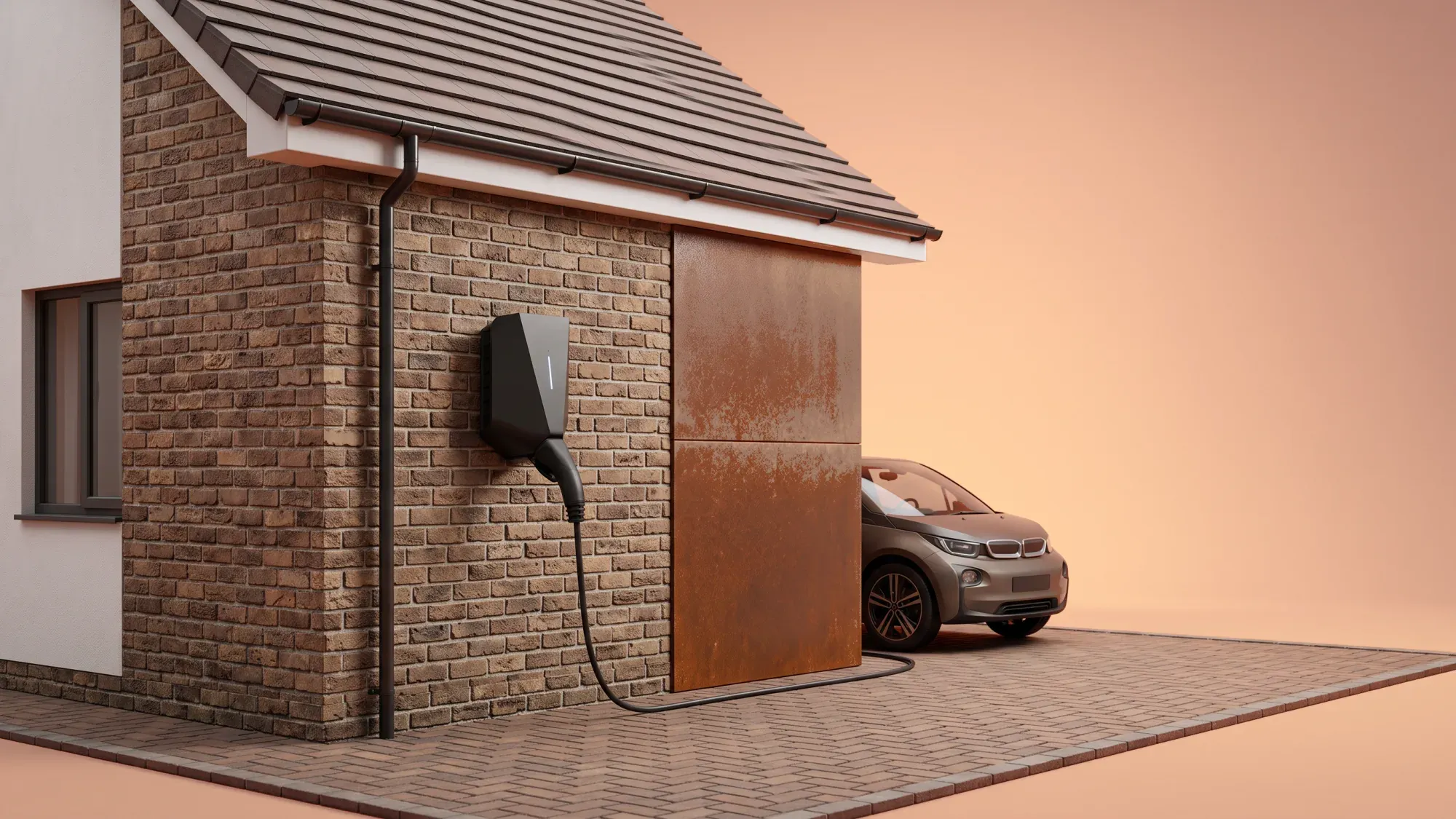
Installing an electric vehicle (EV) charger at home on the Isle of Wight offers unparalleled convenience and control, transforming how you power your vehicle. For island residents, where coastal living and a strong sense of community define daily life, reliable home charging means less reliance on public infrastructure and more freedom to explore the island's unique landscapes and charming towns. This convenience is particularly valuable for those living in more remote island locations.
Why install an EV charger for island life?
Convenience for island living
The Isle of Wight's distinct geography and seasonal tourism mean that public charging infrastructure can sometimes be stretched or less accessible than on the mainland. Having a dedicated EV chargepoint at home eliminates the need to search for available public chargers, queue, or worry about charging speeds. It allows you to simply plug in overnight and wake up to a fully charged vehicle, ready for island commutes, trips to the beach, or exploring the Area of Outstanding Natural Beauty.
Boosting property value and appeal
As EV adoption continues to grow, a home EV charger is becoming an increasingly desirable feature for properties on the Isle of Wight. For homeowners, it can enhance your property's market value and appeal to prospective buyers who already own an EV or plan to purchase one. For holiday let owners and Airbnb hosts on the island, offering an EV charger can attract a wider range of guests, providing a significant competitive advantage and adding to the overall guest experience.
The Isle of Wight's energy landscape for EV owners
Understanding your local DNO: SSEN
The Isle of Wight falls under the operational area of Scottish and Southern Electricity Networks (SSEN) as its Distribution Network Operator (DNO). You can find your specific network operator by postcode using the Energy Networks Association (ENA) 'Find my network operator' tool. SSEN is responsible for maintaining and upgrading the electricity network that delivers power to your home. This is crucial for EV charger installations, as any new connection to the grid requires notification to the DNO. In the event of a power cut, Isle of Wight residents should dial the free national number 105, which will connect them directly to their DNO for assistance.
Regional electricity pricing explained
The Isle of Wight is located within the 'Southern England' electricity distribution region, which influences your energy costs. Ofgem, the energy regulator, sets a price cap that includes regional variations for electricity distribution, affecting both unit rates and daily standing charges. This means that the cost of electricity per kilowatt-hour (kWh) and the fixed daily charge can differ from other parts of the UK. Understanding this regional pricing is key to optimising your EV charging costs, especially when using smart tariffs.
Navigating the EV charger installation process
Choosing the right charger and installer
Selecting an EV charger involves considering your vehicle's charging speed, your home's electrical capacity, and smart features. To help you pick the right home EV charger, it's essential to choose a certified installer with experience working on the Isle of Wight, ensuring they are familiar with local regulations and SSEN's requirements. Always obtain detailed quotes from multiple local installers to compare costs and services.
The DNO notification to SSEN
A critical step for new home EV charger installations on the Isle of Wight is the notification to SSEN (the DNO) under the ENA connect-and-notify or apply-to-connect process. This regulatory requirement ensures that the local electricity network can safely accommodate your new charger without causing stability issues. Your chosen installer should handle this notification process on your behalf, submitting the necessary paperwork to SSEN before or immediately after your charger is installed. This ensures compliance and avoids potential delays or issues with your electricity supply.
What is the DNO notification?
The DNO notifications is a regulatory process that informs your local DNO, such as SSEN on the Isle of Wight, about new electricity-generating or consuming equipment connected to the grid. It ensures the network can safely handle the additional load from your EV charger, and your installer typically manages this on your behalf.
What to expect during installation
Once you have chosen your charger and installer, they will schedule the installation. This typically involves a site survey to assess your property's electrical system, followed by the physical installation of the chargepoint, wiring, and connection to your consumer unit. The installer will then test the system, provide you with all necessary certifications, and explain how to use your new charger. They should also confirm that the DNO notifications to SSEN has been completed.
Grants and funding for Isle of Wight residents
OZEV EV chargepoint grant eligibility
The UK government offers the OZEV EV chargepoint grant1, which can help reduce the cost of an EV charger. The EV Chargepoint Grant for renters and flat owners provides up to £500 towards the cost of purchasing and installing a chargepoint. Eligibility for this grant is specifically for flat owner-occupiers and people in rental accommodation across the UK. If you live in a house with a driveway, you are generally no longer eligible for any current domestic chargepoint grant. Your installer can advise on eligibility, but customers must apply for the grant themselves via GOV.UK.
On-street charging solutions
For Isle of Wight residents without off-street parking, such as those in terraced houses or flats without dedicated driveways, accessing EV charging is still possible. The EV Chargepoint Grant for households with on-street parking offers up to £500 towards installing a chargepoint at the property, provided a cross-pavement solution (like a charging gully) is used. This grant is for those who own or rent their property and only have on-street parking. Additionally, local councils and private companies are working to expand the network of public chargepoints across the island, ensuring more residents can benefit from electric vehicles even without a home charger.
Optimising your EV charging with smart technology
Maximising savings with smart tariffs
With the Isle of Wight's regional electricity pricing, smart EV chargers and compatible energy tariffs offer a significant opportunity to reduce your charging costs. Smart chargers can connect to energy management apps and automatically charge your EV during off-peak hours when electricity is cheaper. By intelligently scheduling your charging to align with lower unit rates, you can make the most of your regional tariff structure and significantly cut down your running costs.
Smart charging for holiday lets and airbnbs
For holiday let and Airbnb property owners on the Isle of Wight, smart charging technology offers both convenience and cost control. You can provide guests with the amenity of EV charging while retaining control over usage and costs. Smart chargers allow you to monitor energy consumption, potentially set specific charging schedules, or even integrate charging costs into your rental pricing, ensuring you benefit from offering this sought-after feature without unexpected energy bills.
Choosing your Isle of Wight EV charger installer
Key considerations for local services
When selecting an EV charger installer on the Isle of Wight, prioritise local companies with a proven track record. Look for installers who are certified, insured, and have specific experience with SSEN's DNO requirements. Reading local reviews and asking for references can provide valuable insights into their reliability and customer service. A good local installer will offer a comprehensive service, from initial consultation and grant application assistance to installation and aftercare.
Fuse Energy: your smart charging partner
Fuse Energy empowers Isle of Wight residents with smart EV charger installations and app integration for optimised, cost-effective charging, backed by 24/7 support. Fuse simplifies the grid connection process for Isle of Wight customers by handling the DNO notification to SSEN on their behalf. The Fuse app provides clear insights into your energy consumption and charging costs, aligning with the island's regional electricity pricing. With Fuse, you gain the "power to play with" your energy, optimising charging schedules and energy usage to suit your island life.
References
- UK Government. Electric vehicle chargepoint grants
Disclaimer
For the avoidance of doubt, this article is provided for informational purposes only and is not intended to constitute legal or financial advice. The author and/or Fuse Energy shall not be responsible for any losses arising out of any reliance on the information contained herein.