EV charger installation in Inverness
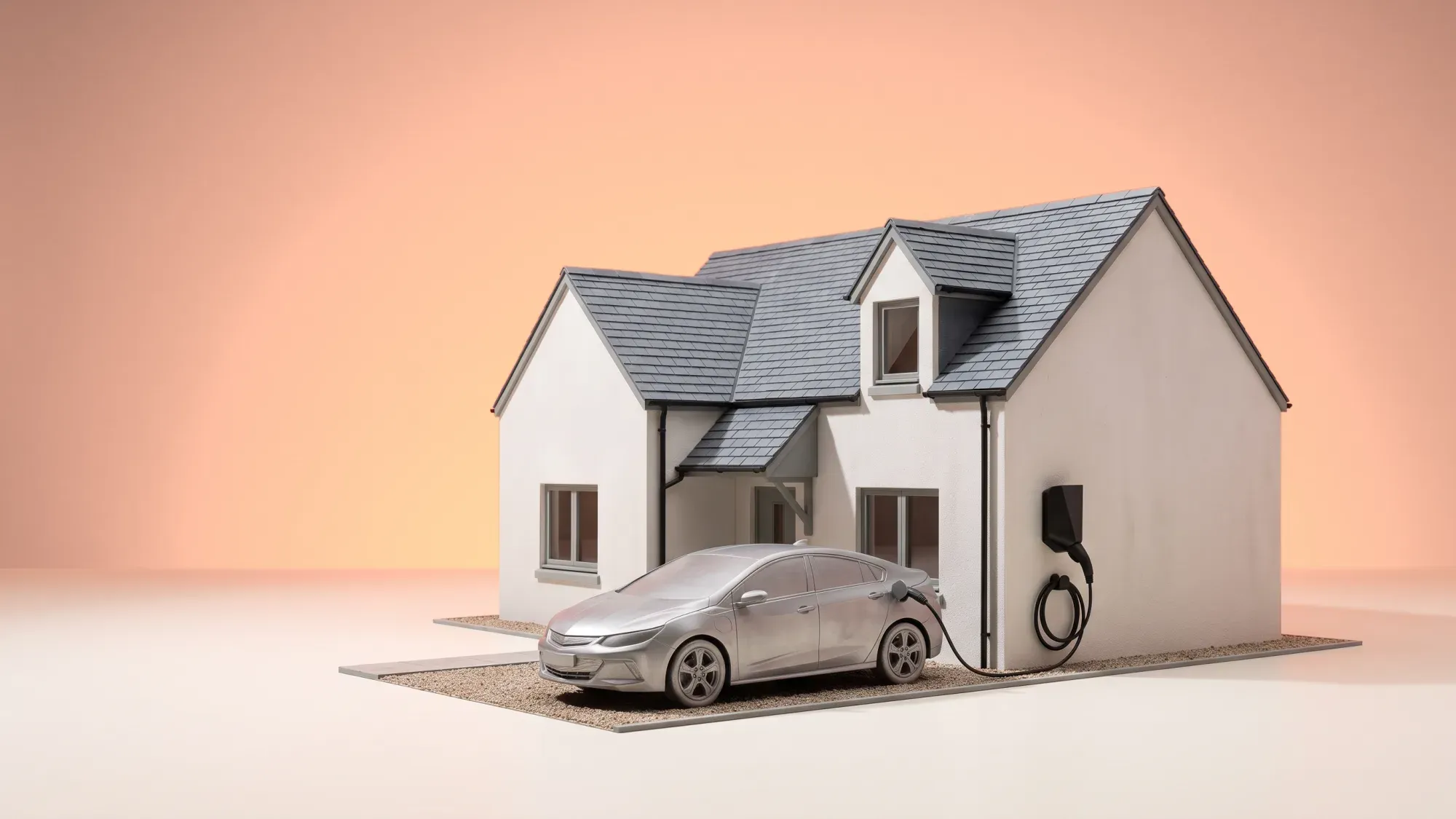
Installing an electric vehicle (EV charger) at home in Inverness offers a practical upgrade for any EV owner, seamlessly blending with life in the Highland capital. With its distinctive mix of traditional stone properties, modern developments, and rural outskirts, Inverness presents unique considerations for home energy solutions. A home charger provides unparalleled convenience and can significantly reduce running costs compared to relying solely on public charging infrastructure.
Why install an EV charger at home in Inverness?
Convenience and cost savings
Charging your EV at home means waking up to a full "tank" every day, eliminating trips to public charging stations and the associated waiting times. This convenience is particularly valuable in Inverness, where local journeys often involve longer distances or travel into more remote areas. Beyond convenience, home charging, especially when utilising off-peak electricity tariffs, can be substantially cheaper than public charging options. Smart EV chargers allow you to schedule charging sessions to coincide with the cheapest electricity rates, optimising your energy spend and potentially saving hundreds of pounds annually.
Supporting local sustainability
Choosing to install an EV charger at home in Inverness contributes directly to the region's sustainability goals. By making EV ownership more practical and affordable, you are supporting the reduction of carbon emissions and fostering a greener future for the Highlands. This local impact aligns with broader efforts to transition towards renewable energy sources and cleaner transportation.
Understanding local grants and funding in Scotland
Navigating the financial aspects of EV charger installation can seem complex, but several grants and support schemes are available to help Inverness residents.
EV Chargepoint grants
The UK government's Office for Zero Emission Vehicles (OZEV) offers the EV Chargepoint Grant for renters and flat owners, which provides up to £500 towards the cost of purchasing and installing a home EV charger1. This grant is specifically available for flat owner-occupiers and people in rental accommodation across the UK who have private off-street parking. Owner-occupiers in a house with private off-street parking are not eligible for this grant. There is also the EV Chargepoint Grant for households with on-street parking, offering up to £500 for installing a cross-pavement solution. Eligibility criteria apply, so it is worth checking the full details to see if you qualify.
Home Energy Scotland support
For residents in Scotland, Home Energy Scotland provides comprehensive information and support on various grants for home energy improvements, including EV charging. They offer free, impartial advice tailored to Scottish residents, helping you understand available funding and how to apply. This service is crucial for ensuring you access all relevant support specific to your location.
On-street charging options
For Inverness residents without a driveway or off-street parking, local councils can install on-street residential chargepoints. This is facilitated through the government's On-street Residential Chargepoint Scheme (ORCS), which helps expand public charging infrastructure where private home charging is not feasible.
The EV charger installation process in Inverness
Installing a home EV charger in Inverness involves several steps, from initial planning to final connection. For more details on the process, you can explore our comprehensive guide to EV charger installation.
Site survey and planning
The first step is typically a site survey by a qualified installer. They will assess your property's electrical system, identify the best location for the charger, and discuss your charging needs. This survey ensures your home can safely accommodate the new installation and helps determine the most suitable charger type.
Connecting to the local grid: SSEN
Inverness falls within the "Northern Scotland" electricity distribution region, and the local Distribution Network Operator (DNO) is Scottish and Southern Electricity Networks (SSEN). Any new home EV charger or solar/battery grid connection in Inverness must be notified to SSEN (chargers via the ENA connect-and-notify route; solar or battery systems under G98/G99). This is usually handled by your chosen installer, ensuring safety and network stability. If you experience a power cut in Inverness, dial the free national number 105, which routes directly to SSEN.
What is the ENA connect-and-notify process for EV charger installation?
A new home EV charger is registered with your DNO under the ENA connect-and-notify process: for most installations the installer fits the charger first and notifies the DNO within 28 days, while higher-load installations need approval before work starts. The separate G98/G99 process covers connecting generation equipment, such as solar panels or home batteries, to the grid. It ensures the installation is safe and does not negatively impact the stability of the electricity network. Your installer typically manages this notification to the DNO.
Choosing the right charger type
Home EV chargers come in various types, primarily differing in charging speed and smart features. Chargers around 7kW are a popular choice for domestic use, offering a good balance of speed and cost. Consider smart chargers that allow scheduling, remote control, and integration with energy management systems to maximise efficiency and cost savings. To help you make an informed decision, consider our guide on how to pick the right home EV charger.
Finding approved EV charger installers in Inverness
Selecting the right installer is crucial for a safe and efficient EV charger installation.
Key considerations for local installers
When choosing an installer in Inverness, look for those who are accredited and have experience with local grid requirements. They should be familiar with SSEN's notification processes and understand the specific electrical infrastructure in the area. Checking reviews and asking for local references can provide peace of mind.
Questions to ask potential installers
Before committing, ask potential installers about their accreditations, experience with similar installations in Inverness, and how they handle the ENA connect-and-notify notification to SSEN. Enquire about the types of chargers they offer, warranty information, and their after-sales support. A reputable installer will provide a clear, itemised quote and explain the entire process.
Optimising your EV charging for cost and efficiency
Beyond the installation, smart energy management is key to making the most of your home EV charger. Understanding the overall cost of an EV charger involves more than just the unit price; it includes ongoing running costs.
Leveraging smart charging features
Smart EV chargers allow you to schedule charging during off-peak hours when electricity is cheaper. This can significantly reduce your running costs. Many smart chargers also integrate with home energy management systems, providing real-time data on your energy consumption and helping you make informed decisions about when and how to charge your vehicle.
Understanding Inverness's electricity price cap region
Inverness sits in the "Northern Scotland" electricity distribution region for Ofgem's price cap. This means its unit rates and daily standing charges differ from other regions, as the cap is set quarterly and varies by location. Understanding your regional rates allows you to better calculate potential savings from smart charging and off-peak tariffs.
Making a power play with your home EV charger
Beyond installation: smart energy management
Installing an EV charger is just the first step. The real "power play" comes from integrating it into a broader smart home energy strategy. By understanding your energy consumption, leveraging smart charging, and utilising off-peak tariffs, you gain control over your energy costs. This transforms your EV charger from a simple appliance into a smart asset that contributes to a more efficient and resilient local grid.
Fuse Energy's approach to abundant power
Fuse Energy empowers Inverness EV owners to manage their home charging efficiently. Fuse Energy can install an Easee One EV charger at your property, and its energy management platform helps you maximise the benefits after installation. The Fuse app provides tools to monitor and optimise EV charging costs, aligning with the desire for transparency and control over home energy. By making energy abundant and easy to manage, Fuse helps you turn your EV charger into a key component of a smarter, more abundant home energy system.
Ready to take control of your home energy and EV charging? Switch to Fuse Energy today for clear pricing, real-time usage data, and 24/7 human customer support. Our online sign-up process is quick and easy, helping you manage your bills effectively.
References
- UK Government. Electric vehicle Chargepoint grants
Disclaimer
For the avoidance of doubt, this article is provided for informational purposes only and is not intended to constitute legal or financial advice. The author and/or Fuse Energy shall not be responsible for any losses arising out of any reliance on the information contained herein.