EV charger installation in Cambridge
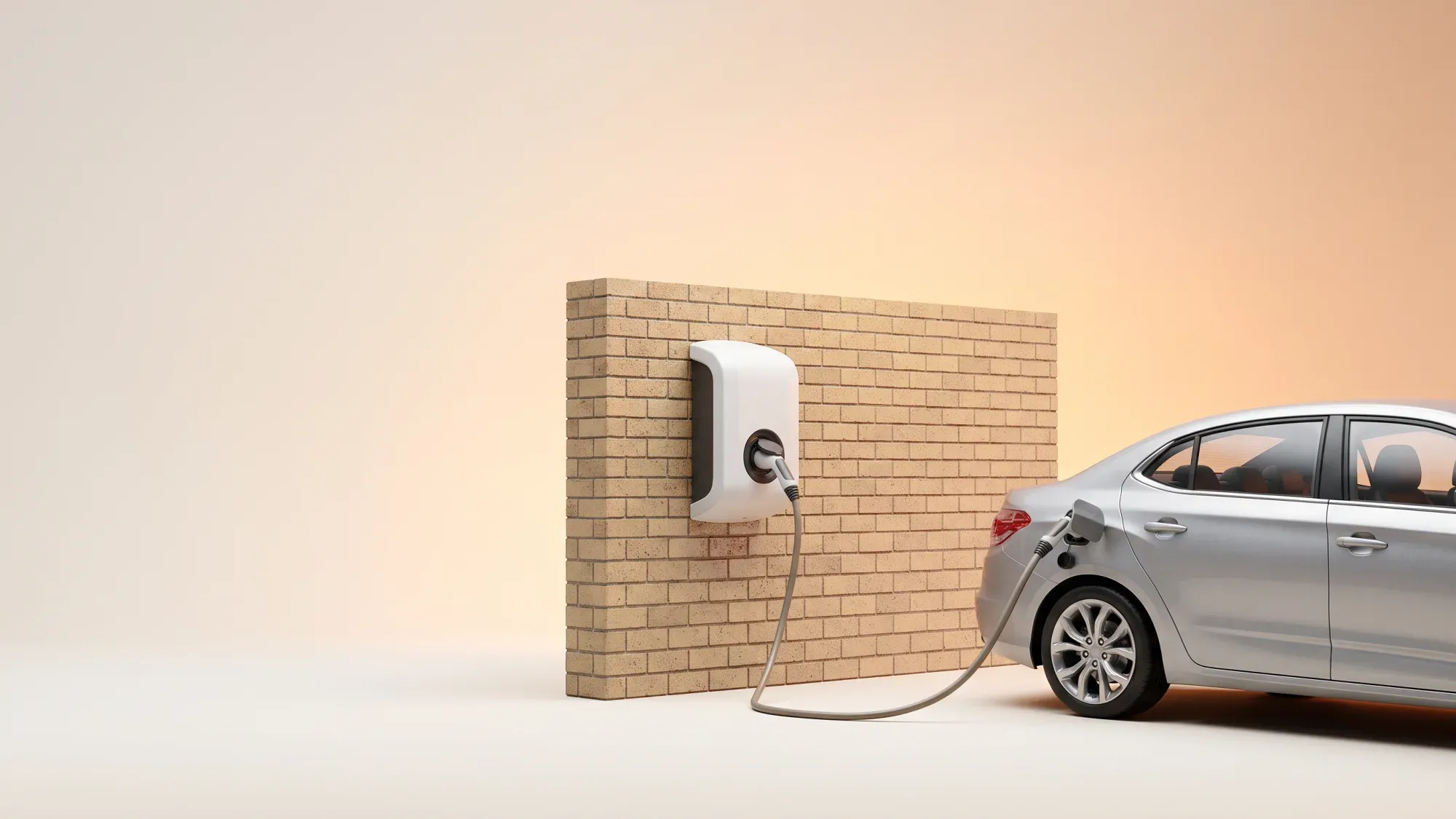
For Cambridge homeowners transitioning to electric vehicles, installing a home charger is a practical upgrade that offers greater energy independence and control. In a city known for its historic architecture, academic community, and diverse housing - from Victorian terraces to modern flats - understanding the local nuances of EV charger installation is essential.
Fuse Energy helps you make this "power play" by providing solutions and a comprehensive guide tailored to Cambridge's energy landscape, ensuring your home charging experience is seamless and cost-effective.
Understanding home EV charging in Cambridge
Why install a home EV charger?
Installing a home EV charger offers unparalleled convenience. Instead of searching for public charging stations, you can simply plug in your electric vehicle (EV) overnight and wake up to a full battery. This eliminates range anxiety and integrates charging seamlessly into your daily routine. Beyond convenience, home charging can significantly reduce running costs compared to relying solely on public networks, especially when paired with smart tariffs that allow off-peak charging.
The benefits for Cambridge residents
For Cambridge residents, a home EV charger means more than just convenience; it is about adapting to the city's unique infrastructure. With its mix of historic streets and modern developments, finding available public charging can sometimes be a challenge. Home charging provides reliability and control over your energy costs, allowing you to charge during off-peak hours when electricity is cheaper. This is particularly beneficial in the Eastern England electricity distribution region, where local energy prices are subject to Ofgem's quarterly price cap adjustments1.
Local considerations for Cambridge homeowners
Cambridge's housing stock and parking challenges
Cambridge's varied housing stock, including many terraced homes and flats, often presents unique challenges for EV charger installation. Off-street parking is a common prerequisite for home charger installation, which can be an issue for properties without driveways or garages. However, solutions exist. For those without private parking, local councils can facilitate on-street residential chargepoints through the government's Local Electric Vehicle Infrastructure (LEVI) scheme. This initiative aims to expand public charging access for residents without home charging facilities, often using lamp columns for installation.
Your local distribution network operator: UK Power Networks
The local Distribution Network Operator (DNO) for Cambridge is UK Power Networks. The DNO is responsible for maintaining the electricity cables and lines that deliver power to your home. Any new home EV charger installation must be notified to UK Power Networks under the ENA connect-and-notify process. This ensures the additional load on the local network is managed safely and efficiently. Typically, your chosen approved installer will handle this notification process on your behalf. If you experience a power cut in Cambridge, you would contact UK Power Networks by dialling the free national number 105. You can also find your DNO using the Energy Networks Association's "Find my network operator" tool.
Eastern England's electricity price cap region
Cambridge falls within the "Eastern England" electricity distribution region for Ofgem's price cap. Ofgem reviews and updates the price cap quarterly, on 1 January, 1 April, 1 July, and 1 October, to reflect changes in wholesale energy costs and other industry charges.
Grants and financial support for EV chargers
The EV Chargepoint Grant for renters and flat owners
The UK government offers financial assistance to help reduce the cost of installing a home EV charger through the Electric Vehicle Chargepoint Grant (EVCG), administered by the Office for Zero Emission Vehicles (OZEV)2. This grant is specifically available for eligible flat owner-occupiers and people in rental accommodation. The EV Chargepoint Grant for renters and flat owners provides up to £500 towards the cost of buying and installing an approved smart home charger. To qualify, you must own and live in a flat, or rent and live in any residential property, have private off-street parking, and own or lease an eligible electric vehicle. Your installer must be OZEV-authorised to ensure eligibility for the grant. The customer applies for the grant themselves via the GOV.UK eligibility/application page, and the installer claims the grant on their behalf after installation is complete.
Who is eligible for the EV Chargepoint Grant for renters and flat owners?
The EV Chargepoint Grant for renters and flat owners is for flat owner-occupiers and renters in the UK. To qualify, you must have dedicated off-street parking, own or lease an eligible EV, and use an OZEV-authorised installer. The grant covers up to £500 towards the cost of a home charger.
Solutions for on-street parking: the LEVI scheme
For Cambridge residents without off-street parking, the government's LEVI scheme provides a crucial solution. This fund supports local authorities, like those in Cambridge, in working with the chargepoint industry to improve and expand public charging infrastructure. The LEVI project focuses on delivering primarily low-powered, on-street chargepoints to benefit residents who lack private parking. This includes innovative solutions such as installing chargers on lamp columns, making EV ownership more accessible for those in terraced homes or flats.
The EV charger installation process
From initial enquiry to powering up
Installing an EV charger typically follows a clear process. First, you assess your home's suitability, considering your parking arrangements and electrical supply. Next, you research available government grants, such as the EV Chargepoint Grant for renters and flat owners. The crucial step is obtaining quotes from local, approved EV charger installers in Cambridge. Once you have chosen an installer, they will guide you through the necessary paperwork and technical assessments. The actual installation usually takes a few hours, after which you will receive certification and can begin charging your EV at home. You can learn more about choosing the right home EV charger for your needs.
Understanding the DNO notification process
A key part of the installation process involves notifying your local DNO. For Cambridge, this is UK Power Networks. This notification, known as the ENA connect-and-notify process, ensures that your new EV charger will not overload the local electricity grid.
- Connect and notify: The connect-and-notify route applies where the property's total demand stays at or below 60amps, with the DNO notified after installation.
- Apply to connect: Larger or more complex installations need DNO approval before work starts.
Your installer will manage this administrative process for you.
Choosing the right EV charger and installer
Types of home EV chargers
Home EV chargers come in various types, primarily distinguished by their charging speed and smart features. Most residential chargers are 'fast' chargers, typically delivering around 7kW of power, which can fully charge an average EV overnight. For example, Fuse offers the Easee One charger, which delivers 7.4 kW. Smart chargers offer additional benefits, such as scheduling charging sessions to take advantage of cheaper electricity rates, monitoring energy consumption, and even integrating with solar panels. When choosing, consider your vehicle's charging capacity, your daily driving needs, and your budget. You can explore more about EV charger options available.
Finding approved EV charger installers in Cambridge
Finding a reputable and approved installer is paramount. Ensure any installer you consider is certified and registered with OZEV, especially if you plan to apply for the EV Chargepoint Grant for renters and flat owners. Local expertise is valuable; an installer familiar with Cambridge's specific housing types and the requirements of UK Power Networks will be better equipped to handle any unique challenges. It is always wise to obtain multiple quotes and check reviews to ensure you select a professional who can provide a safe and efficient installation. Understanding how much an EV charger costs can help you compare quotes effectively.
Optimising your EV charging in Cambridge
Smart charging and time-of-use tariffs
Once your EV charger is installed, optimising its use can lead to significant savings. Smart chargers allow you to schedule charging times, making it easy to take advantage of time-of-use (ToU) electricity tariffs. These tariffs offer cheaper rates during off-peak hours, typically overnight, which aligns perfectly with home EV charging. By shifting your charging to these periods, you can substantially reduce your electricity costs.
Integrating EV charging with home energy management
Integrating your EV charging with broader home energy management systems offers even greater control and efficiency. This could involve linking your charger with solar panels and battery storage, allowing you to power your car with self-generated renewable energy. Fuse Energy's approach to energy management extends to smart EV charging, contributing to a more efficient and future-ready grid. Fuse helps Cambridge homeowners unlock abundant energy for their EV, making home charging seamless and anxiety-free, and simplifying the process of integrating an EV charger into a home's energy system. Fuse's app provides tools to monitor and manage energy usage, including EV charging, for optimal cost-effectiveness.
By making home EV charging a strategic "power play," Cambridge residents can not only enjoy the convenience of charging at home but also contribute to a more sustainable and efficient energy future.
References
Disclaimer
For the avoidance of doubt, this article is provided for informational purposes only and is not intended to constitute legal or financial advice. The author and/or Fuse Energy shall not be responsible for any losses arising out of any reliance on the information contained herein.