EV charger installation in Burnley
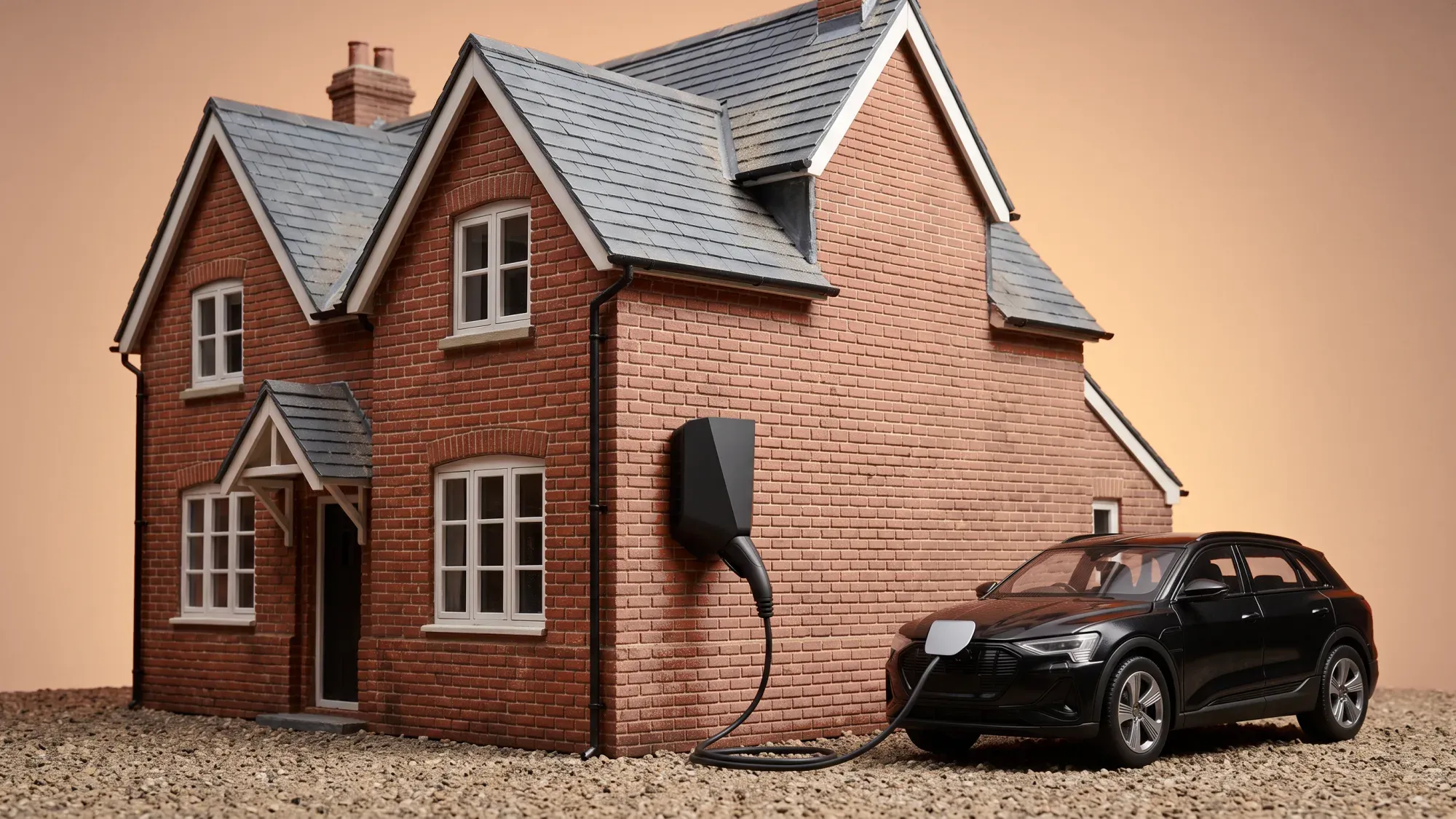
Installing an electric vehicle (EV) charger at home in Burnley offers convenience and control over your charging costs. This guide provides practical advice for residents, covering local considerations, grants, and the installation process.
Why home EV charging matters in Burnley
Having a home EV charger provides unparalleled convenience. You can charge your vehicle overnight and wake up to a full battery, ready for your daily commute or a trip across the Lancashire countryside. It also gives you greater control over charging costs, especially when combined with smart energy tariffs.
Burnley's unique home energy landscape
Burnley falls within the North West England electricity price cap region, meaning your unit rates and standing charges for electricity are set quarterly by Ofgem. This regional pricing directly affects the cost of charging your EV at home. If you experience a power cut, your local Distribution Network Operator (DNO) is Electricity North West. You can contact them by dialling the free national number 105. If you are unsure who your DNO is, you can find out using the Energy Networks Association's (ENA) "Find my network operator" tool.1
The benefits of home EV charging
Beyond convenience, home EV charging can significantly reduce your running costs compared to public charging networks, particularly if you use off-peak electricity tariffs. It also adds value to your property and makes daily EV ownership a seamless experience.
Understanding EV charger grants and costs in Burnley
The initial cost of an EV charger can be a barrier, but various grants and schemes are available to help Burnley residents reduce these expenses.
OZEV grant eligibility for Burnley residents
The UK government's Office for Zero Emission Vehicles (OZEV) offers an EV chargepoint grant that can cover up to £500 towards the cost of purchasing and installing a home EV charger.2 This grant is available for specific groups:
- Renters and flat owners: You must own and live in a flat, or rent any residential property, and have private off-street parking.
- Households with on-street parking: You must own or rent the property, only have on-street parking, and be installing a cross-pavement solution (e.g. a charging gully).
It is important to note that owner-occupiers in a house with private off-street parking are generally not eligible for these domestic chargepoint grants. The customer must apply for the grant themselves via the GOV.UK website; the installer does not apply on their behalf.
Home EV charger installation costs
The cost of installing a home EV charger can vary, but a standard 7kW installation typically costs between £800 and £1,200, including the unit and labour. Fuse Energy offers the Easee One EV charger, including installation, for a base cost of £899. This includes full installation (up to 15m of cabling), surge protection, and a 3-year warranty. Factors influencing the overall cost include the complexity of the electrical work and any necessary upgrades to your consumer unit.
On-Street charging solutions
For Burnley residents without a driveway or dedicated off-street parking, on-street charging is a vital alternative. The government's On-Street Residential Chargepoint Scheme provides funding to local authorities to install public EV charging infrastructure in residential areas. This means your local council can apply for funding to install chargepoints on residential streets, providing accessible charging options for those who need them most.
The EV charger installation process in Burnley
Installing an EV charger is a multi-step process that requires professional expertise to ensure safety and compliance with local regulations.
Finding a qualified installer
The first step is to find a qualified and accredited EV charger installer operating in Burnley. Look for installers who are approved by OZEV (if you plan to claim a grant) and who have experience working with your local DNO's regulations. Obtaining multiple quotes allows you to compare services and prices. For more information on what to look for, consider reading our guide on how to pick the right home EV charger.
The DNO notification process
New EV charger installations, like any significant electrical connection to the grid, require notification to your local DNO. This is done through the ENA connect-and-notify process. Your chosen installer should handle this notification on your behalf, ensuring your new charger is safely and legally connected to the grid without causing issues for the wider electricity network.
What is the DNO notification process?
The DNO notification process is a regulatory requirement for new electrical connections, such as EV chargers, to inform the local DNO about the installation. This ensures grid stability and safety, with your installer typically managing the submission.
What to expect on installation day
On the day of installation, the electrician will typically carry out a final survey, install the charge point, connect it to your consumer unit, and perform all necessary testing. They should also provide a demonstration of how to use your new charger and complete all relevant paperwork. The process usually takes a few hours, depending on the complexity.
Choosing the right EV charger and installer
Selecting the right EV charger and installer is crucial for a smooth and efficient home charging experience.
Types of home EV chargers
Home EV chargers come in various types, primarily differing in power output and features. Most residential chargers are either 7.4kW (fast chargers) or 3.6kW (slower chargers). You can also choose between tethered (with a cable permanently attached) or untethered (requiring you to use your car's charging cable) units. To understand the full scope of options, you might find our article on how much is an EV charger helpful.
Key features to consider
When choosing a charger, consider features like smart charging capabilities, which allow you to schedule charging during off-peak hours when electricity is cheaper. Future-proofing is also important; look for chargers that can integrate with smart home energy management systems and are compatible with various EV models.
Questions to ask potential installers
Before committing, ask potential installers about their accreditations, experience with similar installations, and whether they handle the DNO notification process. Clarify what's included in their quote, such as any necessary electrical upgrades or warranty information.
Optimising your EV charging at home
Once your EV charger is installed, you can take steps to maximise its efficiency and minimise your running costs.
Smart charging and energy tariffs
Smart charging allows your EV to charge automatically during periods of lower electricity demand, which often correspond to cheaper off-peak tariffs. By switching to an EV-friendly energy tariff, you can significantly reduce the cost of powering your vehicle. These tariffs often offer lower unit rates during specific overnight hours, making it a "power play" to charge when energy is most abundant and affordable.
Integrating EV charging with home energy management
Integrating your EV charging with your overall home energy management strategy can unlock further savings and control. Fuse Energy empowers homeowners by providing tools within its app to monitor home energy consumption and integrate existing EV chargers for smart tariff usage. This allows you to make informed decisions about when and how you use electricity, aligning with Fuse's vision of abundant energy and giving you "power to play with" your home's energy usage. Fuse Energy also offers EV charger installation services, specifically the Easee One charger, to help you get set up.
References
- Energy Networks Association. Who is my network operator?
- UK Government. Electric vehicle chargepoint grants
Disclaimer
For the avoidance of doubt, this article is provided for informational purposes only and is not intended to constitute legal or financial advice. The author and/or Fuse Energy shall not be responsible for any losses arising out of any reliance on the information contained herein.