Bolton EV charger installation: key considerations
Installing an electric vehicle (EV charger) at home in Bolton involves specific local factors, from the diverse housing stock to the regional energy infrastructure. Understanding these elements is crucial for a smooth transition to EV ownership.
Bolton's unique landscape for EV charger installation
Understanding Bolton's housing stock and its impact
Bolton's residential areas feature a mix of property types, from Victorian terraces and semi-detached homes to modern new-build estates. This diversity significantly influences EV charger installation. Older properties may require electrical system upgrades to safely accommodate a home charger, potentially increasing installation complexity and cost. Many terraced homes also lack off-street parking, which is often a prerequisite for home EV charger installation. For these properties, solutions like on-street charging points become essential. It is important to note that a typical homeowner who owns and lives in a house with private off-street parking does not qualify for any current domestic chargepoint grant.
The local energy Network: Electricity North West and price caps
Bolton falls within the North West England electricity distribution region. The local Distribution Network Operator (DNO) for Bolton is Electricity North West. They are responsible for maintaining the local grid and managing power cuts. Residents can dial 105 for free in Great Britain to be connected to their DNO in case of an outage. Electricity unit rates and daily standing charges in this region are subject to Ofgem's price cap1, which is updated quarterly on 1 January, 1 April, 1 July, and 1 October.
Choosing the right EV charger for your Bolton home
Types of home EV chargers and their features
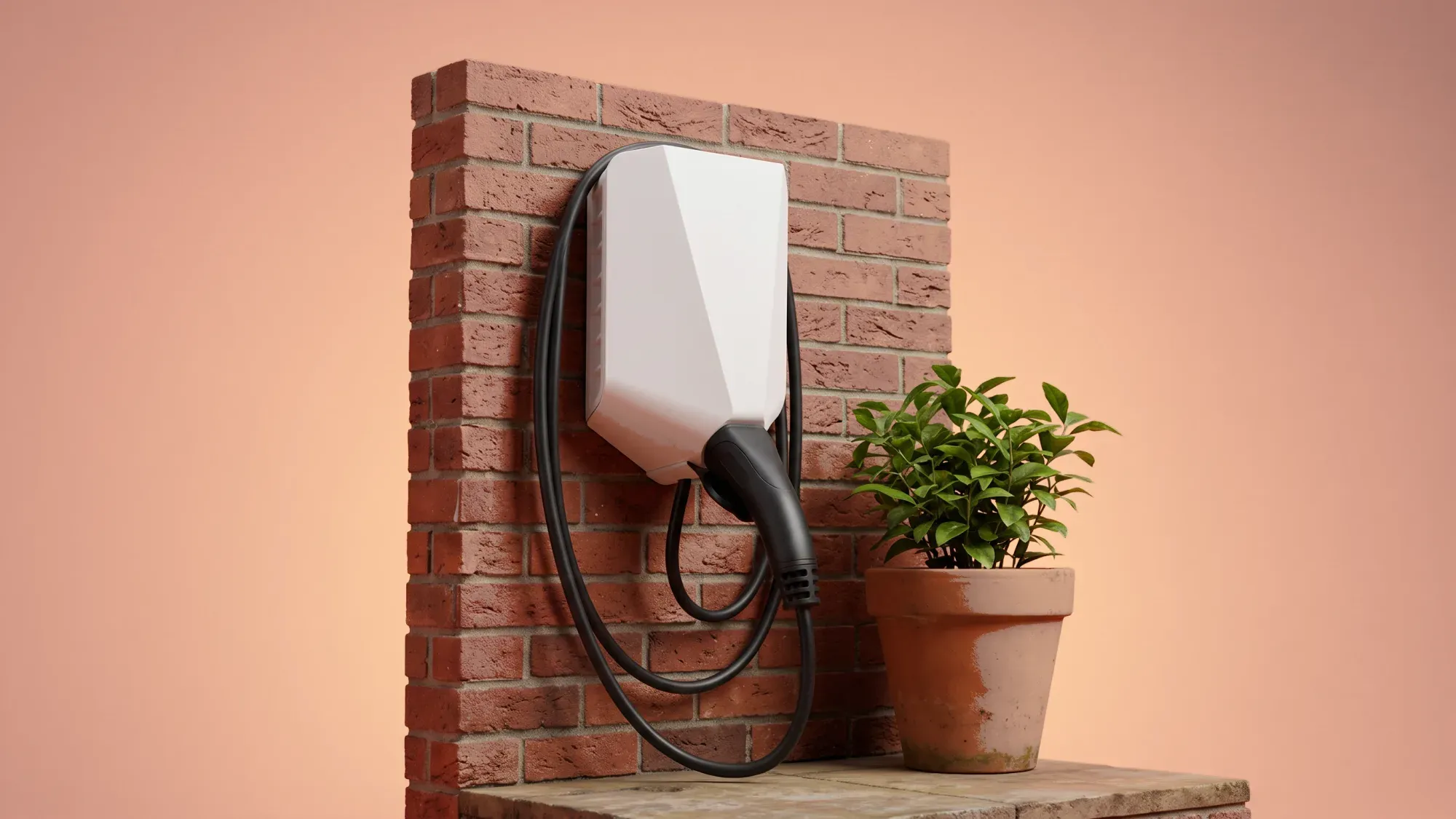
Home EV chargers typically come in two main types: 'untethered' (where you use your car's charging cable) and 'tethered' (with a cable permanently attached). While chargers vary in power output, a 7kW unit is popular for home use, offering a good balance of charging speed and electrical compatibility for most properties. Fuse Energy offers the Easee One charger, which has a 7.4 kW output. Smart features, such as scheduling charging sessions during off-peak hours or integrating with solar panels, can help manage costs and optimise energy use. To learn more about choosing the right charger, you can read our guide on how to pick the right home EV charger.
Smart charging benefits for Bolton residents
Smart charging allows you to control when and how your EV charges. For Bolton residents, this means taking advantage of cheaper off-peak electricity tariffs, which can significantly reduce running costs. By scheduling charging during periods of lower demand, you can also contribute to a more stable local grid, aligning with Fuse Energy's vision of a resilient and decentralised energy system.
The EV charger installation process in Bolton
Key steps from assessment to activation
The process of installing an EV charger at your Bolton home generally involves several steps:
Property assessment: An installer will evaluate your property's electrical system, parking arrangements, and overall suitability.
Quote and planning: You'll receive a detailed quote, and the installer will plan the installation, including any necessary electrical upgrades.
DNO notification: Your installer will handle the required notification to Electricity North West.
Installation: The physical installation of the chargepoint and any associated wiring.
Testing and handover: The charger is tested, and you'll be shown how to use it safely and efficiently. For a comprehensive overview, see our article on EV charger installation.
DNO notification: what Bolton homeowners need to know
New home EV charger installations in Bolton require notification to Electricity North West, the local DNO, under the ENA connect-and-notify process2. This process ensures the local grid can safely accommodate the new connection. For most domestic installations, particularly those with a power output of 3.68kW or less, a connect-and-notify submission is submitted by your installer after commissioning, and no prior approval is needed. For larger systems, or those exceeding 13.8kW single-phase, an apply-to-connect application might be required, which involves DNO approval before installation can proceed. Your chosen installer should manage this entire notification process on your behalf, ensuring compliance and avoiding potential delays.
Costs and grants for EV charger installation in Bolton
Typical installation costs in the Bolton area
The cost of EV charger installation in Bolton can vary widely depending on your property type and specific requirements. Factors influencing the price include the type of charger, the complexity of the electrical work needed, and the distance from your fuse box to the chargepoint. While specific figures are best obtained through quotes from local installers, it is important to factor in both the unit cost and the installation labour. For more details on the financial aspects, you can explore how how much is an EV charger.
Navigating the OZEV EV chargepoint grant
The UK government offers the EV Chargepoint Grant3, which can provide up to £500 towards the cost of a home charger. This grant is available under specific schemes:
EV Chargepoint Grant for renters and flat owners: This provides up to £500 towards installation costs for individuals who own and live in a flat, or rent any residential property, provided they have private off-street parking.
EV Chargepoint Grant for households with on-street parking: This offers up to £500 for those installing a cross-pavement solution (e.g. a charging gully) and who only have on-street parking.
It is crucial to understand that owner-occupiers in a house with private off-street parking are generally not eligible for any current domestic chargepoint grant. The customer must apply for the grant themselves via the GOV.UK website; the installer does not apply on their behalf.
Who is eligible for the OZEV EV chargepoint grant?
The EV Chargepoint Grant for renters and flat owners is available to those who own and live in a flat, or rent any residential property, with dedicated off-street parking. The EV Chargepoint Grant for households with on-street parking is for those installing a cross-pavement solution. Both schemes offer up to £500 towards the cost of purchasing and installing a home EV chargepoint. The customer applies directly via GOV.UK.
On-street charging solutions via the LEVI fund
For Bolton residents without off-street parking, the Local Electric Vehicle Infrastructure (LEVI) fund is a significant development. Bolton Council is utilising this fund to install on-street residential chargepoints, aiming for at least 400 new public EV charge points by 2027. This initiative focuses on areas with high demand and limited off-street parking, including high-density neighbourhoods. The council is exploring various solutions, including home-connected charging solutions and recessed pavement cable channels, to allow residents to charge from their home electricity supply safely and conveniently.
Finding a qualified EV charger installer in Bolton
What to look for in a local installer
When choosing an EV charger installer in Bolton, prioritise those with local expertise and a strong track record. Look for installers who are OZEV-approved, as this is a requirement for claiming the EV Chargepoint Grant. They should also be familiar with Electricity North West's DNO notification processes and be able to handle all necessary paperwork. Checking reviews and asking for references can help ensure you select a reliable professional.
Ensuring compliance and safety standards
A qualified installer will ensure your EV charger installation complies with all relevant safety standards and electrical regulations. This includes adhering to the IET Wiring Regulations (BS 7671) and ensuring proper earthing and circuit protection. Compliance is crucial not only for safety but also for insurance purposes and to avoid issues with your DNO.
Optimising your home EV charging with Fuse Energy
Integrating your charger for smarter energy use
Integrating your EV charger with your home energy management system allows for smarter energy use. Fuse Energy's digital-first approach provides tools to manage your home energy, including smart EV charging. This enables you to optimise charging times to align with cheaper off-peak tariffs or periods when renewable energy generation is high, giving you greater control over your energy costs.
Making a 'power play' with your home energy
Choosing Fuse for home energy empowers Bolton residents to make an informed 'power play' in their transition to electric vehicles. By simplifying the installation process and optimising charging costs, Fuse helps customers integrate EV charging into a broader home energy strategy. This approach allows you to use more energy when it is abundant and cheaper, rather than feeling restricted by traditional energy models.
For the avoidance of doubt, this article is provided for informational purposes only and is not intended to constitute legal or financial advice. The author and/or Fuse Energy shall not be responsible for any losses arising out of any reliance on the information contained herein.