Home EV charger installation in Bedfordshire
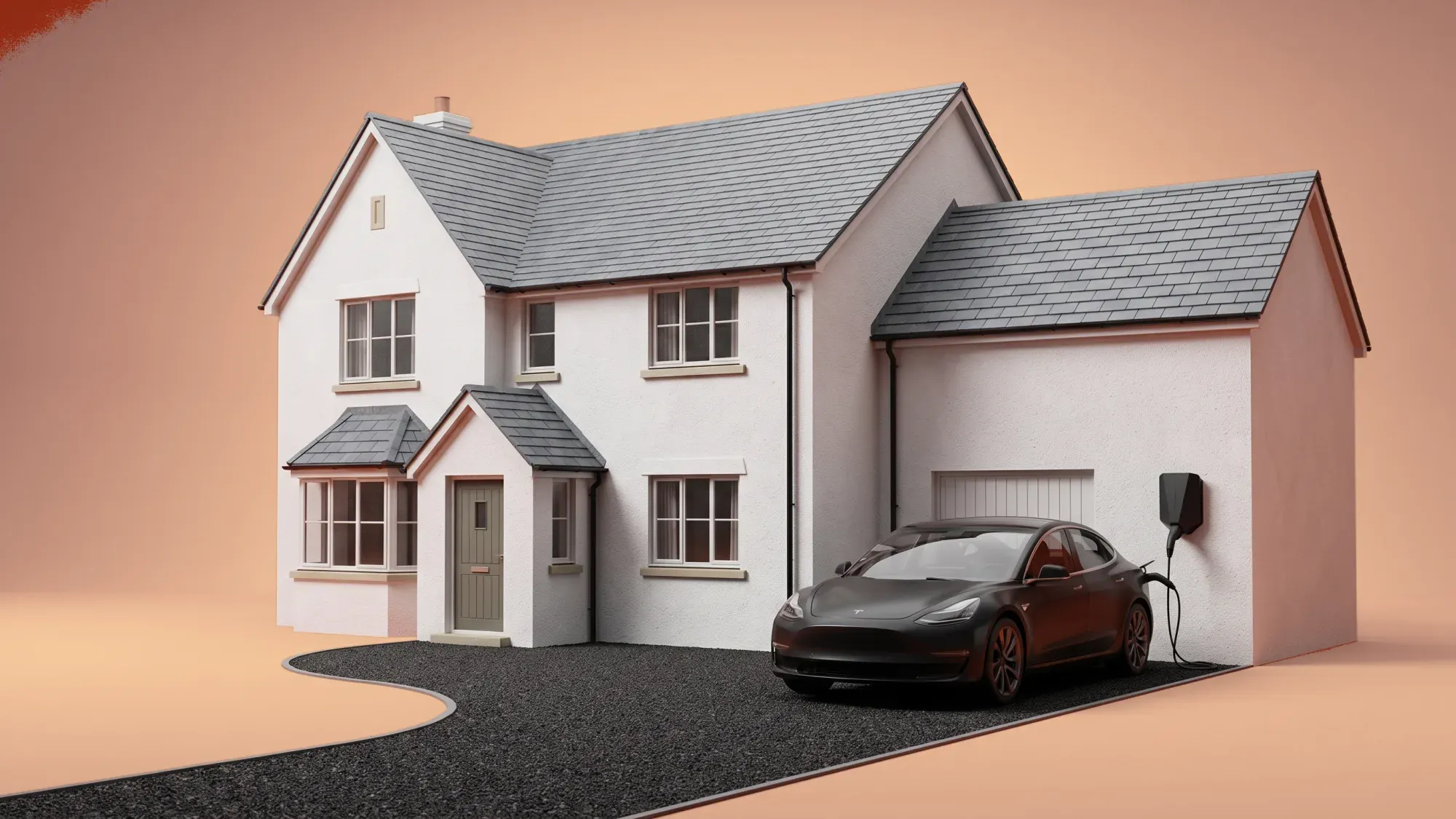
For electric vehicle (EV) owners in Bedfordshire, installing a home charger is a practical step towards convenient and cost-effective driving. This guide provides local insights into the process, from understanding grants to navigating local grid requirements, ensuring you have the power to play with.
Why install an EV charger at home in Bedfordshire?
Charging your electric vehicle at home offers significant advantages over relying solely on public charging infrastructure. It integrates seamlessly into your daily routine and can lead to notable savings.
Convenience and cost savings
Waking up to a fully charged EV eliminates range anxiety and the need to seek out public chargepoints. Home charging is typically cheaper per kilowatt-hour than public options, especially when utilising off-peak electricity tariffs. This means your daily commute or weekend trips across Bedfordshire become more economical.
Future-proofing your home
Installing an EV charger is an investment in your property, enhancing its appeal and functionality. As electric vehicles become more common, a dedicated home charging solution positions your Bedfordshire property for the future, integrating with potential broader home energy management systems like solar panels and battery storage.
Understanding EV charger grants for Bedfordshire residents
Financial support is available to help reduce the upfront cost of installing an EV charger at home. Understanding these schemes is crucial for Bedfordshire residents.
OZEV EV chargepoint grants
The UK government's Office for Zero Emission Vehicles (OZEV) offers several EV chargepoint grants to eligible residents1. It is important to note that a typical homeowner who owns and lives in a house with private off-street parking does not qualify for any current domestic chargepoint grant.
The two main domestic schemes are:
- EV chargepoint grant for renters and flat owners: This grant provides up to £500 towards installing a chargepoint at the property. To be eligible, you must own and live in a flat, or rent and live in any residential property, and have private off-street parking.
- EV chargepoint grant for households with on-street parking: This grant also offers up to £500 towards installing a chargepoint. Eligibility requires you to own or rent the property, have only on-street parking, and be installing a cross-pavement solution (such as a charging gully).
An OZEV-authorised installer must carry out the work, and the customer applies for the grant themselves via the GOV.UK website after the application is approved.
Local council initiatives and on-street charging
For Bedfordshire residents without a private driveway, local councils can facilitate on-street residential chargepoints through the government's Local Electric Vehicle Infrastructure (LEVI) scheme. This fund supports local authorities in England to improve and roll out charging infrastructure, particularly for those without off-street parking. The LEVI fund aims to increase the availability of low-power, on-street charging solutions. Contacting your local council in Bedfordshire can provide more information on planned or existing on-street charging infrastructure in your area.
The EV charger installation process in Bedfordshire
Installing an EV charger involves several key steps, from selecting the right professional to ensuring compliance with local grid regulations.
Finding a qualified installer
Choosing a qualified and accredited EV charger installer operating in Bedfordshire is paramount. They will assess your home's electrical capacity, recommend suitable charger models, and ensure the installation meets all safety standards. You can find more information on what to expect during the EV charger installation process.
DNO notification to UK Power Networks
New home EV charger installations in Bedfordshire require notification to UK Power Networks, your local Distribution Network Operator (DNO). This is done under the ENA connect-and-notify process, which ensures that your new connection does not adversely affect the stability or safety of the electricity grid. Your chosen installer can advise on this notification process.
What is the ENA connect-and-notify process for EV chargers?
A new home EV charger is registered with your DNO under the ENA connect-and-notify process: for most installations the installer fits the charger first and notifies the DNO within 28 days, while higher-load installations need approval before work starts. The separate G98/G99 process covers connecting generation equipment, such as solar panels or home batteries, to the grid. It ensures grid stability and safety. For smaller installations, a connect-and-notify submission is usually sufficient, while larger systems require an apply-to-connect application and prior approval from your DNO.
What to expect on installation day
On the day of installation, the installer will typically mount the chargepoint, run the necessary cabling from your consumer unit, and connect it to the mains electricity supply. They will then test the charger and provide a demonstration of its features. The process usually takes a few hours, depending on the complexity of the installation.
Local considerations for Bedfordshire EV owners
Bedfordshire's specific energy landscape influences how home EV charging operates, from grid management to electricity pricing.
UK Power Networks: your local DNO
For all electricity matters in Bedfordshire, UK Power Networks is your local DNO. They are responsible for maintaining the electricity network, managing new connections, and handling power cuts. If you experience a power cut in Bedfordshire, you should call the free national number 105, which will route you directly to your DNO. You can also use the Energy Networks Association's "Find my network operator" tool to identify your DNO by postcode.
Eastern England's electricity pricing
Bedfordshire falls within the 'Eastern England' electricity distribution region. The unit rates and standing charges you pay for energy are influenced by various factors, including wholesale energy costs, network charges, and government levies. These costs are regulated by Ofgem, the UK's energy regulator2.
Solutions for homes without a driveway
Not every home in Bedfordshire has a private driveway, but this does not rule out convenient EV charging. The LEVI scheme, as mentioned, empowers local councils to install on-street residential chargepoints. This initiative is designed to provide charging solutions for homes without off-street parking, making EV ownership accessible to a wider range of residents.
Choosing the right EV charger for your Bedfordshire home
Selecting the appropriate EV charger involves considering your vehicle, charging needs, and how it integrates with your home.
Charger types and features
EV chargers come in various types, primarily distinguished by their power output. For example, the Easee One EV charger installed by Fuse Energy has a 7.4 kW output. Features to consider include smart charging capabilities, tethered or untethered cables, and compatibility with your vehicle. Understanding how much an EV charger costs can help you make an informed decision.
Smart charging and energy management
Smart chargers allow you to schedule charging sessions, often taking advantage of cheaper off-peak electricity rates. This can significantly reduce your running costs. Many smart chargers can also integrate with home energy management systems, optimising charging based on solar generation or household demand.
Integrating your EV charger into a smarter home energy system
An EV charger can be a foundational component of a more comprehensive and efficient home energy ecosystem.
Solar panels and battery storage
Pairing your EV charger with solar panels and battery storage allows you to charge your vehicle with self-generated renewable energy. This not only reduces your reliance on grid electricity but can also further lower your charging costs and carbon footprint. Any such installation would also require DNO notification to UK Power Networks under the ENA connect-and-notify process.
Fuse Energy is dedicated to providing clear pricing, real-time usage data, and 24/7 human customer support to help you manage your home energy effectively. Our online sign-up process is quick and easy, allowing you to take control of your energy bills. We believe in making energy simple and transparent for every home.
References
- UK Government. Electric vehicle chargepoint grants
- Ofgem. About us
Disclaimer
For the avoidance of doubt, this article is provided for informational purposes only and is not intended to constitute legal or financial advice. The author and/or Fuse Energy shall not be responsible for any losses arising out of any reliance on the information contained herein.