EPC meaning: what it is and why it matters
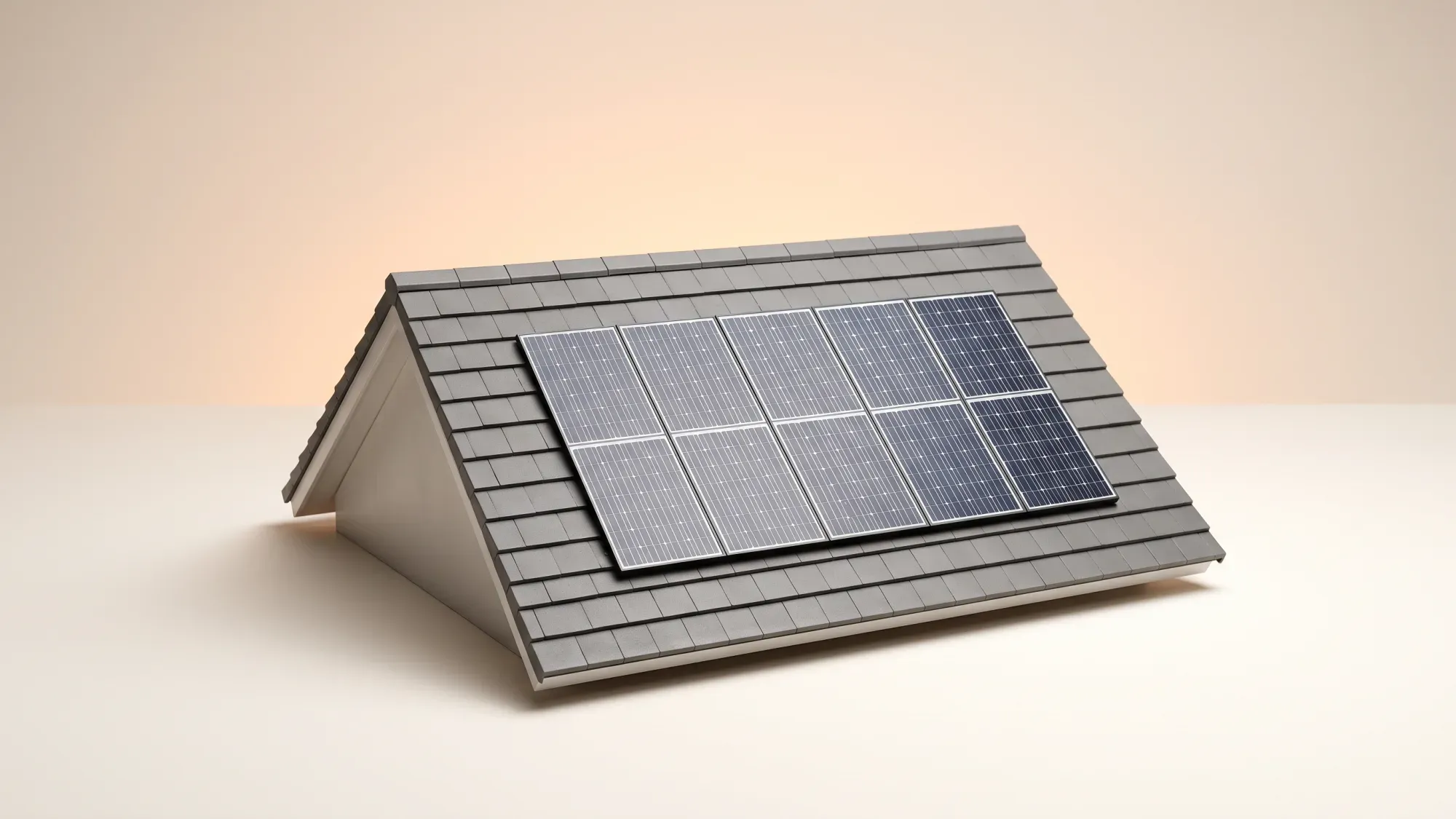
An Energy Performance Certificate (EPC) is a vital document for any property in the UK, providing a clear rating of its energy efficiency and offering actionable recommendations for improvements. This certificate influences everything from your energy bills to the property's market value and legal compliance. Understanding your EPC is the first step towards a more energy-efficient home, giving you greater control over energy consumption and costs.
Fuse Energy empowers property owners to understand and act on their EPCs, transforming a regulatory requirement into an opportunity for energy control and a future with greater energy control and freedom.
Thinking about EPC? With Fuse Energy, you get clear pricing, real-time usage data, 24/7 human customer support, and a modern energy experience designed around you. Signing up takes just a few minutes, so you can take control of your bills from day one. Click here to switch to Fuse Energy today and start saving.
Enter your address to get a quote and see how much you could save
What is an Energy Performance Certificate (EPC)?
An EPC is a report that assesses a property's energy performance, grading it from A (most efficient) to G (least efficient). It details the property's typical energy use, estimated running costs, and environmental impact, alongside a list of recommendations for improving its energy efficiency. An EPC is valid for 10 years from its issue date.
Disambiguating the 'EPC' acronym
The acronym "EPC" can cause confusion due to its multiple uses. In the context of UK property, it specifically refers to an EPC. This is distinct from "Engineering, Procurement, and Construction" (a term used in large-scale industrial projects) or an "EPC light" that might appear on a vehicle's dashboard.
The purpose of an EPC
The primary purpose of an EPC is to provide transparent information about a building's energy performance to prospective buyers or tenants. This allows them to understand the likely energy costs and environmental impact before committing to a purchase or rental agreement. The recommendations within the report also serve as a guide for property owners to enhance energy efficiency, leading to lower energy bills and reduced carbon emissions.
Why EPCs matter for UK property
EPCs are more than just a piece of paper; they have significant legal and financial implications for property owners and tenants across the UK.
Legal requirements and MEES
EPCs are a legal requirement under The Energy Performance of Buildings (England and Wales) Regulations 2012. An EPC must be made available free of charge to a prospective buyer or tenant at the earliest opportunity when a property is built, sold, or rented.
For landlords in England and Wales, Minimum Energy Efficiency Standards (MEES) require privately rented properties to have an EPC rating of E or higher to be legally let. This standard has been in effect for all tenancies since April 2023.
Impact on property value and rentability
A property's EPC rating can directly influence its market value and how easily it can be rented out. Properties with higher ratings are often more attractive to buyers and tenants due to lower running costs and reduced environmental impact. Conversely, a low EPC rating can deter potential occupants and may necessitate costly improvements to meet legal standards, particularly for landlords.
Your path to energy savings
Improving your property's EPC rating is a direct path to significant energy savings. The recommendations provided in the certificate highlight specific upgrades that can reduce energy consumption, potentially saving hundreds of pounds annually on energy bills. Beyond financial benefits, a more energy-efficient home offers enhanced comfort and contributes to a lower carbon footprint.
Decoding your EPC report
An EPC report contains several key pieces of information, designed to give you a comprehensive overview of your property's energy performance.
Understanding the a-g rating scale
The core of an EPC is its energy efficiency rating, presented on a colourful scale from A to G.
- A: Most energy-efficient (score 92+)
- B: Very energy-efficient (score 81-91)
- C: Good Energy efficiency (score 69-80)
- D: Average to below average (score 55-68)
- E: Lower energy efficiency (score 39-54)
- F: Poor energy efficiency (score 21-38)
- G: Least energy-efficient (score 1-20)
This rating is primarily based on the estimated running costs for heating, hot water, and lighting.
Key information on your certificate
Beyond the headline rating, an EPC includes:
- Estimated energy costs: A breakdown of how much you might expect to spend on heating, hot water, and lighting annually.
- Environmental impact rating: A separate rating indicating the property's carbon dioxide emissions.
- Property characteristics: Details about the building's construction, insulation, heating system, and glazing.
- Accreditation details: Information about the energy assessor who conducted the evaluation.
Interpreting the recommendations
The recommendations section is crucial, offering tailored advice on how to improve your property's energy efficiency. These suggestions are typically ordered by cost-effectiveness and include estimated costs and potential savings. Common recommendations include upgrading insulation, improving heating systems, and installing energy-efficient lighting.
How long is an EPC valid for?
An EPC is valid for 10 years from the date it is issued. This applies to both domestic and commercial properties across England, Wales, Scotland, and Northern Ireland. You only need a new EPC if the existing one has expired and you are selling, renting, or marketing the property.
How to obtain and check an EPC
Whether you are selling, renting, or simply curious about your home's energy performance, knowing how to find or obtain an EPC is straightforward.
Finding your existing EPC
You can easily check if your property already has a valid EPC by visiting the official UK government EPC register. You will need your postcode and address to search for existing certificates. If your property has been sold or rented in the last 10 years, it is likely there is a valid EPC on record.
Arranging a new EPC assessment
If you need a new EPC, you will need to arrange for an accredited energy assessor to conduct an assessment. You can find qualified assessors through government-approved accreditation schemes. The cost for a residential EPC in the UK typically ranges from £60 to £120, though prices can vary based on property size, type, and location.
What to expect during an assessment
During an EPC assessment, the energy assessor will visit your property to collect data on various elements, including:
- The age and type of construction.
- Insulation in walls, lofts, and floors.
- Heating systems, including boilers and controls.
- Windows and doors (e.g., single or double glazing).
- Lighting types.
The assessment usually takes between 30 to 60 minutes, depending on the size and complexity of the property. After the assessment, you should receive your EPC report within a few days.
Improving your EPC rating
Improving your EPC rating not only helps meet regulatory requirements but also makes your home more comfortable and reduces running costs.
Cost-effective upgrades
Many improvements can significantly boost your EPC rating without breaking the bank. These often include:
- Loft insulation: Topping up existing insulation or installing new.
- Cavity wall insulation: Filling gaps in external walls.
- LED lighting: Switching from traditional bulbs to more efficient LEDs.
- Heating controls: Installing thermostats and timers for better heating management.
- Draught-proofing: Sealing gaps around windows and doors.
These measures can offer a quick return on investment through reduced energy bills.
Longer-term investments
For more substantial improvements, consider longer-term investments that have a greater impact on your property's energy efficiency:
- Solid wall insulation: For properties without cavity walls.
- New boiler or heat pump: Upgrading to a more efficient heating system. Air source heat pumps, for instance, can significantly improve EPC ratings. You can learn more about the potential air source heat pump cost in the UK.
- Double or triple glazing: Replacing older windows to reduce heat loss.
- Solar panels: Generating your own electricity can dramatically improve your rating and reduce reliance on grid power. Explore available solar panel grants to help with installation costs.
Maximising your home's efficiency
Beyond specific upgrades, adopting energy-efficient habits can also contribute to a better-performing home. This includes using appliances efficiently, managing heating and cooling effectively, and being mindful of overall energy consumption. Regular maintenance of heating systems and insulation can also ensure they perform optimally.
The future of EPCs and energy efficiency
The landscape of energy efficiency regulations in the UK is continually evolving, with a clear trajectory towards higher standards.
Proposed changes to regulations
The government intends to raise the minimum EPC rating for privately rented properties in England and Wales to C or equivalent by 1 October 2030. This will apply to all tenancies. The proposed cost cap for landlords to make improvements is also set to increase to £10,000 per property. These changes aim to further reduce carbon emissions and improve the energy performance of the UK's housing stock.
The role of smart technology
Smart technology is playing an increasingly important role in energy efficiency. Smart meters provide real-time data on energy usage, helping homeowners understand and manage their consumption more effectively. You can find out more about smart meter installation and how it can benefit your home. Smart heating controls, smart appliances, and home energy management systems can further optimise energy use, complementing the recommendations found in an EPC report.
Empowering your energy future
Understanding and acting on your EPC is a proactive step towards an energy-abundant future. By improving your property's energy efficiency, you not only comply with current and future regulations but also gain greater control over your energy costs and contribute to a more sustainable environment. This empowerment aligns with Fuse Energy's vision: to provide you with the knowledge and tools to manage your energy, giving you greater energy control and freedom in your home.
Managing your home's energy should be simple and transparent. Fuse Energy offers clear pricing, real-time usage data through our app, and 24/7 human customer support to help you make the most of your energy. Switching to Fuse is quick and easy, allowing you to take control of your energy bills and contribute to a more efficient home. Click here to switch to Fuse Energy today.
Disclaimer
For the avoidance of doubt, this article is provided for informational purposes only and is not intended to constitute legal or financial advice. The author and/or Fuse Energy shall not be responsible for any losses arising out of any reliance on the information contained herein.