Choosing an energy supplier in West Yorkshire
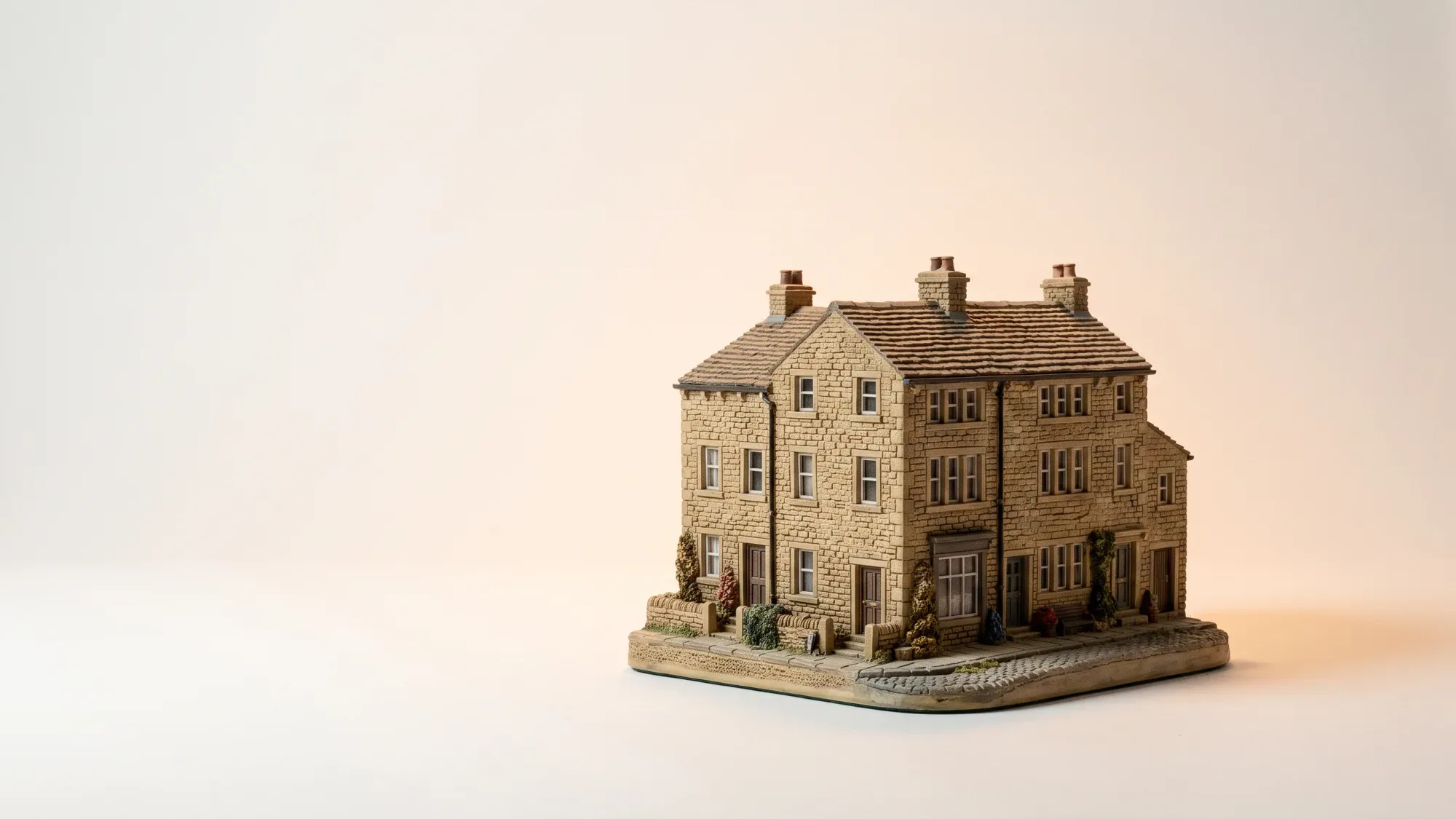
West Yorkshire offers a unique energy landscape, from the bustling urban centres of Leeds and Bradford with their traditional Victorian terraces to the more rural, stone-built homes nestled in the Pennine foothills. These diverse housing types, combined with the region's often colder inland winters, mean that selecting an energy supplier requires more than just a glance at national averages. This guide helps West Yorkshire residents navigate their local energy market to find a reliable and cost-effective supplier.
For West Yorkshire residents seeking a modern energy experience, Fuse Energy offers transparent app-driven control, real-time usage data, and 24/7 human customer support. Click here to switch to Fuse Energy today.
Enter your address to get a quote and see how much you could save
Navigating West Yorkshire's energy landscape
Understanding the local energy infrastructure and regulatory framework is crucial for West Yorkshire residents. These regional specifics directly influence your energy bills and the services you receive.
The 'Yorkshire' price cap region explained
West Yorkshire falls under the 'Yorkshire' electricity distribution region for Ofgem's energy price cap. This regional classification means that the maximum unit rates and daily standing charges you pay for electricity and gas can differ from those in other areas across Great Britain. Ofgem reviews and updates this energy price cap quarterly, with any changes typically coming into effect on 1 January, 1 April, 1 July, and 1 October each year.
Northern Powergrid: your local distribution network operator
The local Distribution Network Operator (DNO) for West Yorkshire is Northern Powergrid. DNOs are responsible for maintaining and upgrading the local electricity infrastructure, including the power lines and substations that bring electricity to your home. They are also the first point of contact in the event of a power cut. If you experience a power cut in West Yorkshire, you should dial the free national number 105, which will automatically route you to Northern Powergrid.
Choosing the right energy tariff for your West Yorkshire home
Selecting an energy tariff involves more than just comparing headline prices. Understanding the different types of tariffs and the factors that influence your bill can lead to significant savings.
Fixed vs variable tariffs: what's best for you?
Energy tariffs generally come in two main types: fixed and variable. A fixed tariff locks in your unit rate and standing charge for a set period, usually between 12 and 18 months, offering predictability in your energy costs. This can be beneficial if wholesale energy prices are expected to rise. A variable tariff, on the other hand, means your unit rates and standing charges can change with the market, usually updated quarterly in line with the energy price cap. Variable tariffs do not have exit fees, offering more flexibility if you wish to switch suppliers.
Understanding unit rates and standing charges
Your energy bill is primarily made up of two components: unit rates and standing charges. The unit rate is the price you pay for each unit of energy you consume, measured in kilowatt-hours (kWh) for electricity and gas. The standing charge is a fixed daily fee that covers the cost of supplying energy to your property, regardless of how much you use. Both of these charges are subject to the Ofgem Price Cap and vary by region, including the 'Yorkshire' region for West Yorkshire.
Factors influencing your energy bill
Several factors influence the total amount you pay for energy. The average UK home uses around 2,700 kWh of electricity per year. However, your actual consumption will depend on your home's size, insulation, heating system, and appliance usage. Older housing stock, common in parts of West Yorkshire, may require more energy to heat efficiently, while modern homes tend to be better insulated. Your personal energy habits, such as how often you use high-demand appliances, also play a significant role in your overall energy bill. For more ways to save, consider exploring energy bill savings strategies.
The power of smart meters and digital tools
Modern energy management goes beyond just choosing a tariff. Smart meters and digital tools offer West Yorkshire residents greater control and insight into their energy consumption.
How smart meters empower West Yorkshire residents
Smart meters automatically send your energy readings to your supplier, eliminating the need for manual meter readings and ensuring accurate billing. For West Yorkshire residents, these meters can enable access to smart tariffs that offer different rates at different times of the day, allowing you to potentially save money by shifting your energy use to off-peak periods. Eligibility for off-peak or dual-rate tariffs is determined by your meter's configuration (known as its Supplier Service Code, or SSC), not solely by having a smart meter. They also provide real-time data, helping you understand how and when you use energy. These meters interact seamlessly with the Northern Powergrid network, contributing to a more efficient local grid. If you're interested in tariffs that change with the market, you might want to learn more about agile pricing.
Managing your energy with an app
Energy apps provide a user-friendly interface to monitor your consumption. Fuse's app, for example, offers real-time usage data and cost insights relevant to the 'Yorkshire' price cap region, empowering West Yorkshire residents to manage their energy more effectively. This transparency helps you identify energy-saving opportunities and understand the impact of your choices on your bills.
Accessing energy support and grants in West Yorkshire
Help is available for West Yorkshire residents struggling with energy costs or looking to make their homes more efficient.
Warm Home Discount and other national schemes
In England, several government-backed schemes provide support for energy bills. The Warm Home Discount Scheme offers a one-off discount of £150 on your electricity bill for winter 2026 to 2027, with payment by 31 March 2027. Eligibility criteria include receiving certain benefits such as Pension Credit, Universal Credit, Housing Benefit, Income-based Jobseeker's Allowance (JSA), Income-related Employment and Support Allowance (ESA), or Income Support, and having your name on the electricity bill. Other initiatives include ECO4, which provides funding for energy efficiency improvements, and the Great British Insulation Scheme, which offers support for insulation upgrades to help reduce energy consumption.
Local initiatives and advice
Beyond national schemes, local councils and charities in West Yorkshire may offer additional support or advice on managing energy costs and improving home efficiency. Organisations like Citizens Advice1 can provide guidance on available grants and how to apply for them, helping you navigate the options specific to your circumstances.
The seamless switch: moving to a new energy supplier
Switching energy suppliers might seem daunting, but the process is designed to be straightforward, ensuring you can move to a better deal without interruption.
Your step-by-step switching guide
- Understand your current energy usage and meter type: Knowing how much energy you use and whether you have a smart or traditional meter helps you compare tariffs accurately.
- Research suppliers that operate in West Yorkshire: Look for providers that offer transparent pricing and services tailored to your needs.
- Compare tariffs: Focus on both unit rates and standing charges specific to the 'Yorkshire' region.
- Check for local support and customer service options: Consider factors like 24/7 human customer support, which can be a crucial safety net.
- Initiate the switching process: Once you've chosen a new supplier, they will handle the switch, which typically takes within 5 working days.
- Utilise available grants and smart technology: Continue to manage your energy consumption proactively after switching.
What to expect during the switch
Once you initiate a switch, your new supplier will contact your old one to arrange the transfer. You'll typically have a 14-day cooling-off period during which you can change your mind. Your energy supply will not be interrupted during the switch, and no physical work takes place at the property. Fuse supports smart meters and can arrange upgrades if needed.
Why local context matters for your energy choices
Your energy plan should reflect where you live, not just national averages.
Tailoring your energy plan to West Yorkshire's climate and housing
West Yorkshire's diverse housing stock, from solid Victorian terraces to modern new-builds, means energy efficiency varies greatly. The region's climate, with its colder inland winters, also means heating demands can be higher. Tailoring your energy plan involves choosing a supplier and tariff that acknowledges these local realities, potentially offering better value for your specific home type and usage patterns. For example, understanding the air source heat pump cost to run could be crucial for homeowners considering alternative heating solutions in the region.
Future-proofing your home's energy
Looking ahead, choosing a supplier that embraces modern technology and transparent practices can help future-proof your home's energy. Digital tools and smart meters offer greater control, while access to dedicated human support ensures reliability. This forward-thinking approach empowers West Yorkshire residents to manage their energy effectively, turning energy into 'power to play with' rather than a source of anxiety.
Switching to a new energy supplier in West Yorkshire can be a straightforward process, leading to better control over your energy usage and potentially lower bills. Fuse Energy is committed to providing a modern, transparent, and supportive energy experience for your home. With clear pricing, real-time usage data in the app, and 24/7 human customer support, you can take control of your energy.
Ready to make the switch? Click here to switch to Fuse Energy today and discover a smarter way to manage your home's energy. You can also learn more about our mission to transform energy by clicking here.
References
- Citizens Advice. Grants and benefits to help you pay your energy bills
Disclaimer
For the avoidance of doubt, this article is provided for informational purposes only and is not intended to constitute legal or financial advice. The author and/or Fuse Energy shall not be responsible for any losses arising out of any reliance on the information contained herein.