Energy supplier East Sussex
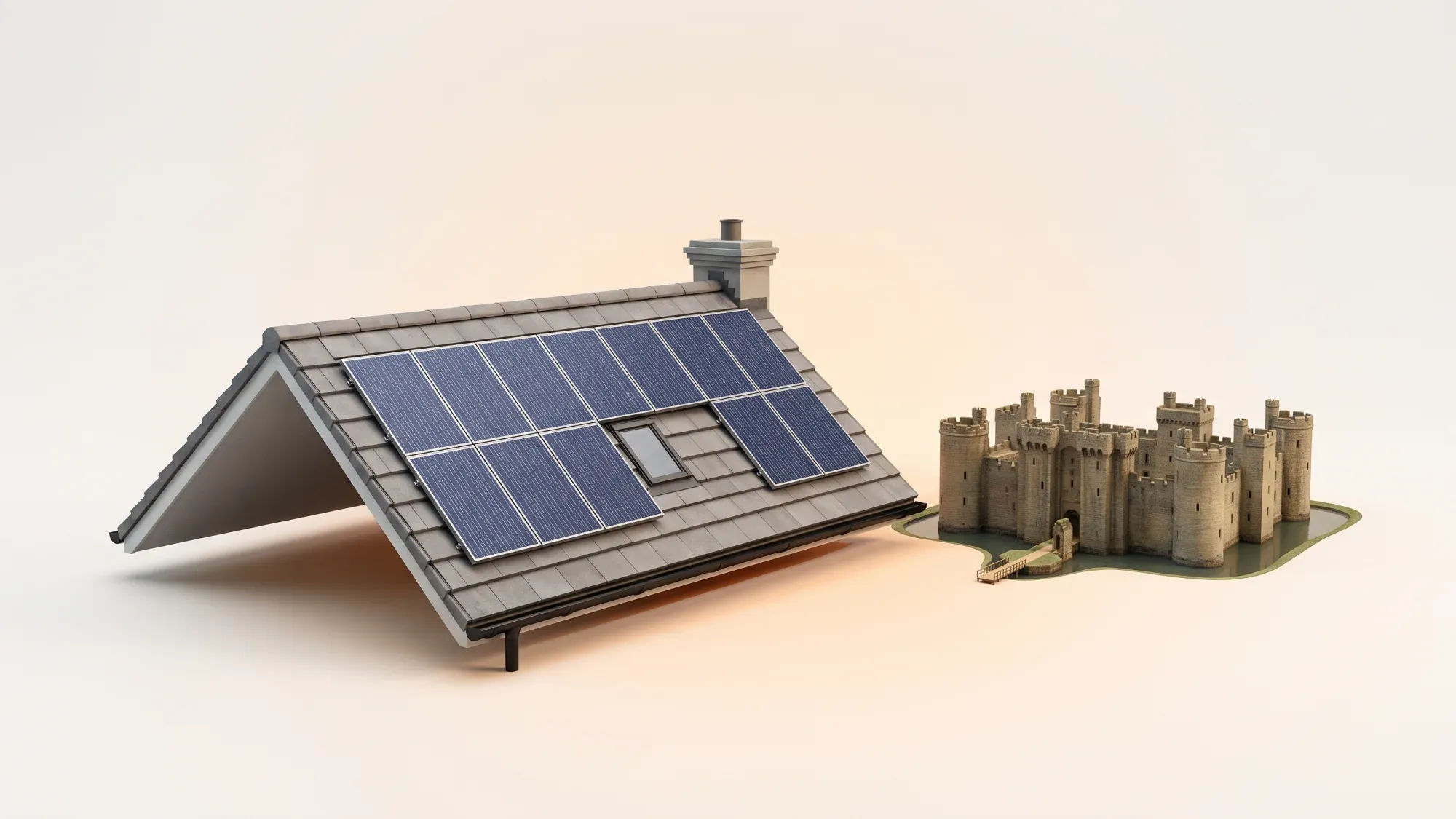
Navigating the energy market in East Sussex can feel complex, given the diverse range of properties from coastal flats to rural homes. Residents often seek a balance between cost-effective energy and sustainable solutions. Understanding your local energy landscape, including regional price caps and distribution networks, is key to making informed choices about your home energy supply.
Fuse Energy offers a straightforward approach to home energy, providing reliable supply and support tailored for residential customers. We aim to simplify your energy management, whether you are comparing tariffs, considering home upgrades like solar and batteries, or seeking a supplier that understands the local energy environment. Click here to switch to Fuse Energy today.
Enter your address to get a quote and see how much you could save
Navigating the East Sussex energy market
East Sussex's unique energy landscape
East Sussex presents a varied energy landscape. Bustling coastal towns such as Brighton and Eastbourne feature a mix of Victorian terraces and modern flats, while more rural areas in the South Downs or Wealden often have properties that are off the gas grid. This diversity means that energy needs and priorities can differ significantly. Some residents may prioritise competitive tariffs for their grid supply, while others in more isolated areas might be keenly interested in renewable solutions and energy independence.
Understanding your local energy infrastructure
East Sussex falls within the South East England electricity distribution region. This is an important detail because Ofgem, the energy regulator, sets a regional price cap that directly influences the unit rates and standing charges for gas and electricity in your area. These caps are updated quarterly, typically on 1 January, 1 April, 1 July, and 1 October each year, meaning your costs can fluctuate based on your location.
The local Distribution Network Operator (DNO) for East Sussex is UK Power Networks. They are responsible for maintaining the local power infrastructure, including the pylons, cables, and substations that deliver electricity to your home. In the event of a power cut, East Sussex residents can dial the free national number 105, which will route them directly to UK Power Networks for assistance.
Finding the right energy supplier in East Sussex
Comparing tariffs and contract types
Finding a suitable energy supplier starts with understanding your own energy usage and current contract details. According to Ofgem, the typical household in Britain uses approximately 2,500 kWh of electricity annually. This can be a useful benchmark for comparison. When comparing suppliers, look beyond just the headline price. You will need to consider the unit rate (how much you pay per kilowatt-hour of energy used), the standing charge (a fixed daily fee, regardless of how much energy you use), and the contract length. Tariffs can be either fixed (where your unit rate and standing charge remain constant for the contract duration) or variable (where they can change, typically quarterly, in line with the Ofgem Price Cap).
Beyond price: what to look for in a supplier
While cost is a significant factor, the "best" energy supplier offers more than just the cheapest tariff. Customer service quality, for instance, can make a substantial difference when you have questions or issues. Some modern energy suppliers, like Fuse Energy, offer 24/7 human customer support.
What is a DNO?
A DNO is the company responsible for maintaining the local electricity network in a specific region. For East Sussex, this is UK Power Networks. DNOs ensure power gets from the national transmission network to your home and handle power cuts, but they do not sell you electricity or gas.
Consider a supplier's digital tools, such as an intuitive app that provides transparent control over your energy usage and costs. For those interested in home energy upgrades like solar panels and batteries, a supplier that supports these technologies and helps you integrate them with your grid supply can be a major advantage. Avoiding common pitfalls means not focusing solely on the cheapest tariff without considering customer service or contract terms, and understanding how your local DNO and regional price caps affect your supply. You can also explore ways to make energy bill savings by understanding your usage patterns.
Switching energy suppliers: a step-by-step guide
The switching process explained
Switching energy suppliers in the UK is a straightforward process and a consumer right that can lead to cost savings and improved service. Here is how it generally works:
- Understand your current usage: Gather your recent bills to get an accurate picture of your electricity and gas consumption.
- Research and compare: Use comparison websites or directly check tariffs from suppliers operating in East Sussex. Pay attention to unit rates, standing charges, and contract terms.
- Initiate the switch: Once you have chosen a new supplier, they will handle most of the switching process for you. This typically takes around 5 working days.
- Provide final meter readings: Your new supplier will ask for a final meter reading on the day your supply switches. This ensures accurate billing from both your old and new suppliers.
What to do after you switch
After your switch is complete, your new supplier will send you a welcome pack with your new contract details. It is crucial to provide accurate final meter readings to both your old and new suppliers to ensure you are not overcharged or undercharged for the energy you have used. Keep an eye on your first bill from the new supplier to confirm everything is correct. If you encounter any issues, your new supplier's customer support should be your first point of contact.
Local energy support and renewable opportunities
Grants and schemes for East Sussex residents
Residents in East Sussex, like others across England, can access several government schemes designed to help with energy costs and improve home energy efficiency. These include:
- Warm Home Discount: This scheme provides a one-off £150 discount on your electricity bill for eligible low-income households or those receiving certain benefits1.
- ECO4 (Energy Company Obligation): This initiative requires larger energy suppliers to help customers improve the energy efficiency of their homes, often through measures like insulation or boiler upgrades. The scheme runs until 2026.
- Great British Insulation Scheme: This scheme was designed to help households reduce their energy bills by installing new home insulation. The GOV.UK referral service for new applications closed on 31 March 2026, with installations needing to be completed by this date2.
Checking your eligibility for these schemes can lead to significant savings and a more energy-efficient home.
Integrating renewables with your home energy
For many East Sussex residents, integrating renewable energy solutions like solar panels and home batteries is becoming an increasingly attractive option. These technologies can reduce reliance on grid electricity, lower bills, and contribute to a more sustainable lifestyle. Modern energy suppliers are increasingly supporting these home energy upgrades, offering tariffs designed to work with solar generation or smart battery systems. This allows you to make the most of the energy you generate, store it for later use, or even sell excess back to the grid. Understanding the cost to run an air source heat pump is also important for those considering low-carbon heating.
Why East Sussex residents choose modern energy suppliers
The benefits of a digital-first approach
Modern energy suppliers are transforming how East Sussex residents manage their home energy. A digital-first approach, often centred around a user-friendly app, offers greater control and transparency. You can monitor your energy usage in real-time, understand your costs, and manage your account with ease, all from your smartphone. This aligns with modern expectations for home management, empowering you to make smarter decisions about your energy consumption.
Reliable support and future-proofing your home
Choosing a modern energy supplier means opting for a service that understands the evolving energy landscape. Beyond competitive tariffs, reliable support, such as 24/7 human customer service, addresses a common pain point in the energy sector, enhancing peace of mind. These suppliers also often integrate seamlessly with home energy upgrades like solar and batteries, helping you future-proof your home against rising costs and contribute to a more sustainable energy system. This forward-looking choice allows East Sussex residents to make a 'power play' by taking control of their energy future.
Managing your home energy should be simple and transparent. Fuse Energy is committed to delivering clear pricing, real-time usage data through our app, and 24/7 human customer support to help you stay in control of your bills. Our quick online sign-up process means you can switch to a modern energy experience designed around your needs.
References
- UK Government. Warm Home Discount Scheme: Overview.
- UK Government. The Great British Insulation Scheme.
Disclaimer
For the avoidance of doubt, this article is provided for informational purposes only and is not intended to constitute legal or financial advice. The author and/or Fuse Energy shall not be responsible for any losses arising out of any reliance on the information contained herein.