Type 2 electric car charger for your home
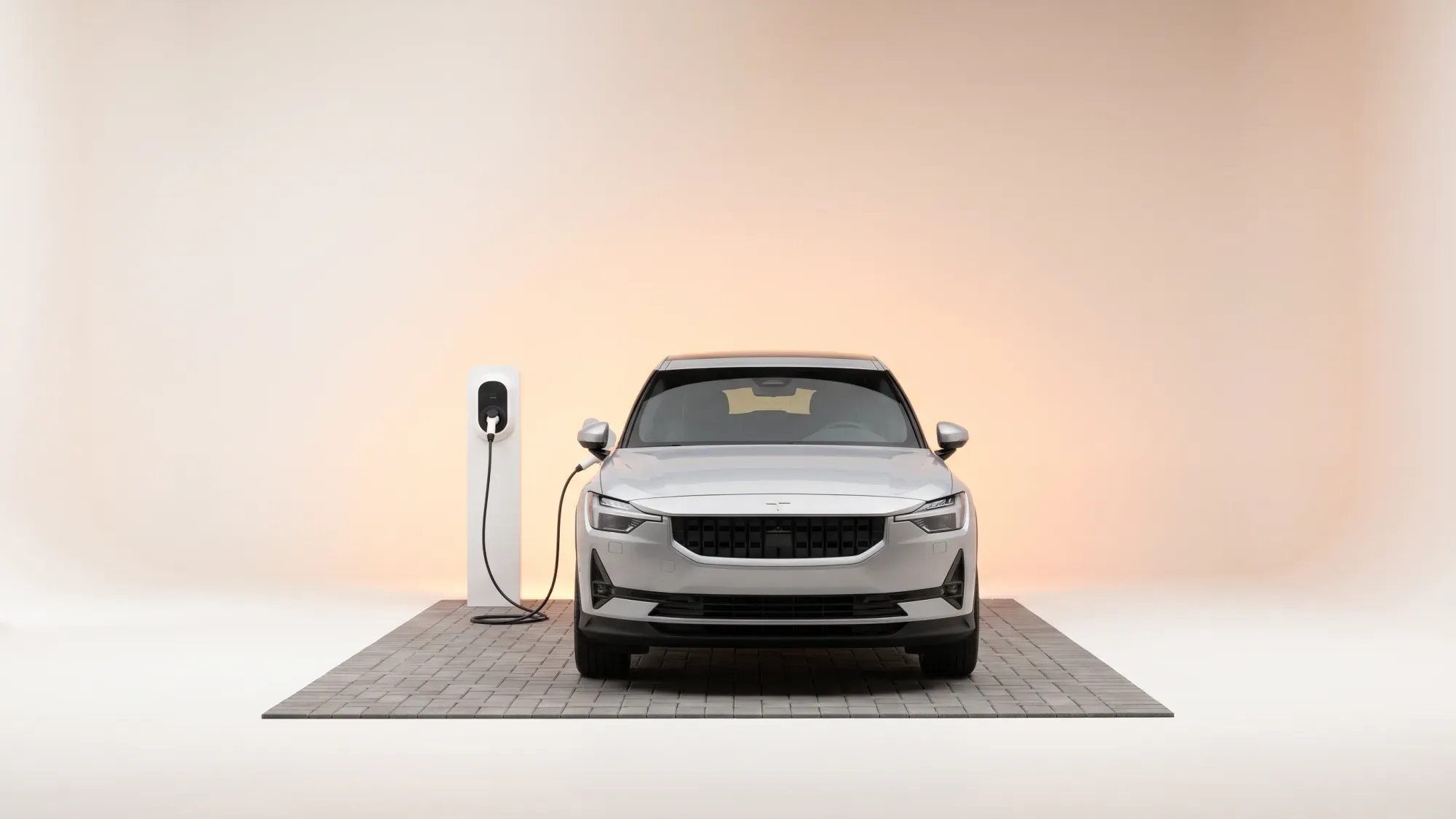
Choosing the right electric vehicle (EV) charger for your home is crucial for convenient and cost-effective charging. In the UK, the Type 2 connector has become the standard for AC charging, making it the most common and practical choice for home installations. Understanding its features, compatibility, and installation requirements will help you make an informed decision and integrate EV charging seamlessly into your home energy setup.
Optimise your home EV charging with Fuse Energy. We offer the Easee One Type 2 charger, designed to integrate with your smart meter and the Fuse app for efficient, cost-effective charging. Click here to learn more about our home energy solutions.
Enter your address to get a quote and see how much you could save
Understanding type 2 EV chargers
The Type 2 connector is the backbone of home and public AC charging across the UK and Europe, offering a reliable and efficient way to power your electric vehicle.
What is a type 2 connector?
A Type 2 connector is the European standard plug for electric vehicles, formally known as IEC 62196-2. It features a seven-pin design, which allows for communication between the vehicle and the charger, as well as the transfer of either single-phase or three-phase alternating current (AC) power. This design enables charging speeds typically ranging from 3.7 kW to 22 kW, depending on the power supply and the vehicle's capabilities.
Why is type 2 standard in the UK?
The Type 2 connector was adopted as the EU standard in 2013, with full compliance required by 2025, to promote electric mobility and ensure interoperability across different vehicles and charging stations. This standardisation means that virtually every new EV sold in the UK since around 2018 is equipped with a Type 2 inlet. Its versatility for home, workplace, and public AC charging, along with its ability to handle both single-phase and three-phase power, solidified its position as the default choice. Most home EV chargers installed in the UK utilise a Type 2 connector.
Key features and benefits of type 2 home chargers
Type 2 home chargers offer more than just a way to power your car; they bring safety, smart capabilities, and significant convenience.
Safety and reliability
The Type 2 connector's design includes a locking mechanism that prevents accidental disconnection during charging, enhancing safety and security. All domestic EV charge points installed in the UK must comply with specific safety and technical standards, ensuring they are robust and reliable for everyday use. The standardisation itself contributes to reliability, as manufacturers adhere to a common set of specifications.
Smart charging capabilities
Modern Type 2 chargers are increasingly sophisticated. All new private EV charge points sold in the UK must include smart functionality, enabling features like scheduled charging. This allows you to optimise when your car charges, taking advantage of off-peak electricity tariffs or periods of high renewable energy generation. These smart features can integrate with home energy management systems, giving you greater control over your energy consumption.
Convenience and cost savings
Installing a Type 2 charger at home offers unparalleled convenience, allowing you to charge your EV overnight or whenever it is parked, without relying on public infrastructure. This eliminates range anxiety and saves time. By leveraging smart charging features and potentially cheaper off-peak tariffs, home charging can also lead to significant cost savings compared to continually using public rapid chargers. Many homeowners also pair this with a smart meter installation to track usage more accurately.
Compatibility: which EVs use type 2?
If you own an electric vehicle in the UK, it is highly probable your car uses a Type 2 connector for AC charging.
Popular UK electric vehicles
The vast majority of electric cars sold in the UK and Europe use the Type 2 connector for slow and fast AC charging. This includes popular models such as the Volkswagen ID range, BMW i3, Hyundai Ioniq 5, Kia EV6, Renault Zoe, Peugeot e-208, and Tesla Model 3 and Model Y. Even Tesla vehicles in the UK and Europe use Type 2-based connectors for AC charging, making them compatible with standard Type 2 home and public chargers.
Checking your car's charging port
To confirm your EV's charging port type, simply check your vehicle's handbook or the charging flap. For AC charging, most modern EVs will have a Type 2 inlet. If you have an older or imported vehicle, it might use a Type 1 inlet, in which case you would need a Type 1 to Type 2 cable to use standard UK charging points.
Tethered vs untethered: choosing your charger
When selecting a home Type 2 charger, one of the primary decisions is whether to opt for a tethered or untethered unit.
Pros and cons of tethered chargers
A tethered charger comes with a charging cable permanently attached to the unit. This offers instant usability, as the cable is always ready to plug into your car, much like a petrol pump. It eliminates the need to store a separate cable in your car or garage. However, the fixed cable means less flexibility if you change EV models with different connector types or cable length requirements in the future. Cable management can also be a consideration, as the cable will always be visible.
Flexibility with untethered options
Untethered chargers, also known as socketed chargers, have a socket only, requiring you to supply your own Type 2 cable. This offers greater flexibility, allowing you to use different cable lengths or replace the cable if it gets damaged or if you upgrade your EV. Untethered units often appear neater and less obtrusive when not in use, as there is no visible cable. While the unit itself might be cheaper, you will need to factor in the cost of a compatible Type 2 cable.
Portable type 2 chargers and 3-pin plugs
Portable Type 2 chargers, often referred to as "granny chargers," allow you to plug your EV into a standard UK 3-pin domestic socket. While convenient for occasional use or emergencies, these chargers typically deliver power at around 2.3 kW. This means a full charge for a large EV battery can take over 24 hours. They are significantly slower than a dedicated home wallbox and are not recommended for regular charging due to the strain they can place on domestic wiring and their limited speed. For more information on home charging, you can read our guide on EV charging at home.
Charging speed and home electricity supply
Understanding charging speeds and your home's electrical supply is key to optimising your EV charging experience.
Understanding kilowatts (kW)
Charging speed is measured in kilowatts (kW), which indicates how quickly electricity is delivered to your car's battery. A higher kW rating generally means faster charging. Kilowatt-hours (kWh) measure the quantity of energy stored in your battery or delivered by the charger over time. For example, a 7 kW charger delivers 7 kWh of energy in one hour.
Single-phase vs three-phase power
Most homes in the UK have a single-phase electricity supply, which typically supports EV charging speeds of up to 7.4 kW. This is sufficient for most overnight charging needs. Three-phase electricity supplies, capable of delivering power from 11 kW up to 22 kW, are more common in commercial properties or larger, newer homes. If you have a three-phase supply and your EV can accept higher AC charging rates, a 22 kW charger can significantly reduce charging times. However, many EVs are limited to 11 kW or even 7.4 kW AC charging, so check your car's maximum AC charging rate before considering a three-phase upgrade.
How charging speed affects time
The time it takes to charge your EV depends on several factors: the size of your car's battery (in kWh), the power output of your charger (in kW), and your vehicle's maximum AC acceptance rate. A larger battery will naturally take longer to charge, and a higher-powered charger will reduce the time. However, your car's onboard charger converts the AC power to DC for the battery, and this component caps your AC charging speed. The state of charge also plays a role; charging typically slows down as the battery approaches full to protect its health.
How long does it take to charge an EV at home?
The charging time for an EV at home depends on your car's battery size (kWh), the charger's power (kW), and the vehicle's maximum AC acceptance rate. For example, a 60 kWh battery using a 7 kW home charger could take around 8 hours for a full charge.
Installation and cost considerations
Installing a home EV charger involves more than just buying the unit; professional installation is essential.
Professional installation requirements
Installing a home EV charger requires a qualified electrician to ensure safety and compliance with electrical regulations. Key requirements include having dedicated off-street parking, sufficient electrical capacity at your property, and often a Wi-Fi connection for smart features. Your installer will assess your home's electrical system to determine the most suitable charger and ensure it can be installed safely. All domestic EV charge points installed in the UK must comply with specific safety and technical standards.
Potential grants and incentives
Government support can help reduce the cost of installing a home EV charger. The Office for Zero Emission Vehicles (OZEV) offers several grants. For instance, the EV Chargepoint Grant for renters and flat owners provides up to £500 towards the cost of installing a chargepoint at the property, for those who own and live in a flat or rent any residential property with private off-street parking. Similarly, the EV Chargepoint Grant for households with on-street parking offers up to £500 for those installing a cross-pavement solution. The customer applies for these domestic grants directly via GOV.UK, and the OZEV-approved installer's role begins after the application is approved.
Overall cost factors
The total cost of installing a Type 2 EV charger at home includes the price of the charger unit itself, the installation labour, and any necessary electrical upgrades to your home. Prices vary based on the charger model, its features, and the complexity of the installation. While grants can help offset some of these costs, it is important to get a detailed quote from a reputable installer.
Optimising your EV charging with smart technology
Smart charging technology transforms how you power your EV, making it more efficient, cost-effective, and integrated into your home energy ecosystem.
Integrating with smart meters
Modern Type 2 chargers can seamlessly integrate with smart meters, providing real-time data on your energy consumption. This integration allows for a more holistic approach to home energy management, enabling your charger to communicate with your smart meter and potentially other home devices. Fuse Energy offers the Easee One Type 2 charger that seamlessly integrates with smart meters and the Fuse app, allowing for optimised charging as part of a holistic home energy system.
App control and scheduling
With smart Type 2 chargers, you gain control over your charging through dedicated mobile apps. These apps allow you to start and stop charging remotely, monitor your car's state of charge, and crucially, schedule charging sessions. Scheduling is a key smart feature, enabling you to set your EV to charge during specific times, such as overnight when electricity tariffs might be cheaper. All new private EV charge points sold in the UK must include smart functionality, making app control and scheduling a standard feature.
Using cheaper, greener energy
Smart charging allows you to make a "power play" by scheduling your EV to charge during off-peak hours when electricity is often cheaper and, increasingly, when a higher proportion of renewable energy is available on the grid. This not only reduces your running costs but also contributes to a greener energy footprint.
Managing your home energy should be simple and transparent. Fuse Energy focuses on straightforward pricing, so you can see exactly what you are paying without unnecessary complexity. Our 24/7 human support team is always on hand with fast response times whenever you need help. Click here to switch to Fuse Energy today and take control of your energy bills. Find out about our mission to make energy abundant by clicking here.
Disclaimer
For the avoidance of doubt, this article is provided for informational purposes only and is not intended to constitute legal or financial advice. The author and/or Fuse Energy shall not be responsible for any losses arising out of any reliance on the information contained herein.