Electric car battery: lifespan, cost, and care
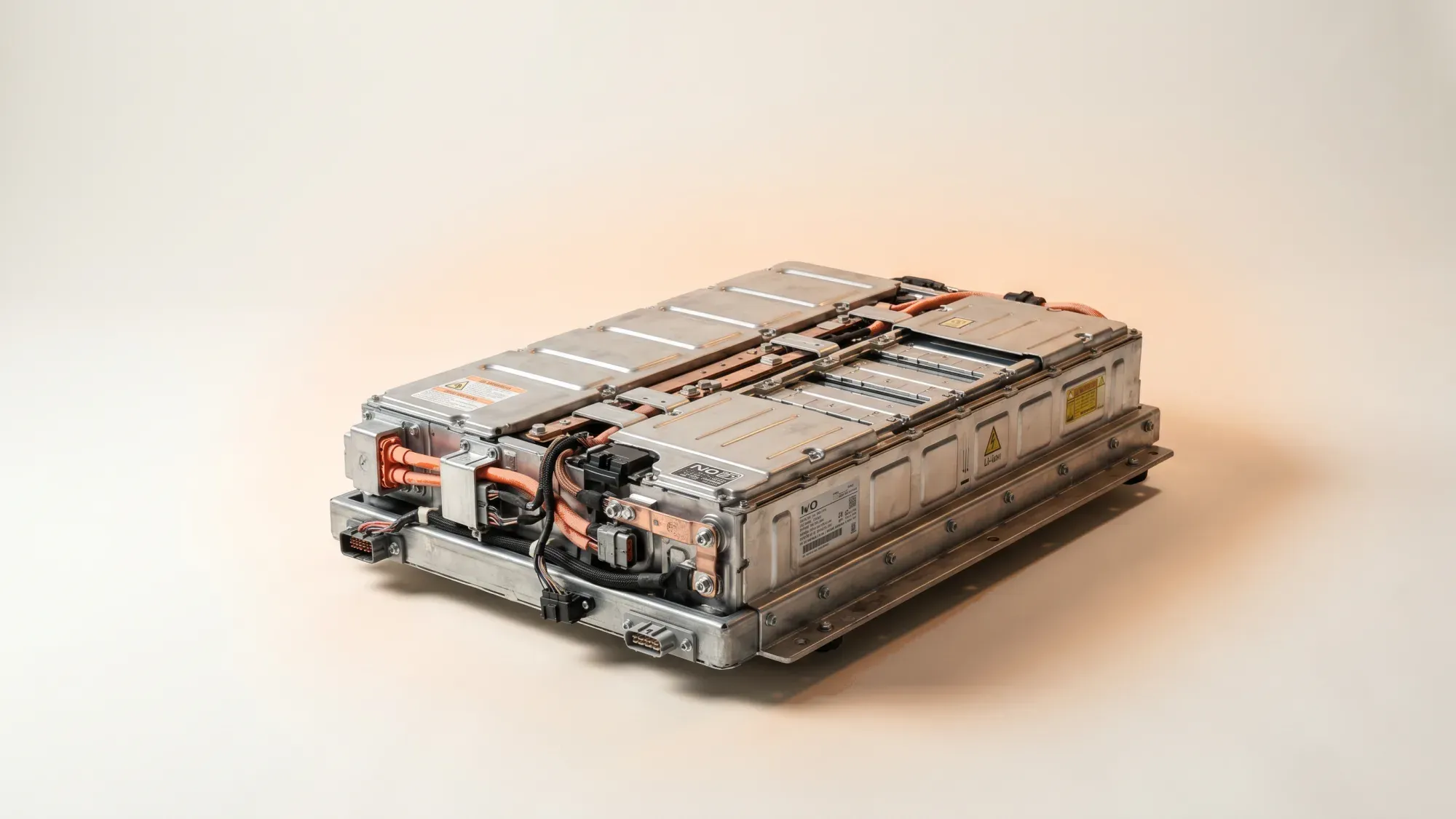
Electric car batteries are the core of any electric vehicle (EV), and understanding their lifespan, potential degradation, and replacement costs is crucial for UK owners and prospective buyers. While concerns about battery longevity and expense are common, modern EV batteries are designed for durability, supported by extensive warranties, and their performance can be optimised through smart care. This guide demystifies EV battery technology, offering practical advice to maximise your battery's life and minimise running costs.
Understanding your electric car battery
At the core of every electric vehicle lies its battery pack, a sophisticated piece of engineering that powers the car. Knowing the basics of what is inside and how it works can help you better understand its care requirements.
What is inside an EV battery?
The vast majority of electric car batteries today are lithium-ion (Li-ion) batteries. These are similar in chemistry to the batteries found in your mobile phone or laptop, but on a much larger scale. An EV battery pack consists of thousands of individual cells grouped into modules, which are then assembled into a larger pack. This design allows for high energy density, meaning more power can be stored in a smaller, lighter package.
How do electric car batteries work?
Electric car batteries store electrical energy as chemical energy. When you drive, this chemical energy is converted back into electrical energy, which powers the electric motor. When you charge your EV, the process reverses: electrical energy from the grid is converted into chemical energy and stored in the battery. A sophisticated Battery Management System (BMS) constantly monitors and controls the flow of energy, ensuring optimal performance and safety.
Types of electric vehicle batteries
While lithium-ion is the dominant chemistry, there are variations. Common types include Nickel Manganese Cobalt (NMC) and Lithium Iron Phosphate (LFP). NMC batteries typically offer higher energy density, leading to longer ranges, while LFP batteries are often praised for their longer cycle life and enhanced safety. The choice of battery chemistry depends on the vehicle's intended use and manufacturer priorities.
Electric car battery lifespan and degradation
One of the most frequently asked questions by EV owners and potential buyers is how long the battery will last and what happens as it ages.
How long do electric car batteries last?
The average lifespan of an electric car battery is typically 10-20 years and often well beyond 100,000 miles, with many lasting 150,000-200,000 miles before significant capacity loss occurs. This means most EV batteries are expected to outlast the typical ownership period of a vehicle. While performance gradually degrades over time, it is rare for an EV battery to fail completely within this timeframe.
Factors affecting battery life
Several factors can influence the rate at which an EV battery degrades:
- Charging habits: Frequently using rapid chargers or consistently charging to 100% can put more stress on the battery.
- Climate: Extreme temperatures, particularly prolonged exposure to very hot or very cold conditions, can accelerate degradation.
- Driving style: Aggressive driving, with frequent hard acceleration and braking, can also contribute to faster wear.
- Mileage: Higher mileage naturally means more charge and discharge cycles, which contributes to degradation over time.
Understanding battery degradation
Battery degradation refers to the natural, irreversible loss of capacity and power that occurs over the battery's lifetime. It is a gradual process, not a sudden failure. Most manufacturers consider a battery healthy as long as it retains a certain percentage of its original capacity, with 70% often being the threshold for warranty claims. Modern EVs often have a buffer at the top and bottom of the battery's usable capacity, meaning you are not actually charging to a "true" 100% or discharging to 0%, which helps to mitigate degradation.
Optimising electric car battery health and charging
Adopting smart charging practices and understanding your vehicle's systems can significantly extend the life and efficiency of your EV battery.
Smart charging practices for longevity
To keep your EV battery in top condition, consider these practices:
- Avoid frequent full charges: For daily driving, aim to charge your battery to around 80%. Only charge to 100% when you need the full range for a long journey.
- Avoid deep discharges: Try not to let your battery level drop below 20% regularly.
- Minimise rapid charging: While convenient, frequent rapid charging generates more heat and can stress the battery. Use it when necessary, but rely on slower AC charging for routine top-ups.
- Pre-condition your battery: Many EVs allow you to pre-condition the battery while still plugged in, especially in cold weather. This brings the battery to an optimal operating temperature before driving or charging, reducing stress.
The role of battery Management systems
Every EV is equipped with a sophisticated BMS. This system constantly monitors individual cells within the battery pack, balancing their charge, managing temperature, and preventing overcharging or over-discharging. The BMS is crucial for both the safety and longevity of your battery, working in the background to protect your investment. For more information on how smart technology can help, you might find our guide on smart meter installation useful.
Charging at home: cost and convenience
Charging your EV at home is often the most convenient and cost-effective option. The average UK home uses around 2,500 kWh of electricity per year, according to Ofgem's medium Typical Domestic Consumption Value (TDCV) effective from 1 July 2026. Under the Ofgem Price Cap for 1 July to 30 September 2026, the electricity unit rate for a Direct Debit household is 26.11p per kWh (inclusive of 5% VAT). By leveraging smart charging and off-peak tariffs, you can significantly reduce your running costs. You can learn more about optimising your charging setup in our article on electric car charging at home.
How can smart charging reduce my EV running costs?
Smart charging allows you to schedule your EV to charge during off-peak hours when electricity is cheaper, often overnight. This not only lowers your energy bills but also reduces strain on the grid and can contribute to better battery health by avoiding high-demand charging. Fuse's app and smart tariffs can help EV owners manage their charging to align with cheaper off-peak rates.
Electric car battery replacement and warranties
While EV batteries are designed to last, understanding replacement costs and warranty coverage is essential for peace of mind.
How much does an electric car battery replacement cost?
The cost of replacing an electric car battery in the UK can range significantly, often between £5,000 and £20,000, depending on the vehicle model and battery capacity. For premium EVs, costs can exceed £15,000. This can seem substantial, but it is important to consider this in the context of the battery's expected lifespan and warranty coverage.
Manufacturer warranties explained
Most electric vehicle manufacturers offer a battery warranty of at least 8 years or 100,000 miles, whichever comes first. This typically guarantees a minimum of 70% of the original capacity.1 This means that if your battery degrades beyond the guaranteed threshold within the warranty period, the manufacturer will repair or replace it at no cost to you. These warranties are typically mandated for a minimum duration to ensure consumer confidence.
Options for battery repair or replacement in the UK
Should your EV battery require attention outside of warranty, options are emerging in the UK. Beyond full replacement, some specialists now offer battery repair services, which can be a more cost-effective solution for specific issues. As the EV market matures, the infrastructure for battery diagnostics, repair, and replacement is also developing, aiming to provide more accessible and affordable services.
The future of electric vehicle batteries
The technology behind EV batteries is constantly evolving, promising even better performance and sustainability in the years to come.
Advancements in battery technology
Research and development are focused on improving energy density, reducing charging times, and enhancing battery longevity. Innovations like solid-state batteries, which could offer greater range and faster charging, are on the horizon. These advancements aim to make EVs even more appealing and practical for a wider range of drivers.
Recycling and sustainability of EV batteries
The environmental impact of EV batteries is a key consideration. The UK government encourages the development of EV battery recycling infrastructure to support sustainability goals. As more EVs reach the end of their life, efficient recycling processes will become increasingly important to recover valuable materials and minimise waste. This closed-loop approach ensures that EV batteries contribute to a more sustainable future.
Managing your home energy and EV charging should be simple and transparent. Fuse Energy provides clear pricing, real-time usage data through our app, and 24/7 human customer support. Our smart tariffs are designed to help you make the most of off-peak charging, reducing your running costs and supporting a greener grid. Switching to Fuse is quick and easy, allowing you to take control of your energy bills from day one. Find out more about our mission to make energy abundant and affordable here.
References
- Thurlow Nunn. [EV Battery Lifespan UK | Range, Charging & Warranty Explained](https://www.thurlow Nunn.co.UK/blog/EV-battery-lifespan-UK-range-charging-warranty-explained/)
Disclaimer
For the avoidance of doubt, this article is provided for informational purposes only and is not intended to constitute legal or financial advice. The author and/or Fuse Energy shall not be responsible for any losses arising out of any reliance on the information contained herein.