Improving savings through modern Economy 7 tariffs
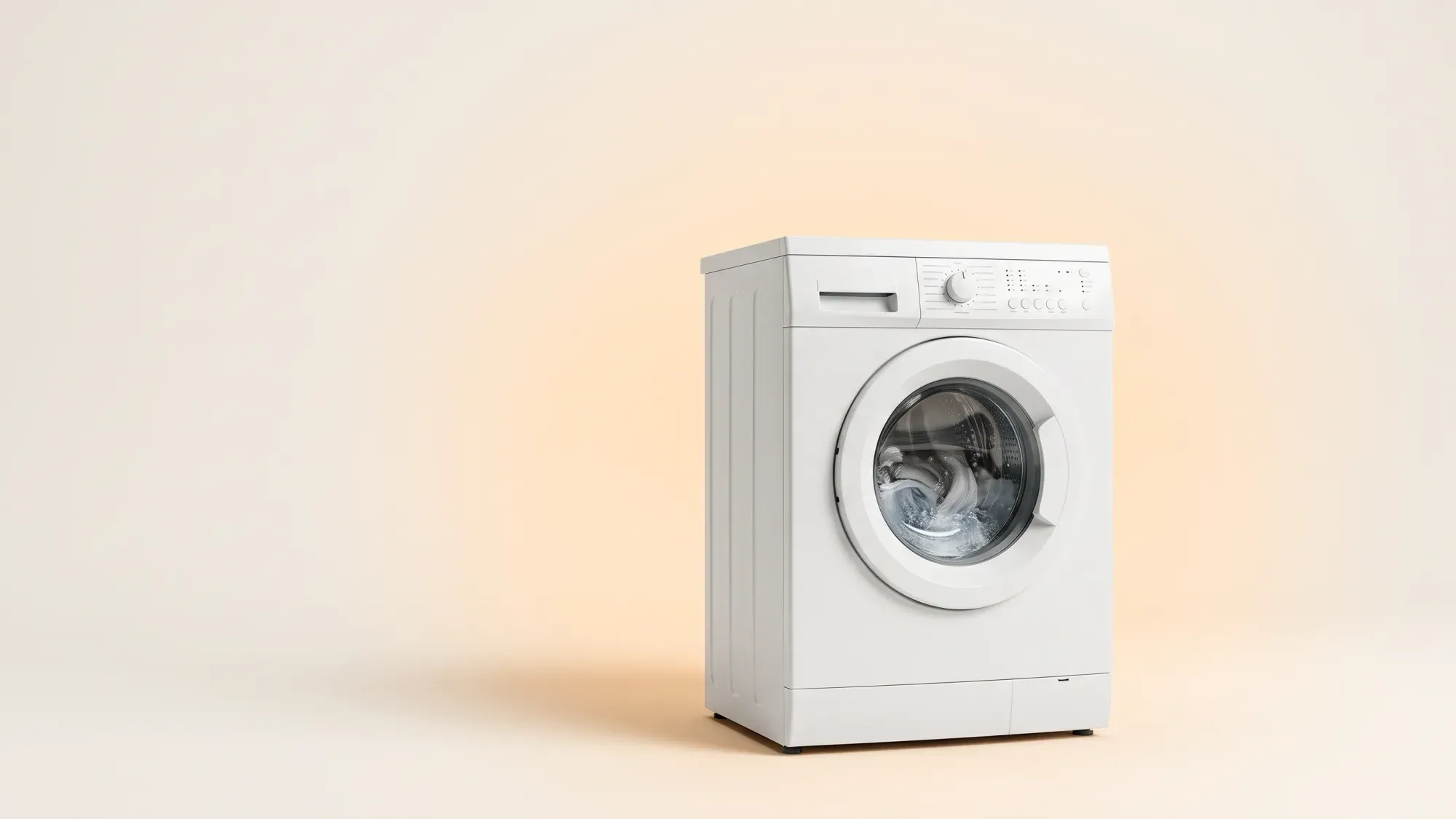
For many UK bill-payers, the Economy 7 tariff has long been the backbone of affordable home heating. This off-peak system, which offers cheaper electricity during a seven-hour off-peak night window, is specifically designed to work in harmony with electric storage heaters and nighttime washing machine runs. This guide explores how modern Economy 7 tariffs work.
Take the stress out of finding the right tariff. With Fuse Energy, we'll help you choose the best option for your home; simple, clear, and tailored to you. Enjoy transparent pricing, real-time half-hourly usage data, 24/7 human customer support, and a modern energy experience designed around you. Switch to Fuse Energy today in as little as 3 minutes, start saving on your bills, and see how simple energy can be.
Enter your address to get a quote and see how much you could save
A quick checklist to understand your tariff
- Contact your supplier or check your account to see if an Economy 7 tariff would benefit you.
- Identify the specific seven-hour off-peak window during which your supplier provides off-peak rates.
- Consider how a smart meter upgrade could automate your savings.
Is Economy 7 still the right tariff for home heating?
Economy 7 operates on a simple but effective principle of time-of-use billing. By providing a lower off-peak rate during the night, it allows you to run high-load appliances and charge-up storage heaters at a fraction of the normal cost. If you'd like to learn more about cheap Economy 7 tariffs, check out this blog.
The critical factor in determining if this tariff remains your best option is the 40% threshold. To offset the higher peak rate charged during the day, a household typically needs to shift at least 40% of its total electricity consumption to the off-peak night hours. If your lifestyle has changed or you find yourself using more appliances during the day, you might actually be overpaying. Fuse Energy helps remove this guesswork by providing clear communication and tools to help you decide if Economy 7 still aligns with your household habits.
Maximising Economy 7 savings
The most common pitfall for Economy 7 users is falling into the "peak rate trap", where daytime electricity costs spiral due to the premium price charged outside of the off-peak window. While the tariff offers great value at night, the daytime rates are often higher than those of a standard single-rate plan. This means that every load of laundry or dishwasher cycle run outside of Economy 7 hours is costing you more than it should.
To truly master your energy bills, you must be disciplined with appliance timing. Setting energy-demanding appliances to run only during your specific seven-hour window, usually between 12:30am and 7:30am, is the most effective way to protect your budget. Unlike some traditional suppliers who leave you to track these hours manually, Fuse Energy provides dedicated digital tools to help you monitor your usage in real-time, ensuring you never accidentally drift into expensive peak-time usage.
Master your storage heater controls for all-day comfort
Older electric storage heaters are the heart of an Economy 7 home, but they require careful calibration to work effectively. Many homeowners struggle with manual controls, leading to heaters that either run out of warmth by early evening or waste energy by charging too much on milder nights. Understanding the relationship between "input" and "output" is essential for maintaining a comfortable home without overspending.
Adjusting input and output settings
The "input" setting controls how much heat the internal bricks store overnight, while the "output" or "boost" determines how quickly that heat is released. To manage this effectively, follow these steps:
- Check the weather forecast each evening to decide if you'll need heating the next day.
- Adjust the "input" setting accordingly: set it higher on colder nights to store more heat, and lower during milder weather to avoid overheating and waste.
- Keep the "output" setting low during the day, especially when you are out or do not need much warmth, to conserve stored heat.
- Gradually increase the "output" in the evening when you are at home and want more heat, releasing the stored warmth when it is most needed.
The RTS switch-off
A significant change is coming for thousands of UK homeowners who rely on the Radio Teleswitch (RTS) signal. This legacy technology has traditionally told Economy 7 meters when to switch between rates and when to turn on storage heaters. However, the signal is being phased out1, which could leave older heating systems non-functional or stuck on expensive rates if action is not taken soon.
- Failing to upgrade could mean your storage heaters stop charging automatically
- Your meter may no longer be able to switch between day and night rates correctly
- You might lose the ability to accurately track your off-peak usage
Upgrading to a modern smart meter is not just a technical necessity; it can be a requirement for suppliers and a vital step in future-proofing your home. While some people may find the transition to "smart" technology intimidating, Fuse Energy specialises in making this process seamless. We provide a clear, modern, digital process for booking a free meter upgrade to a SMETS2 meter.
Why Fuse Energy may be a great option for you
Managing your energy tariff should be clear and easy to understand. Fuse Energy focuses on straightforward pricing, so you can see exactly what you're paying without unnecessary complexity. With some of the lowest rates on the market, our tariffs make an attractive choice for bill-payers in the UK. If you have a smart meter, you can also view detailed usage data through the app or website, helping you understand how your tariff translates into actual costs. This can make it easier to track spending and make informed decisions about your energy use. Our 24/7 human support team is always on hand with fast response times of under 5 minutes whenever you need help. Switch to Fuse Energy in as little as 3 minutes and find out about our mission.
Frequently asked questions
Can I have an Economy 7 smart meter?
Yes, modern smart meters are fully compatible with Economy 7 tariffs and are actually the recommended replacement for older RTS meters. A smart meter will automatically handle the switching between peak and off-peak rates, ensuring your billing remains accurate without the need for manual readings.
What is the difference between Economy 7 and Economy 10 tariffs?
While Economy 7 provides seven hours of off-peak electricity, usually in one block at night, Economy 10 provides ten hours spread across the night, afternoon, and evening. Economy 10 can be better for those who need a "top-up" of heat during the day, but the daytime rates are often even higher to compensate. See our Economy 10 guide for a full comparison.
How can I switch to Fuse Energy?
Switching to Fuse Energy and accessing Economy 7 tariffs is simple and can be done in as little as 3 minutes by completing the online onboarding process here.
References
Disclaimer
For the avoidance of doubt, this article is provided for informational purposes only and is not intended to constitute legal or financial advice. The author and/or Fuse Energy shall not be responsible for any losses arising out of any reliance on the information contained herein.