Economy 10 tariff explained
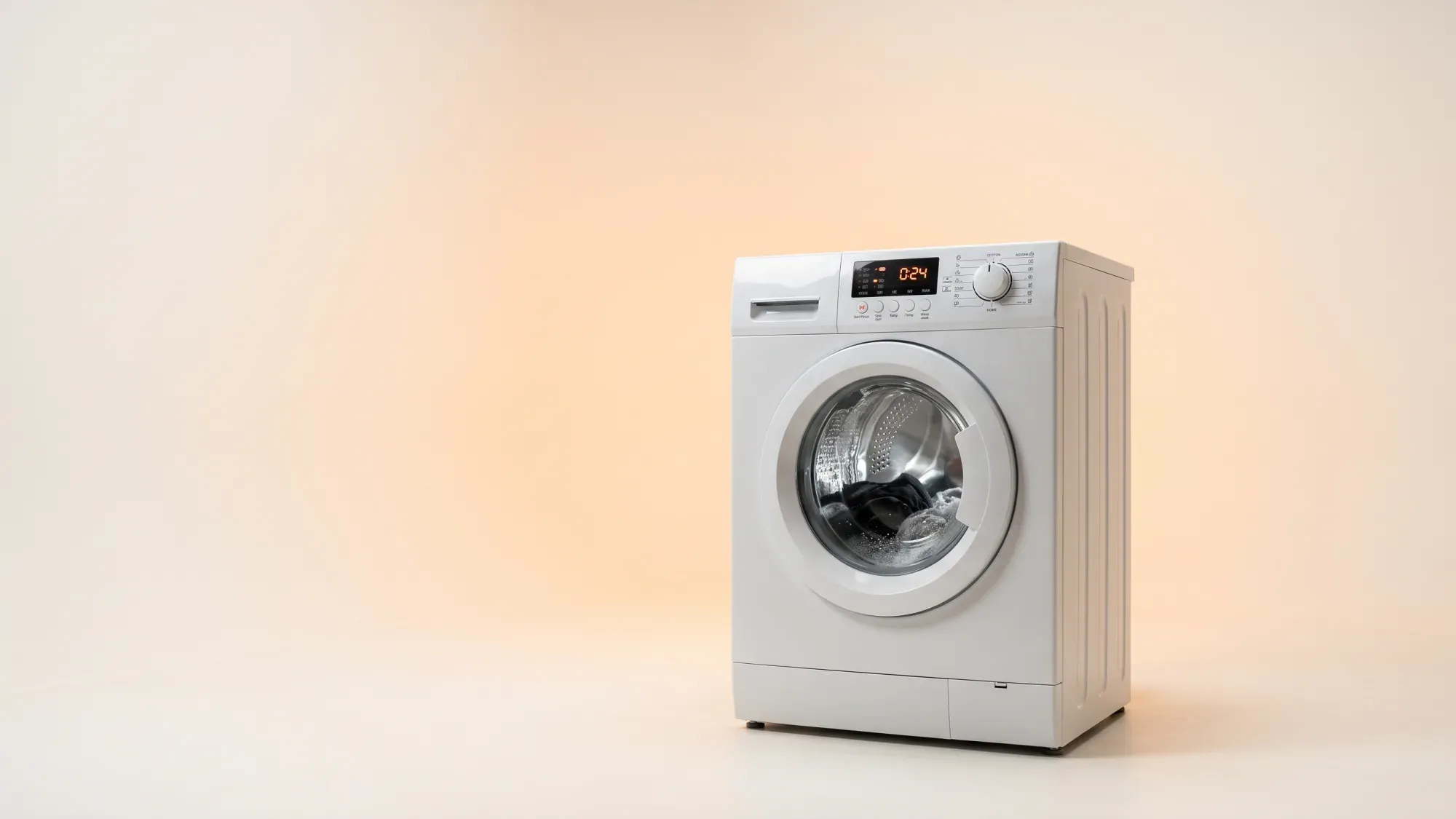
An Economy 10 tariff offers 10 hours of cheaper electricity, spread across three distinct periods within a 24-hour cycle. This system was designed to help households with high electricity consumption manage their bills. While once a popular option, its availability has significantly declined, with modern smart tariffs now offering more flexible and often more beneficial alternatives.
If you're looking to make the most of off-peak electricity, modern dual-rate tariffs are designed for today's homes. Discover how easy it is to switch to Fuse Energy and take control of your energy usage here.
Enter your address to get a quote and see how much you could save
What is an Economy 10 tariff?
Economy 10 is a multi-rate electricity tariff that provides a reduced unit rate for 10 hours of electricity consumption each day. Unlike a standard single-rate tariff, where you pay the same price per unit of electricity regardless of when you use it, Economy 10 differentiates between peak and off-peak hours. This structure encourages users to shift their electricity-intensive activities to the cheaper off-peak windows.
Understanding multi-rate electricity tariffs
Multi-rate tariffs, such as Economy 10, are designed to reflect the varying costs of generating and supplying electricity throughout the day. Electricity is generally more expensive to produce and deliver during periods of high demand (peak times) and cheaper during periods of low demand (off-peak times). By offering lower rates during these quieter periods, suppliers incentivise customers to balance the load on the National Grid.
The purpose of Economy 10
The Economy 10 tariff was primarily introduced to benefit households that rely heavily on electricity for heating, particularly those with electric storage heaters or electric hot water systems. These systems can be programmed to charge up during the cheaper off-peak hours, storing heat or hot water for use throughout the day, thereby reducing overall energy costs.
How Economy 10 works: off-peak hours and metering
To make the most of an Economy 10 tariff, understanding its specific off-peak windows and the type of meter required is crucial.
Typical Economy 10 time windows
Economy 10 typically provides 10 hours of cheaper electricity, usually split into three periods: a few hours in the afternoon, a longer overnight period, and a few hours in the morning. These exact timings can vary significantly by supplier and region, so it is important to check with your energy provider for the specific schedule applicable to your property.
The role of the Economy 10 meter
Eligibility for an Economy 10 tariff requires a specific multi-register meter. This type of meter, which can be either a traditional meter or a smart meter, tracks your electricity consumption separately for peak and off-peak periods. This ensures you are charged the correct rate for the energy used at different times. Without a compatible meter configuration, an Economy 10 tariff cannot be accurately applied.
Who benefits from an Economy 10 tariff?
Economy 10 tariffs are not for everyone. They are most advantageous for specific types of households with particular energy consumption patterns.
Homes with electric heating and storage heaters
Households that rely on electric heating, particularly those with storage heaters or electric hot water tanks, are the primary beneficiaries of Economy 10. These systems can be programmed to draw power during the cheaper off-peak hours, storing energy as heat or hot water for use later. This allows homeowners to effectively 'pre-charge' their heating at a lower cost, significantly reducing their heating bills compared to using standard-rate electricity.
High electricity consumption households
Beyond heating, any household with consistently high electricity consumption, especially if they can shift a significant portion of that usage to off-peak times, might find Economy 10 beneficial. This could include homes with electric vehicle (EV) charging needs, though dedicated EV charging at home tariffs are often more suitable, or those who can schedule appliances like washing machines, tumble dryers, and dishwashers to run during the cheaper windows.
Economy 10 vs Economy 7: key differences
Economy 10 and Economy 7 are both multi-rate tariffs, but they differ significantly in their structure and suitability.
Comparing off-peak hours and flexibility
The most obvious difference is the number of off-peak hours: Economy 10 offers 10 hours, while Economy 7 provides 7 hours. Crucially, Economy 10 spreads its off-peak hours across the day, typically including periods in the afternoon, overnight, and morning. This makes it potentially more flexible for daytime electric heating use or for households that need to run appliances at various times. Economy 7, on the other hand, concentrates its 7 off-peak hours into a single, continuous overnight block. This makes it highly effective for storage heaters that can charge fully overnight, but less flexible for other high-consumption activities during the day.
Suitability for different lifestyles
Economy 7 is best suited for households that can genuinely shift almost all their high electricity usage to the overnight period. If you have modern, efficient storage heaters and can program all your major appliances to run during its off-peak window, Economy 7 might offer significant savings. Economy 10, with its more distributed off-peak windows, offers greater flexibility. This can be particularly useful for older storage heaters that might benefit from a top-up charge in the afternoon, or for households where an overnight-only schedule is impractical. However, the peak rates on Economy 10 are often higher than standard single-rate tariffs, so careful management of energy use is essential to avoid higher bills.
Availability and the future of Economy 10
The energy landscape is constantly evolving, and this has had a significant impact on the availability and future of Economy 10 tariffs.
Current availability from UK suppliers
Many energy suppliers have withdrawn Economy 10 tariffs for new customers, with modern smart meters and time-of-use tariffs becoming the preferred alternative. While some existing customers might still be on an Economy 10 tariff, finding a new supplier offering it can be challenging. The focus has shifted towards more dynamic and flexible tariffs enabled by smart meter technology.
The impact of smart meters and legacy meter phase-outs
Smart meters are crucial for accessing modern time-of-use tariffs, which offer similar benefits to Economy 10 but with greater flexibility. The industry-wide phase-out of the Radio Teleswitch Service (RTS) from 30 June 2025 impacts legacy multi-rate meters, requiring replacement with smart meters. This means that older Economy 10 meters, which often relied on RTS signals to switch between peak and off-peak rates, are being replaced. If you have an RTS meter, your current supplier will replace it with a smart meter free of charge. Once you have a smart meter, you can explore the benefits of modern smart tariffs.
What is RTS?
RTS is a legacy system that uses longwave radio signals to switch between peak and off-peak rates on older multi-rate electricity meters. It is being phased out across the UK, with the service ending from 30 June 2025, requiring affected meters to be replaced with smart meters.
Modern alternatives: smart tariffs and flexible energy management
As Economy 10 tariffs become less common, modern smart tariffs are stepping in to offer similar, and often superior, benefits for managing energy use and costs.
The evolution of time-of-use tariffs
Modern time-of-use tariffs, enabled by smart meters, are the evolution of multi-rate tariffs like Economy 10. These tariffs offer even greater flexibility and often more granular pricing periods, allowing for more precise optimisation of energy consumption. Instead of fixed, broad windows, some smart tariffs can have varying rates throughout the day, sometimes changing every half-hour, reflecting real-time wholesale electricity prices. This allows households to take advantage of periods when renewable energy generation is high and prices are low.
Maximising savings with smart meters and apps
Smart meters are the gateway to these modern time-of-use tariffs, providing accurate, real-time data on your energy consumption. This data, often accessible through supplier apps, gives you the transparency and control needed to maximise savings. You can see exactly when electricity is cheapest and adjust your usage accordingly, whether that's programming your EV to charge during the lowest-cost window or running your washing machine when the grid is greenest. Fuse Energy's vision of 'power to play with' aligns with this desire to optimise energy usage and reduce bills, offering modern solutions that evolve the concept of Economy 10. Choosing Fuse for modern dual-rate tariffs shifts the balance of power into the customer's hands, enabling them to control their energy consumption and costs more effectively than with rigid legacy tariffs. Fuse's app and smart meter integration provide the transparency and control necessary to maximise savings on dual-rate tariffs, fulfilling the original intent of Economy 10 with greater flexibility. Fuse also offers free smart meter installation for customers with manual meters once their supply is active, enabling access to these beneficial modern tariffs.
Ready to take control of your energy usage with modern, flexible tariffs? Fuse Energy offers clear pricing, real-time usage data through our app, and 24/7 human customer support. Switching is quick and easy, helping you manage your bills more effectively. Click here to switch to Fuse Energy today and start your journey towards smarter energy management. You can also learn more about our mission to make energy abundant by clicking here.
Disclaimer
For the avoidance of doubt, this article is provided for informational purposes only and is not intended to constitute legal or financial advice. The author and/or Fuse Energy shall not be responsible for any losses arising out of any reliance on the information contained herein.