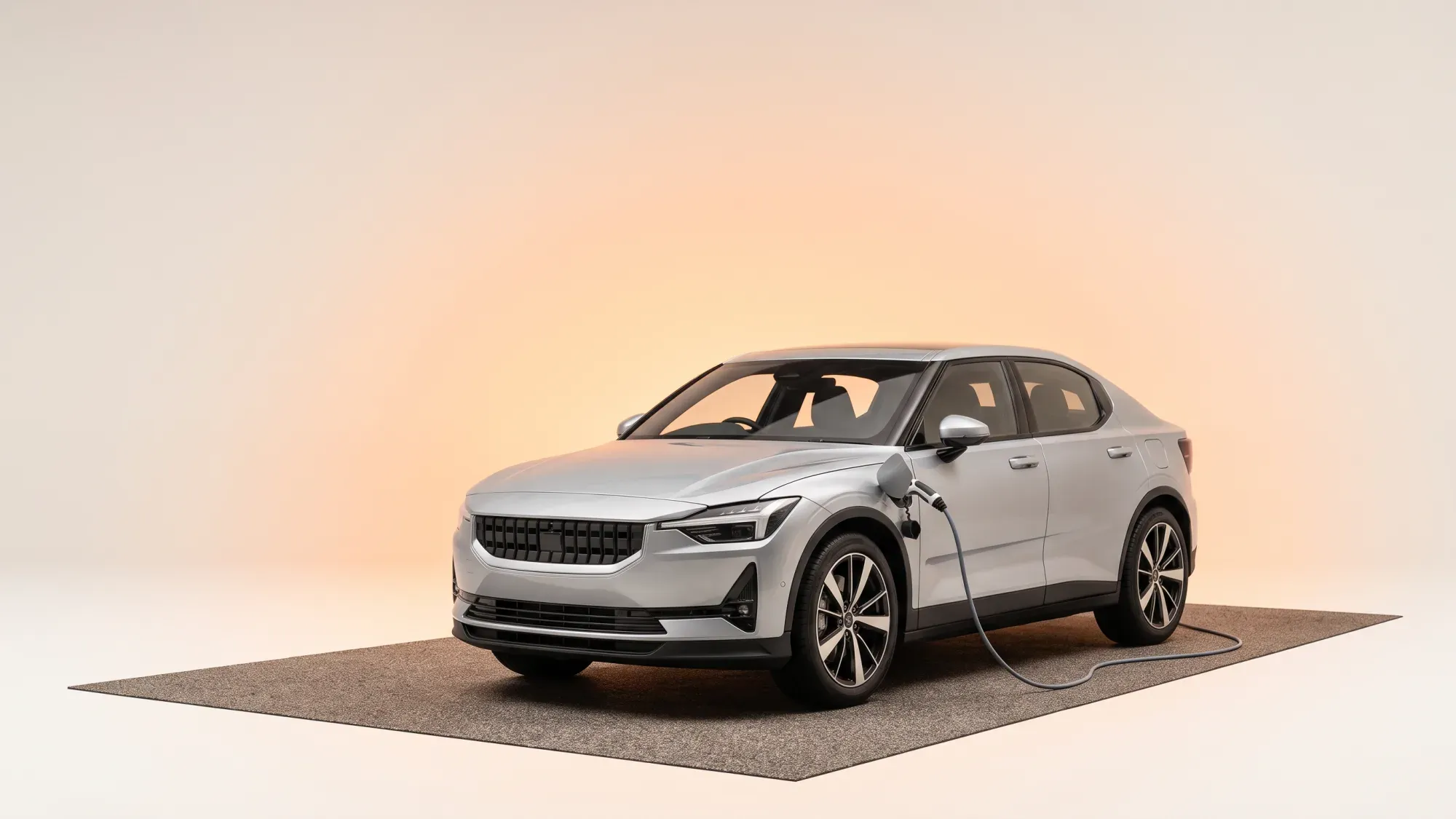
Charging an electric car in the UK can be significantly cheaper than fuelling a petrol or diesel vehicle, but the actual cost varies widely depending on where and when you charge. Understanding these differences and how to optimise your charging habits is key to maximising savings. Home charging, particularly with an off-peak electricity tariff, often offers the most cost-effective solution for many electric vehicle (EV) owners.
Fuse Energy helps you take control of your EV charging costs. With transparent app control and smart tariffs, we offer data-backed strategies and technology to rigorously optimise your charging, moving beyond a scarcity mindset to a future with power to play with. Click here to switch to Fuse Energy today.
The cost of powering an electric vehicle is measured in pence per kilowatt-hour (kWh), similar to how petrol is priced per litre. This unit rate forms the basis of your charging bill, but several factors influence the final price you pay.
The basics of EV charging and pricing
Electric vehicle charging costs are primarily determined by the price of electricity per kilowatt-hour (kWh) and the size of your car's battery. A larger battery requires more kWh to fill, thus increasing the total cost. For instance, fully charging a typical EV battery on a standard household tariff might cost a certain amount, while a smaller battery would cost less.
Why charging costs vary significantly
Charging costs differ greatly based on location and charger speed. Home charging is generally the most economical, while public rapid chargers are considerably more expensive. This disparity is due to factors like VAT rates (5% for home electricity versus 20% for public charging), commercial electricity prices not being subject to the same caps as domestic rates, and the capital investment required for public charging infrastructure.
Around 80% of EV drivers in the UK charge at home, and for good reason: it is significantly cheaper than public alternatives.
Calculating the cost to charge an electric car at home
The cost to charge an electric car at home depends on your electricity tariff and the size of your vehicle's battery. On a Standard Variable Tariff under the energy price cap, electricity currently costs around 26.11p per kWh from 1 July to 30 September 2026. This means charging an EV from empty to full will vary depending on its battery capacity. Smaller cars will naturally cost less to charge fully, while larger EVs will incur higher costs.
The benefits of smart tariffs and off-peak charging
Smart tariffs, often called time-of-use tariffs, offer cheaper electricity rates during off-peak hours, typically overnight. Utilising these rates can drastically reduce home charging costs, making a full recharge for an EV battery significantly more economical compared to charging during peak times.
How much to charge an electric car at home per month
For a typical EV driver, home charging alone could cost a modest amount per month. This calculation assumes efficient charging practices, primarily using off-peak rates. The average UK home uses around 2,700 kWh of electricity per year, with a medium-sized, three-bedroom house typically consuming this amount.
While home charging is ideal for daily use, public charging networks are essential for longer journeys and when home charging isn't an option. However, these often come with a higher price tag.
Rapid, fast, and slow charging costs
Public charging costs vary significantly by charger speed. Slow and fast chargers, often found on residential streets or in supermarket car parks, had a weighted average pay-as-you-go (PAYG) price of 54p per kWh in March 2026. Rapid and ultra-rapid chargers, common at motorway services and charging hubs, averaged 76p per kWh for PAYG in the same period. Some networks can charge up to £0.92 per kWh.
Subscription models versus pay-as-you-go
Many public charging networks offer subscription models that can reduce the per-kWh cost compared to PAYG rates. For instance, a BP Pulse subscription might save over 20% on contactless rates. These subscriptions can be beneficial for frequent users of a specific network, but it is worth comparing the monthly fee against your potential savings.
Finding the best value public EV charging
Prices for rapid and ultra-rapid charging can range from approximately 57p/kWh up to 89p/kWh, depending on the network. Some networks, like Tesla Superchargers, offer competitive rates, with an average price of 61p/kWh for non-Tesla drivers and even lower for Tesla owners. Roaming apps like Bonnet or Octopus Electroverse can sometimes offer better rates than paying directly at each network. Free chargers are also available at some supermarkets, gyms, and hotels, typically offering slower charging speeds.
Your overall EV charging bill is a dynamic figure, shaped by several interconnected elements.
Electric vehicle battery size and efficiency
The larger your EV's battery, the more electricity it needs for a full charge, directly impacting the cost. Vehicle efficiency, measured in miles per kWh, also plays a crucial role. A more efficient EV will travel further on the same amount of electricity, reducing your cost per mile. Understanding what a kilowatt-hour (kWh) is can help you better grasp these figures.
Your electricity tariff and supplier
The unit rate you pay for electricity is arguably the most significant factor. Opting for a dual-rate variable tariff with off-peak rates can dramatically lower your home charging expenses. Even on a standard tariff, the energy price cap sets a maximum unit cost, influencing your baseline expenditure. For more details, you can learn about understanding your energy bill.
Driving habits and charging frequency
How often you drive and how frequently you charge directly affect your overall consumption. High mileage drivers will naturally incur higher charging costs. However, consistently charging at home during off-peak hours can mitigate these expenses, even for those who drive a lot.
Taking control of your EV charging costs is a power play. By making informed choices and leveraging available technology, you can significantly reduce your expenditure.
Leveraging smart charging technology
Smart charging allows you to schedule your EV to charge automatically during off-peak hours when electricity is cheaper. This technology often integrates with your energy supplier's app, giving you clear visibility and control over your charging schedule and costs. It helps shift the balance of power into your hands, making energy more manageable. If you don't have one, consider a smart meter installation to unlock these benefits.
Choosing the right energy tariff
Selecting an energy tariff with attractive off-peak rates is paramount. These tariffs can offer very low rates during designated periods, making home charging incredibly economical. Regularly reviewing your tariff ensures you are always on the best deal for your usage patterns.
Optimising public charging usage
Public charging should ideally be reserved for longer journeys or when home charging isn't feasible. When using public chargers, compare prices across different networks and consider subscription models if you frequently use a particular provider. Utilising free chargers where available can also contribute to savings.
Comparing EV charging costs to petrol
Charging an EV at home is consistently cheaper than fuelling a petrol car. Even with standard home tariffs, an EV can cost significantly less per mile than a petrol or diesel car. While public rapid charging can sometimes rival petrol costs, the overall running costs of an EV, especially with smart home charging, remain substantially lower.
The landscape of EV charging is continuously evolving, with innovations aimed at making it even more convenient and cost-effective.
Innovations in charging technology
Advances in battery technology are leading to more efficient vehicles and faster charging times. Wireless charging and vehicle-to-grid (V2G) technology, which allows EVs to feed electricity back into the grid during peak demand, are also on the horizon. These innovations promise to further integrate EVs into the energy ecosystem, creating new opportunities for cost savings and grid stability.
The role of smart energy solutions in cost control
The future of EV charging costs lies in smart energy solutions. Energy providers are developing smart tariffs and app integrations that give customers unprecedented control and transparency over their energy use. This allows for rigorous optimisation of charging times, ensuring you always pay the lowest possible price. It's a future where energy is so abundant and manageable that EV charging costs stop being a concern, empowering you with the power to play with your energy usage.
Managing your home energy should be clear and easy. Fuse Energy focuses on straightforward pricing, so you can see exactly what you're paying without unnecessary complexity. If you have a smart meter, you can view detailed usage data through the app or website, helping you understand how you can lower your bills. If you don't have a smart meter, Fuse Energy can upgrade your non-smart meter, completely for free. Our 24/7 human support team is always on hand with fast response times whenever you need help. Click here to switch to Fuse Energy today. Find out about our mission by clicking here.