Compare energy suppliers without the fluff
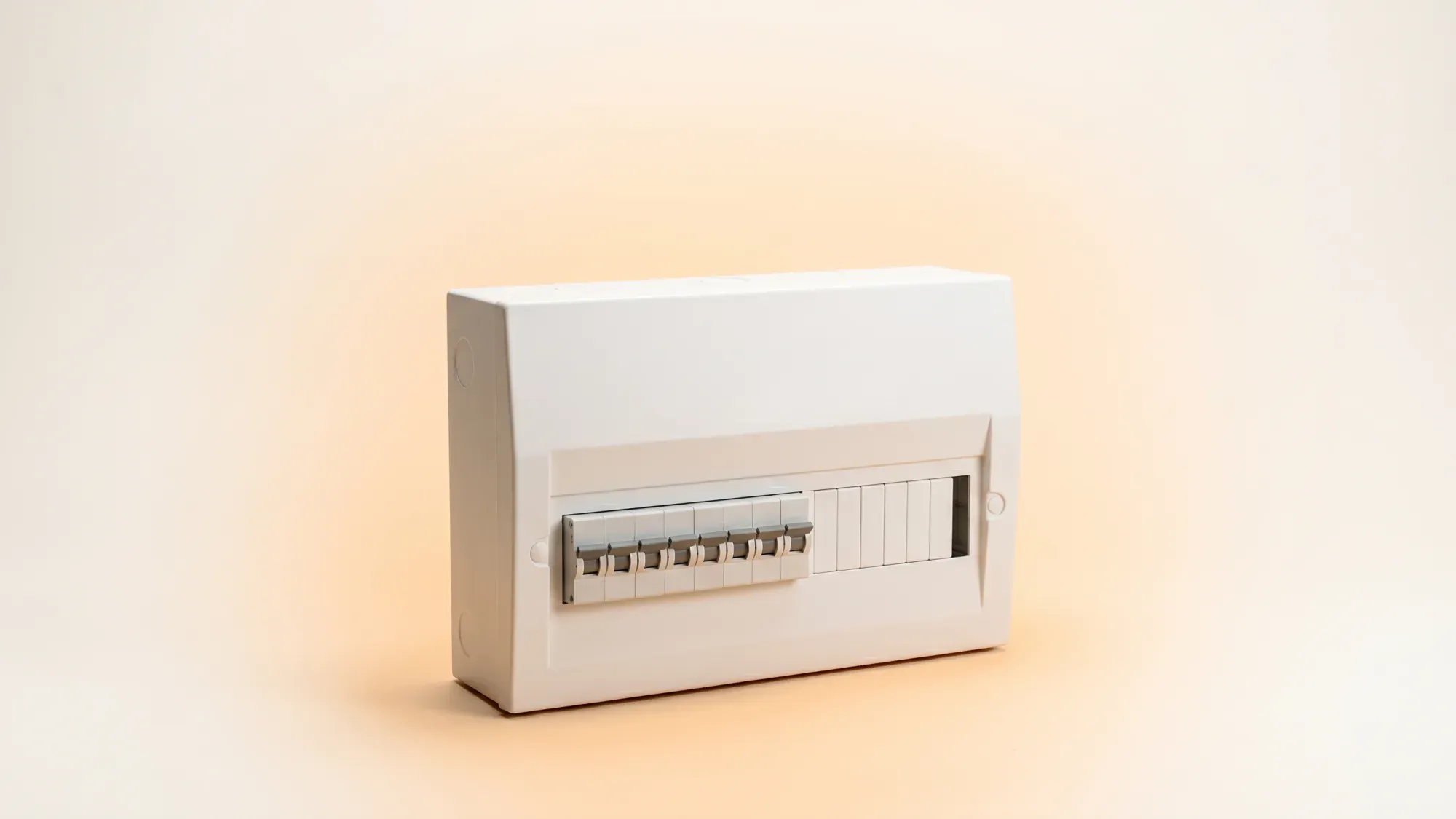
Comparing energy suppliers can feel like a chore, a transactional search for the lowest price. However, understanding the energy market and your options empowers you to make an informed decision that aligns with your household's needs and values. This guide will help you navigate the complexities of switching energy suppliers effectively.
Comparing energy suppliers is about finding the right fit for your home. Fuse Energy offers clear pricing, real-time usage data, and 24/7 human support to make that choice simple. Click here to switch to Fuse Energy today.
Enter your address to get a quote and see how much you could save
Understanding the energy market
The UK energy market is regulated by Ofgem, The Independent energy regulator for Great Britain, which protects consumer interests and ensures fair practices. This regulatory framework provides you with specific rights and protections when engaging with energy suppliers.
Ofgem's role and consumer rights
Ofgem, the Office of Gas and Electricity Markets, is responsible for overseeing the gas and electricity markets in Great Britain. Their role is to protect consumers, promote competition, and ensure a secure, sustainable, and affordable energy system. This includes setting rules for how energy companies operate and taking action when those rules are not followed.
One crucial consumer right is the 14-day cooling-off period. This period starts from the switch-in date - the day your energy supply begins with your new supplier - during which you can cancel your contract without penalty.
Fixed vs variable tariffs: what's the difference?
Energy suppliers offer various tariffs, broadly categorised as fixed or variable rates.
A fixed-rate tariff locks in your unit rate for electricity and gas for a set period, usually between 12 and 18 months. This provides price stability, protecting you from sudden market fluctuations. However, these tariffs may include exit fees if you decide to leave before the contract ends, though you can often switch without penalty in the final 49 days of your contract. While fixed and variable are common, some suppliers also offer more dynamic options like agile pricing, where rates change more frequently based on wholesale costs.
A variable-rate tariff, also known as a Standard Variable Tariff (SVT), means your unit rates can go up or down depending on the energy market. These tariffs typically do not have exit fees, offering more flexibility to switch at any time. Most variable tariffs are subject to the Energy Price Cap.
The energy price cap explained
The Energy Price Cap, set by Ofgem, limits the maximum amount energy suppliers can charge for each unit of gas and electricity, as well as the daily standing charge, if you are on a SVT. It was introduced to protect households from being overcharged, particularly those who do not regularly switch suppliers.
Does the Energy Price Cap limit my total bill?
No, the Energy Price Cap does not limit your total energy bill. It sets a maximum price for each unit of gas and electricity you use and for the daily standing charge. Your overall bill will still depend on how much energy you consume.
The cap is reviewed every three months by Ofgem and can change based on wholesale energy costs, network charges, operating costs, and government policies. It applies to SVTs in England, Scotland, and Wales. If you are on a fixed-term tariff, the price cap does not apply to your rates.
Key factors when you compare energy suppliers
When you compare energy supplier options, looking beyond just the headline price is crucial. A comprehensive approach ensures you find a deal that truly suits your needs.
Price and tariff structure
The most obvious factor is the price you pay for your gas and electricity. This includes the unit rate (pence per kilowatt-hour, p/kWh) and the daily standing charge. Always compare these two elements, as a low unit rate might be offset by a high standing charge, or vice versa. Consider whether a fixed or variable tariff aligns better with your preference for price stability or flexibility.
Customer service and support
Good customer service can make a significant difference, especially if you encounter issues with billing, meter readings, or your supply. Research supplier reputations and read reviews to gauge their customer support quality. A supplier with accessible and helpful support can provide peace of mind.
Contract length and exit fees
Fixed tariffs come with a contract length, usually between 12 and 18 months. Be aware of any exit fees that may apply if you decide to leave before the contract ends. Variable tariffs usually have no exit fees, offering greater freedom to switch whenever a better deal emerges.
Green energy options and fuel mix
Many suppliers offer green tariffs, which aim to source energy from renewable sources like wind and solar. If environmental impact is important to you, investigate the supplier's fuel mix and their commitment to renewable energy generation. Some tariffs might be "green" through offsetting, while others directly invest in renewable projects.
Supplier reputation and reviews
Beyond price, a supplier's overall reputation matters. Look for independent reviews and customer satisfaction ratings. These can offer insights into their billing accuracy, complaint handling, and general reliability.
Your step-by-step guide to switching energy suppliers
Switching energy suppliers is a straightforward process designed to be quick and hassle-free.
Gather your information
Before you start comparing, have a recent energy bill to hand. This will provide essential information, including:
- Your current supplier's name
- Your current tariff name
- Your annual energy consumption in kilowatt-hours (kWh) for both gas and electricity
- Your meter type (e.g., standard, smart, prepayment)
- Your postcode
Knowing your actual usage is vital for accurate comparisons, as average consumption figures can vary.
Use a comparison tool
Once you have your details, use a reputable energy comparison website. These tools allow you to input your information and quickly see a range of tariffs from different suppliers, making it easy to compare electric and gas deals side-by-side.
Review and choose your new supplier
Carefully review the tariff details for each option. Look at:
- Unit rates and standing charges: The cost per unit and the daily fixed charge.
- Contract length: How long you'll be tied into the deal.
- Exit fees: Any charges for leaving early.
- Payment methods: How you'll pay your bills.
- Customer service ratings: Independent reviews of the supplier's support.
Consider what matters most to you - whether it's the cheapest deal, excellent customer service, or a commitment to renewable energy.
Confirm your switch and cooling-off period
Once you've chosen a new supplier, they will handle the switching process with your old provider. The switch typically takes up to five working days. If your new supplier takes longer than five working days to switch you, they must pay you £40 compensation. Remember, you have a 14-day cooling-off period, starting from your switch-in date, during which you can cancel without penalty if you change your mind.
What happens after you switch?
Your new supplier will contact you with your switch date. If you have a smart meter, your new supplier will connect to it and automatically send readings to your old supplier for your final bill. If you have a manual meter, you should submit an opening meter reading to your new supplier within 5 days to ensure accurate billing. Your old supplier will then send you a final bill. If you had credit on your account, you will need to contact your previous supplier directly to arrange a refund.
Making an informed decision with Fuse Energy
Reframing energy comparison as an empowering 'power play' rather than a chore gives householders control and advantage. Fuse Energy is designed to put that power in your hands.
Transparent pricing and real-time data
Fuse's app provides clear pricing and real-time usage data, empowering you to make informed decisions and manage your energy proactively. This transparency helps you understand exactly what you're paying for and how your consumption habits affect your bills. Smart meters enable automated readings and eligibility for smart-meter-dependent tariff features, giving you even greater control over your energy usage. For example, understanding how an Aclara smart meter works can help you maximise these benefits.
24/7 human support: a different approach
Fuse Energy offers 24/7 human customer support. This means empathetic assistance is always available for any queries or difficulties you might encounter, providing crucial peace of mind. This commitment to accessible support addresses a key customer pain point, ensuring you're never left to navigate complex issues alone.
Embracing abundance: energy for more
Fuse reframes the energy narrative from scarcity to abundance, encouraging customers to choose a supplier that enables more, not less, in their lives. It's about having the power to play with, to live fully without constant "moral arithmetic" around energy consumption.
Frequently asked questions about comparing energy suppliers
Can i switch if i have a smart meter?
Yes, you can switch energy suppliers if you have a smart meter. Smart meters generally do not cause issues when switching, and they continue to provide accurate readings to your new supplier. In fact, smart meters enable automated readings and eligibility for smart-meter-dependent tariff features, offering you more control and potentially access to different tariffs.
What if i'm in debt to my current supplier?
If you have a prepayment meter and owe your current supplier up to £500 per fuel, you may be able to switch under the Debt Assignment Protocol (DAP) . This allows your new supplier to take on the debt, meaning you don't have to clear it before switching. For other situations, such as if you have a credit meter or owe more than £500, you will generally need to repay the debt before you can switch. If you are struggling with energy debt, contact your current supplier, as they are obliged to help you set up an affordable payment plan.
How often should i compare energy suppliers?
It's a good idea to compare energy suppliers regularly, especially if you are on a SVT, as these rates can change quarterly with the Energy Price Cap. If you are on a fixed-term contract, consider comparing options as your contract approaches its end, typically within the last 49 days to avoid exit fees. Regular comparisons ensure you are always on a deal that offers good value and suits your household's needs, potentially leading to significant energy bill savings.
Ready to take control of your energy? Fuse Energy makes switching simple, with clear pricing, real-time usage data, and 24/7 human support. Join a community that believes in energy abundance and a future where you have the power to play with. Click here to switch to Fuse Energy today and experience a modern energy supplier designed around you. Find out more about our mission to build a future with power to play with by clicking here.
Disclaimer
For the avoidance of doubt, this article is provided for informational purposes only and is not intended to constitute legal or financial advice. The author and/or Fuse Energy shall not be responsible for any losses arising out of any reliance on the information contained herein.