Check for a power cut in your area
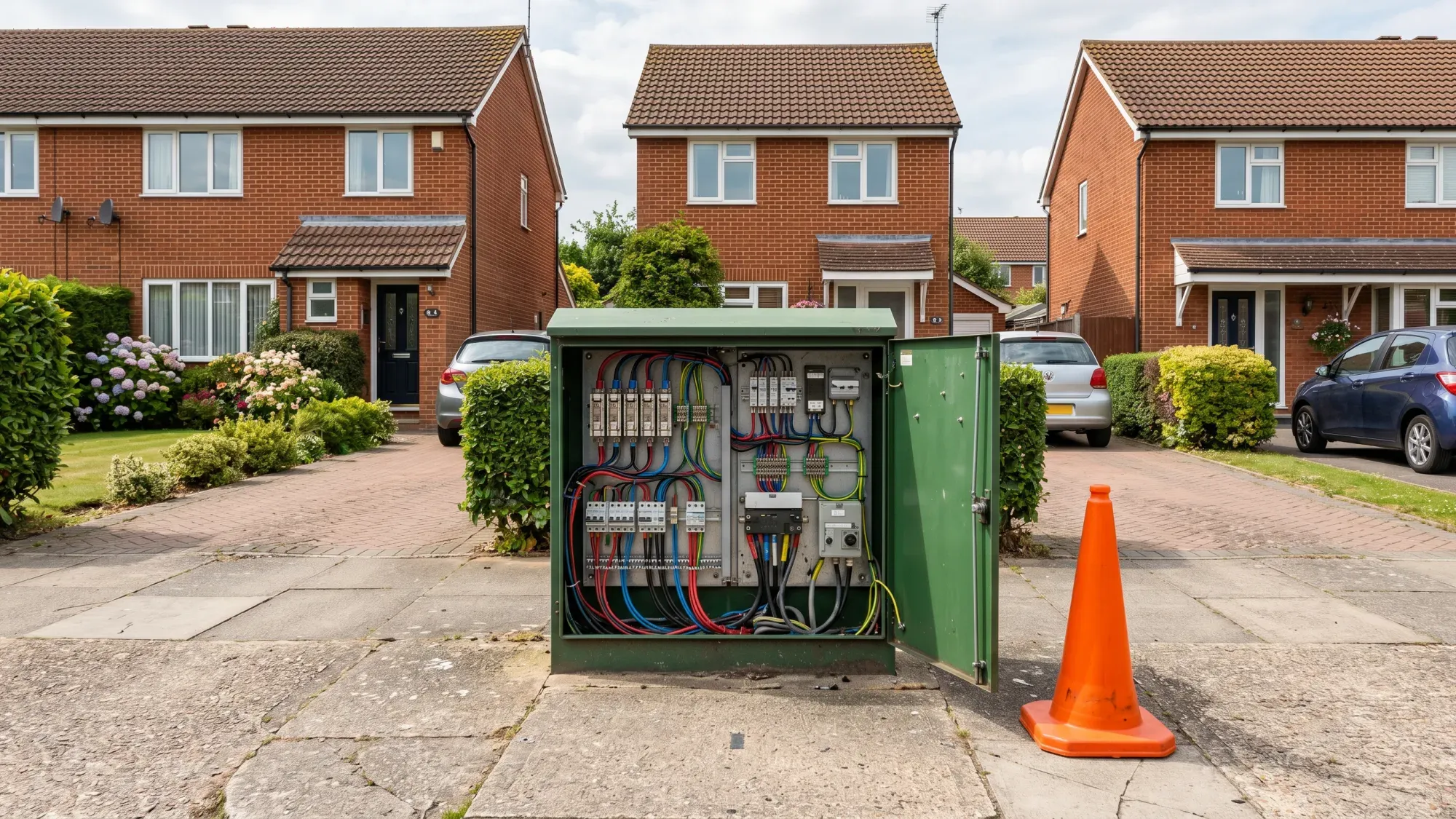
A power cut can be disruptive, but knowing how to quickly check for an outage in your area and what steps to take can help you manage the situation effectively. This guide provides clear, practical advice for navigating power cuts, from identifying your network operator to understanding your rights regarding compensation.
Power cuts can be frustrating, but understanding the process can make them easier to manage. If you're looking for an energy supplier that prioritises clear communication and support, consider Fuse Energy. We focus on straightforward pricing and in-app usage data to help you stay in control of your energy. Click here to switch to Fuse Energy today.
Enter your address to get a quote and see how much you could save
Understanding power cuts in the UK
What is a power cut?
A power cut, also known as a power outage or electricity outage, is a temporary interruption to your electricity supply. These can range from short, localised disruptions to more widespread and prolonged outages. Without electricity, common household appliances like gas ovens, boilers, and home internet will not work.
Who is responsible for power cuts?
In the UK, Distribution Network Operators (DNOs) are responsible for maintaining the electricity network infrastructure and restoring power during outages. DNOs own and operate the cables, substations, and equipment that deliver electricity from the National Grid to your home. They are distinct from your energy supplier, which is the company you pay your energy bills to. There are 14 licensed Distribution Network Operators (DNOs) across Great Britain, each responsible for a specific geographical region. Ofgem, the UK's energy regulator, licenses DNOs and sets the standards they must meet.
Planned vs unplanned outages
Power cuts can be either planned or unplanned. Planned power cuts are scheduled in advance by your DNO for essential maintenance, upgrades, or repairs to the network. Your DNO should provide you with advance notice if your supply will be affected by a planned outage. Unplanned power cuts occur due to unforeseen events such as faults within the network, equipment damage (often caused by severe weather like high winds or heavy snow), or other system issues. Most power cuts are short-lived and local, but more extensive outages can happen.
How to check for a power cut in your area
Initial checks at home
Before contacting anyone, it is helpful to perform a few quick checks at home. First, see if your neighbours are also affected. If their power is on, the issue might be specific to your property, such as a tripped Fuse or circuit breaker. If your neighbours are also without power, it confirms a wider outage in your area.
Using the 105 national helpline
The national helpline for power cuts in the UK is 105. This free phone number will connect you directly to your local electricity Distribution Network Operator (DNO). You can call 105 from your landline or mobile, and it will automatically route you to the correct DNO for your area. This is the primary contact for reporting a power cut or getting updates.
Finding your distribution network operator (DNO)
If you prefer to check online, you can easily find your DNO using the Energy Networks Association (ENA) postcode lookup tool. Simply enter your postcode, and the tool will identify your local DNO, provide their 24-hour fault number, and a link to their website. You can also find your DNO's details on your electricity bill, where a "Distributor ID" number can help you identify your network operator.
How do I find my electricity DNO?
You can find your DNO by calling the free national helpline 105, which automatically connects you to your local operator. Alternatively, use the ENA postcode lookup tool online. Your electricity bill also contains a "Distributor ID" number that can help you identify your DNO.
Checking DNO websites and social media
Once you know your DNO, visiting their website or following their social media channels (such as X or Facebook) is an effective way to get real-time updates on power cuts in your area. DNOs often provide live outage maps and estimated restoration times, especially during widespread events.
What to do during a power cut
Prioritising safety
Safety is paramount during a power cut. Keep away from hazards like fallen power lines, as electricity can jump gaps without warning. If you see damaged equipment or lines, contact your network operator immediately by calling 105, or dial 999 if there's an immediate risk to life.
Essential preparations
It is wise to prepare an emergency kit in advance. This should include a battery or wind-up torch (torches are safer than candles), a battery or wind-up radio for updates, and a fully charged mobile phone. Keep essential contact numbers, including 105 and your DNO's direct line, written down somewhere accessible, as mobile signal and internet may be affected.
Food and appliance considerations
During an outage, switch off or unplug electrical appliances that should not be left unattended, such as irons, ovens, and electric fires. This prevents damage from power surges when the electricity is restored. Avoid opening your freezer door unnecessarily to keep food frozen for longer. Leave one light switched on so you know when the power has been restored.
Communication and staying informed
Keep your mobile phone charged so you can access online updates or call for help. If your landline phone requires electricity, it may not work during a power cut. Your DNO's website and social media are the best sources for updates and estimated restoration times. For more tips on managing your energy, you might find our guide on understanding your energy bill helpful.
What if there's no gas supply?
Identifying a gas outage
While this guide primarily focuses on electricity power cuts, a loss of gas supply is a separate issue. If you suspect a gas outage or smell gas, it's crucial to act quickly and safely. Gas boilers and hobs will not work without electricity.
Who to contact for gas emergencies
For gas emergencies, such as a gas leak or the smell of gas, you should contact the National Gas Emergency Service on 0800 111 999. This number is only for gas leaks or the smell of gas, not for a complete loss of gas supply. Your gas network operator (also known as a Gas Distribution Network or GDN) is responsible for the gas pipes and infrastructure.
Power cut compensation and your rights
Guaranteed standards of Performance
Ofgem sets Guaranteed Standards of Performance that DNOs must meet, including rules on how quickly they must restore supply and the compensation consumers receive if these standards are not met. These standards cover England, Scotland, and Wales.
When you might be eligible for compensation
You may be eligible for compensation if a power cut lasts longer than a specified duration.
- If fewer than 5,000 properties are affected, you could receive £100 if your power is off for more than 12 hours. You will get an additional £45 for every further 12-hour period without electricity, up to a maximum of £400.
- If more than 5,000 properties are affected, you could receive £100 if your power is off for more than 24 hours. You will get an additional £45 for every further 12-hour period without electricity, up to a maximum of £400.
- You could also get an extra £100 if your power goes off four or more times between 1 April and 31 March, with each power cut lasting at least three hours.
How to claim compensation
In many cases, your local network operator will automatically pay you compensation if you are eligible, usually within 10 working days. This is often done via cheque, cash, or bank transfer. If you believe you are eligible but have not received payment, you should contact your DNO directly. For general power cuts, claims must typically be made within 30 days of the outage. For compensation related to four or more power cuts in a year, you have three months to claim after the end of March. If you're interested in how your meter tracks usage, our article on how to read your meter provides useful information.
Getting extra support during an outage
The Priority Services Register (PSR)
The Priority Services Register (PSR) is a free support service designed to help vulnerable people during power cuts or other supply interruptions. It is managed by energy suppliers and network operators.
Who is eligible for PSR support?
You may be eligible for the PSR if you:
- Are of State Pension age (66+) or older.
- Are pregnant or have young children (aged five or under).
- Have a disability or long-term health condition (including mental health conditions).
- Have sight, hearing, or sense of smell affected.
- Struggle to speak or read English.
- Rely on medical equipment that uses electricity.
- Are recovering from an injury or recent hospital stay.
- Have recently experienced a bereavement or job loss.
- Require extra assistance for any other reason during power cuts or supply interruptions.
How to register for the PSR
You can sign up for the PSR by contacting your local network operator or your energy supplier. To register, you will typically need to provide:
- A secondary phone number (optional).
- An alternative contact's name and phone number (optional).
- The alternative contact's full address (optional).
- The reason for needing PSR support (for example, reliance on medical equipment or specific vulnerabilities).
Fuse Energy is committed to providing clear information and support. While we are your energy supplier and do not manage the electricity network, our customer support team is available for any account-related concerns you may have. We aim to make managing your energy as simple as possible, with clear pricing and in-app usage data.
Ready to take control of your energy? Switch to Fuse Energy today for a modern energy experience designed around you. Our quick online sign-up process means you can get started in minutes. Find out more about our mission to make energy fairer and simpler here.
Disclaimer
For the avoidance of doubt, this article is provided for informational purposes only and is not intended to constitute legal or financial advice. The author and/or Fuse Energy shall not be responsible for any losses arising out of any reliance on the information contained herein.