Home EV charger installation costs
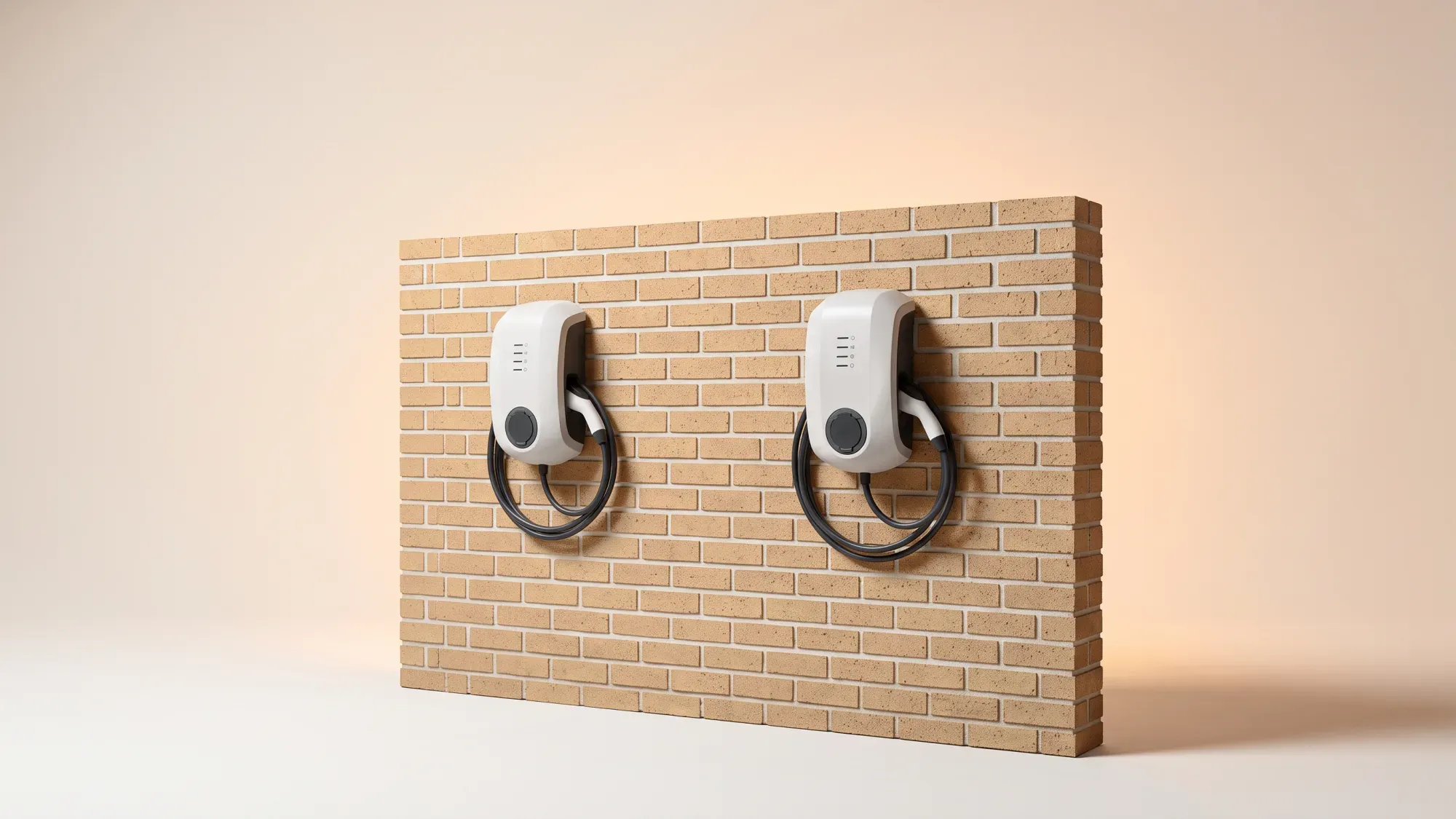
Installing an electric vehicle (EV) charger at home offers significant convenience and can lead to long-term savings. This guide explores the process, typical costs, available government grants, and how to choose the right setup for your home.
Understanding home EV charger installation
Home EV charging transforms how you interact with your electric vehicle. Instead of relying solely on public charging points, you can power up your car overnight, much like charging a mobile phone. This shift provides unparalleled convenience and ensures your EV is always ready for the road.
Why install a home EV charger?
The primary reason for installing a home EV charger is convenience. You can charge your vehicle at your leisure, often taking advantage of cheaper overnight electricity rates. This eliminates the need to seek out public charging stations, saving you time and reducing range anxiety.
Key components of an EV charging system
A home EV charging system typically consists of a wall-mounted chargepoint unit, dedicated cabling, and a connection to your home's electrical supply. The chargepoint itself manages the power delivery to your vehicle, incorporating safety features and, in many cases, smart technology for remote control and scheduling.
The benefits of home charging
Beyond convenience, home charging offers several benefits. It can be more cost-effective than using public rapid chargers, especially if you are on a tariff designed for EV owners. It also provides peace of mind, knowing you have a reliable charging solution right on your driveway. Integrating your charger with smart home energy systems can further optimise energy use and reduce your carbon footprint.
Costs and grants for your EV charger installation
Understanding the financial aspects of home EV charger installation is crucial. While there is an upfront cost, government grants can help reduce the burden.
Average electric car charger installation costs
The cost for a home EV charger installation can vary significantly based on the specific charger model, the complexity of the installation, and any necessary electrical upgrades to your home's existing infrastructure. For example, Fuse Energy offers the Easee One EV charger installed for £899.
The OZEV EV Chargepoint Grant: eligibility and how to apply
The UK government offers the EV Chargepoint Grant, which can provide up to £500 towards the cost of purchasing and installing a home EV chargepoint. This grant is available until 31 March 2027.
To be eligible for the EV Chargepoint Grant for renters and flat owners, you must own and live in a flat, or rent and live in any residential property, and have private off-street parking. Alternatively, the EV Chargepoint Grant for households with on-street parking provides up to £500 if you own or rent the property, are installing a cross-pavement solution (such as a charging gully), and only have on-street parking.
Owner-occupiers in a house with private off-street parking are typically not eligible for any current domestic chargepoint grant.
For all current domestic OZEV chargepoint grants, you must apply for the grant yourself via the GOV.UK eligibility and application page. The OZEV-authorised installer's role begins only after your application is approved.
Who is eligible for the OZEV EV Chargepoint Grant?
The OZEV EV Chargepoint Grant provides up to £500 towards the cost of purchasing and installing a home EV chargepoint for eligible electric vehicle owners. This includes renters and flat owners with private off-street parking, or households with on-street parking installing a cross-pavement solution. Owner-occupiers in a house with private off-street parking are typically not eligible.
Factors affecting installation price
Several factors can influence the final installation price:
- Electrical upgrades: Older homes might require an upgrade to the main fuse or consumer unit to safely accommodate the charger's power demand.
- Cable length and routing: The distance between your electricity meter and the desired chargepoint location, and how easily the cable can be routed, affects labour and material costs.
- Charger type: More advanced smart chargers or higher-power units can be more expensive than basic models.
- Earthing arrangements: Some properties may need additional earthing solutions, which can add to the cost.
Choosing the right EV home charger
Selecting the correct EV charger for your needs involves considering charging speed, smart features, and compatibility with your vehicle.
Types of EV chargers: 7kW vs 22kW
Most UK home EV chargers are rated at 3.6kW or 7kW, with 7kW (often 7.4kW) being the most common domestic option for single-phase electricity supplies. A 7kW charger can typically add around 25 to 30 miles of range per hour of charging, making it suitable for overnight charging for most EV owners.
While 22kW chargers offer faster charging, they typically require a three-phase electricity supply, which is rare in UK residential properties and often involves significant electrical upgrades. Many electric vehicles also cannot accept 22kW AC charging. For most homes, a 7kW charger provides an excellent balance of speed and cost-effectiveness.
Smart charging features and benefits
Modern EV chargers often come with smart features that enhance the charging experience. These can include:
- App control: Start, stop, and monitor charging remotely from your smartphone.
- Scheduling: Set your charger to operate during off-peak hours when electricity is cheaper, saving you money.
- Load balancing: Prevent overloading your home's electrical supply by dynamically adjusting charging power based on other household electricity use.
- Integration with renewables: Some smart chargers can prioritise charging using excess solar energy generated at home.
These features give you greater control over your energy consumption, making charging an effortless part of your daily routine. You can learn more about EV charging off-peak to maximise these benefits.
Compatibility with your electric vehicle
Most electric vehicles in the UK use a Type 2 connector for AC charging, which is the standard for home chargepoints. Ensure the charger you choose is compatible with your car's connector type and can deliver power at or below your vehicle's maximum AC charging rate. There is no benefit to installing a 22kW charger if your car can only accept 7kW AC charging.
The EV charger installation process step-by-step
Installing an EV charger is a structured process that ensures safety and compliance with regulations.
Finding a qualified installer
Professional installation by a qualified electrician is mandatory for safety and compliance with UK electrical regulations, specifically BS 7671 (the IET Wiring Regulations), Section 722. Furthermore, to claim the OZEV EV Chargepoint Grant, your installer must be approved by the Office for Zero Emission Vehicles (OZEV). Always choose an installer with relevant certifications and a strong track record. Do not attempt DIY installation, as it is unsafe and non-compliant.
Pre-installation assessment and requirements
Before installation, a qualified electrician will conduct a site survey to assess your home's electrical capacity and determine the best location for your chargepoint. They will check your consumer unit (fuse box) and earthing arrangements. Your installer is also responsible for notifying your Distribution Network Operator (DNO) of the new EV charger installation, as this is a legal requirement to ensure the local network can safely support the load. For many standard domestic installations, the DNO can be notified after the charger has been installed.
What to expect on installation day
On the day of installation, the electrician will typically:
- Install the chargepoint unit in the agreed location.
- Run the necessary cabling from your consumer unit to the chargepoint.
- Connect the charger to your home's electrical supply, ensuring all safety devices are in place.
- Test the charger to confirm it is working correctly and safely.
The process usually takes a few hours, depending on the complexity.
Post-installation checks and notifications
Once the installation is complete, the electrician will provide you with a certificate of electrical safety. They will also ensure that your DNO has been notified of the new installation, a regulatory requirement. You will receive a demonstration of how to use your new charger, including any smart features.
Maximising your home EV charging experience
Getting the most out of your home EV charger involves smart energy management and integrating it into a broader home energy ecosystem.
Smart charging and energy management
Leverage your charger's smart features to schedule charging during off-peak hours, when electricity is typically cheaper. Many energy suppliers offer dual-rate variable tariffs or smart tariffs that provide lower rates during certain times, making smart charging even more financially beneficial. This approach not only saves you money but also helps balance demand on the National Grid. Consider a smart meter installation to get the most out of these tariffs.
Integrating your charger with home energy solutions
For a truly optimised home energy setup, consider integrating your EV charger with other home energy solutions like solar panels and battery storage. This allows you to charge your EV using self-generated renewable energy, further reducing your reliance on grid electricity and cutting running costs. This integrated approach simplifies the experience and puts control in your hands.
Long-term savings and convenience
The initial investment in a home EV charger pays off in long-term savings and unparalleled convenience. You will benefit from lower charging costs compared to public options, reduced wear and tear on your vehicle's battery from slower, more consistent charging, and the sheer ease of waking up to a fully charged car every day. Fuse's dedicated 24/7 human customer support ensures peace of mind throughout the installation and ongoing use of your EV charger, making home charging a seamless, worry-free part of modern life.
Disclaimer
For the avoidance of doubt, this article is provided for informational purposes only and is not intended to constitute legal or financial advice. The author and/or Fuse Energy shall not be responsible for any losses arising out of any reliance on the information contained herein.