How to buy an AC unit for your home
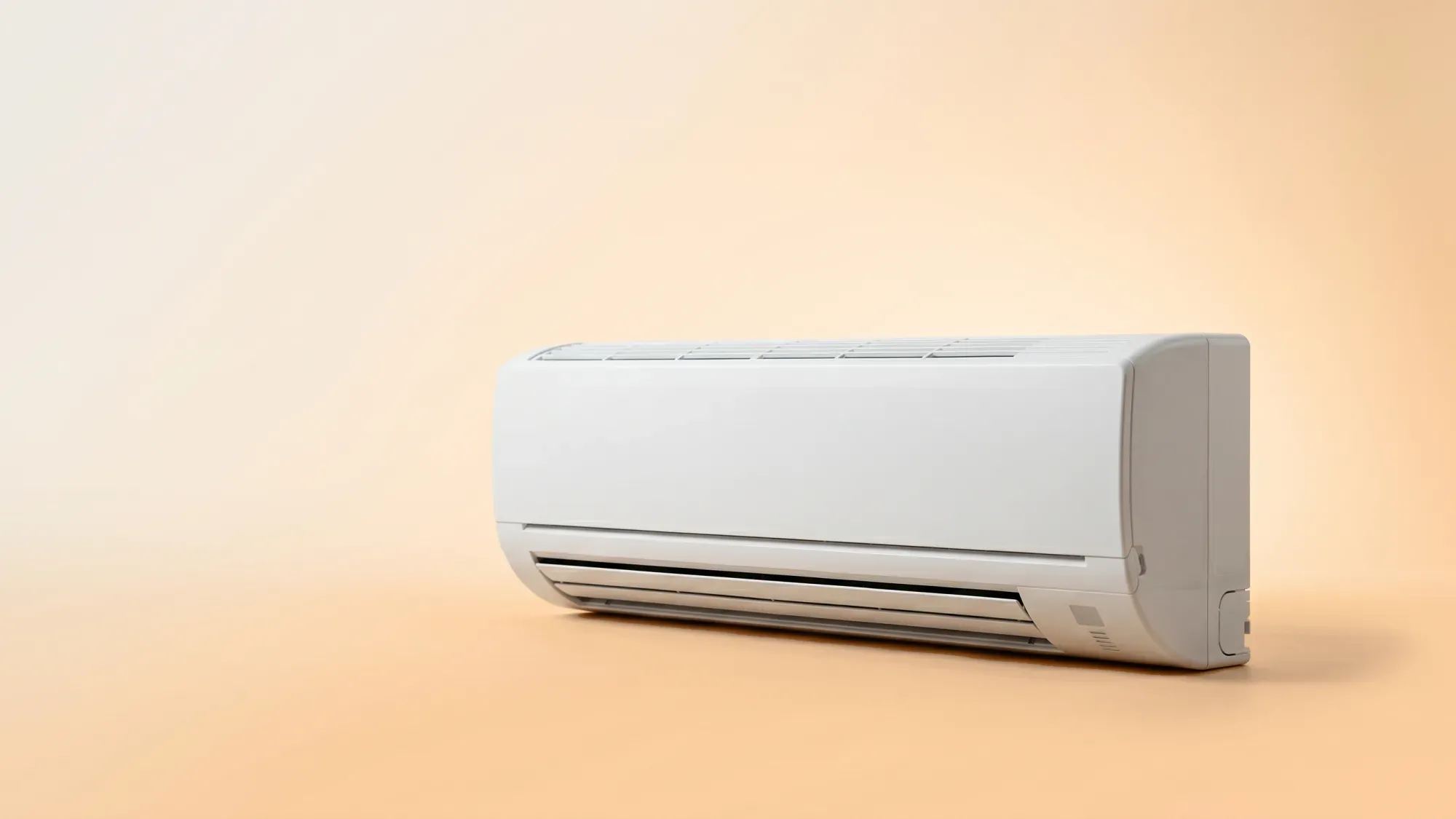
Choosing an air conditioning (AC) unit for your UK home requires careful consideration beyond just the upfront cost. With summers becoming warmer, more homeowners are seeking comfortable cooling solutions without incurring excessive energy bills or navigating complex installation rules. This guide helps you select, purchase, and efficiently use an AC unit, focusing on energy management and UK-specific requirements.
Fuse Energy helps you manage your home's energy consumption, including that of your AC unit, with clear pricing and smart meter data. Click here to find out more about switching to a modern energy experience.
Enter your address to get a quote and see how much you could save
Why consider an AC unit for your UK home?
The changing climate and comfort needs
UK homes are increasingly experiencing hotter summers, making air conditioning a practical consideration rather than a luxury. While many UK properties lack optimal insulation for efficient cooling, the desire for comfortable indoor temperatures is growing. This shift means understanding how to choose and use an AC unit effectively is more important than ever.
Understanding different AC unit types
Several types of AC units are available, each suited to different needs. Portable AC units are self-contained and can be moved between rooms. They are generally the easiest to install, requiring only an exhaust hose vented out of a window. However, they are often less efficient and noisier than fixed units. Split AC units consist of an indoor unit and an outdoor compressor, connected by refrigerant lines. These are more powerful, quieter, and energy-efficient, ideal for cooling a single room or open-plan area. Multi-Split AC systems extend this concept, allowing multiple indoor units to connect to a single outdoor compressor, providing individual temperature control for several rooms.
Choosing the right AC unit for your needs
Sizing your AC unit (BTU calculations)
Selecting an AC unit that is correctly sized for your room is crucial for both comfort and efficiency. An undersized unit will struggle to cool the space, running constantly and wasting energy, while an oversized unit will cool too quickly, leading to frequent on/off cycles that are inefficient and can result in uncomfortable humidity levels. Cooling capacity is measured in British Thermal Units (BTUs). As a general guide, you will need approximately 5,000 to 7,000 BTUs for a small room (up to 18 sq m), 9,000 to 12,000 BTUs for a medium room (15-30 sq m), and 18,000 to 24,000 BTUs for larger spaces (30-50 sq m). Factors like ceiling height, insulation quality, and direct sunlight exposure can also influence the required BTU.
Prioritising energy efficiency (SEER and SCOP ratings)
When buying an AC unit, its energy efficiency rating is as important as its cooling capacity. Look for units with high Seasonal Energy Efficiency Ratio (SEER) and Seasonal Coefficient of Performance (SCOP) ratings. SEER measures an AC unit's cooling efficiency over a season, while SCOP indicates its heating efficiency, which is relevant for units with a heat pump function. Higher ratings mean the unit uses less electricity to produce the same amount of cooling or heating, translating to lower running costs. Focusing solely on the upfront purchase price without considering these ratings can lead to significantly higher energy bills over the unit's lifespan.
Smart features and additional functionalities
Modern AC units often come with smart features that enhance convenience and efficiency. Look for units with programmable timers, remote control via a smartphone app, and integration with smart home systems. These features allow you to schedule cooling, adjust settings from anywhere, and potentially link your AC to other smart devices for optimised energy use. Some units also offer air purification, dehumidification, or quiet modes, adding to overall home comfort.
Installation and regulatory considerations
Professional installation for fixed units
Fixed air conditioning units, such as split and Multi-Split systems, typically require professional installation. This is not just about connecting pipes and wires; it involves handling refrigerants and ensuring the system is correctly sealed and commissioned. Improper installation can lead to leaks, reduced efficiency, and potential safety hazards.
Understanding F-Gas regulations
In the UK, the installation and maintenance of most fixed air conditioning systems containing refrigerants are governed by F-Gas regulations (Fluorinated Greenhouse Gases). These regulations aim to reduce emissions of potent greenhouse gases and require that anyone handling refrigerants must be certified. This means you cannot legally self-install a fixed AC unit; a certified professional must carry out the work. Always ensure your installer holds the necessary F-Gas certification.
DIY for portable units
Portable AC units generally do not fall under the same strict installation regulations as fixed systems. They are designed for user-friendly setup, typically requiring you to connect an exhaust hose to a window kit to vent hot air outside. While this makes them a convenient option for temporary cooling, it is important to ensure the window seal is effective to prevent warm air from re-entering the room, which would reduce efficiency.
Managing the running costs of your AC unit
Demystifying AC energy consumption
Many homeowners worry about the energy consumption of air conditioning. While AC units do use electricity, their impact on your bills depends heavily on the unit's efficiency, how often it is used, and your electricity tariff. The average UK home uses around 2,700 kWh of electricity per year. Understanding your unit's power consumption (usually in kW) and how long it runs can help you estimate its contribution to your overall energy use. For more details on how your energy bill is calculated, you can read our guide on understanding your energy bill.
Do air conditioners use a lot of energy?
The energy consumption of an air conditioner varies significantly based on its size, efficiency rating (SEER/SCOP), and usage patterns. While they can be a notable energy user, modern, efficient units, combined with smart usage, can provide comfortable cooling without disproportionately increasing your electricity bills.
How smart meters help control costs
Smart meters provide homeowners with real-time data on their energy consumption, offering a powerful tool for managing AC running costs. By monitoring your electricity usage as it happens, you can see exactly how much energy your AC unit is consuming. This immediate feedback allows you to make informed decisions about when and how to use your cooling, helping you identify peak consumption periods and adjust accordingly. If you don't have one, consider a smart meter installation to gain better control over your energy use.
Optimising usage with Fuse Energy
Fuse Energy empowers UK homeowners to manage their energy consumption, including that of their AC units. While Fuse Energy does not sell or install air conditioning units, its app and smart meter data can give you comprehensive visibility and control over your energy use. By understanding your consumption patterns, you can make "power plays" - optimising when you run your AC, perhaps during off-peak tariff hours if you have a time-of-use tariff, to maximise comfort without the fear of high energy bills. This approach helps you make the most of your energy, turning insights into actionable savings.
Maximising your AC unit's efficiency and lifespan
Practical tips for efficient cooling
To get the most out of your AC unit without excessive costs, implement smart usage strategies. Set your thermostat to a comfortable yet reasonable temperature; every degree lower significantly increases energy use. Close windows and doors when the AC is running to prevent cool air from escaping. Use timers to cool your home before you arrive or during specific periods. Consider using fans in conjunction with your AC to circulate cool air more effectively, allowing you to set the thermostat slightly higher. Shading windows with blinds or curtains during the hottest parts of the day can also reduce the heat load on your home.
Regular maintenance for optimal performance
Regular maintenance is key to ensuring your AC unit operates efficiently and has a long lifespan. For portable units, this typically involves cleaning or replacing air filters every few weeks or months, depending on usage. For fixed split or Multi-Split systems, professional servicing at least once a year is recommended. This includes checking refrigerant levels, cleaning coils, and inspecting electrical components. Proper maintenance prevents breakdowns, maintains efficiency, and ensures healthy air quality.
Managing your home's energy should be simple and transparent. Fuse Energy offers clear pricing, real-time usage data through our app, and 24/7 human customer support to help you stay in control of your energy bills. Switching to Fuse is quick and easy, allowing you to focus on enjoying a comfortable home.
Disclaimer
For the avoidance of doubt, this article is provided for informational purposes only and is not intended to constitute legal or financial advice. The author and/or Fuse Energy shall not be responsible for any losses arising out of any reliance on the information contained herein.