Is boiler and home cover worth it?
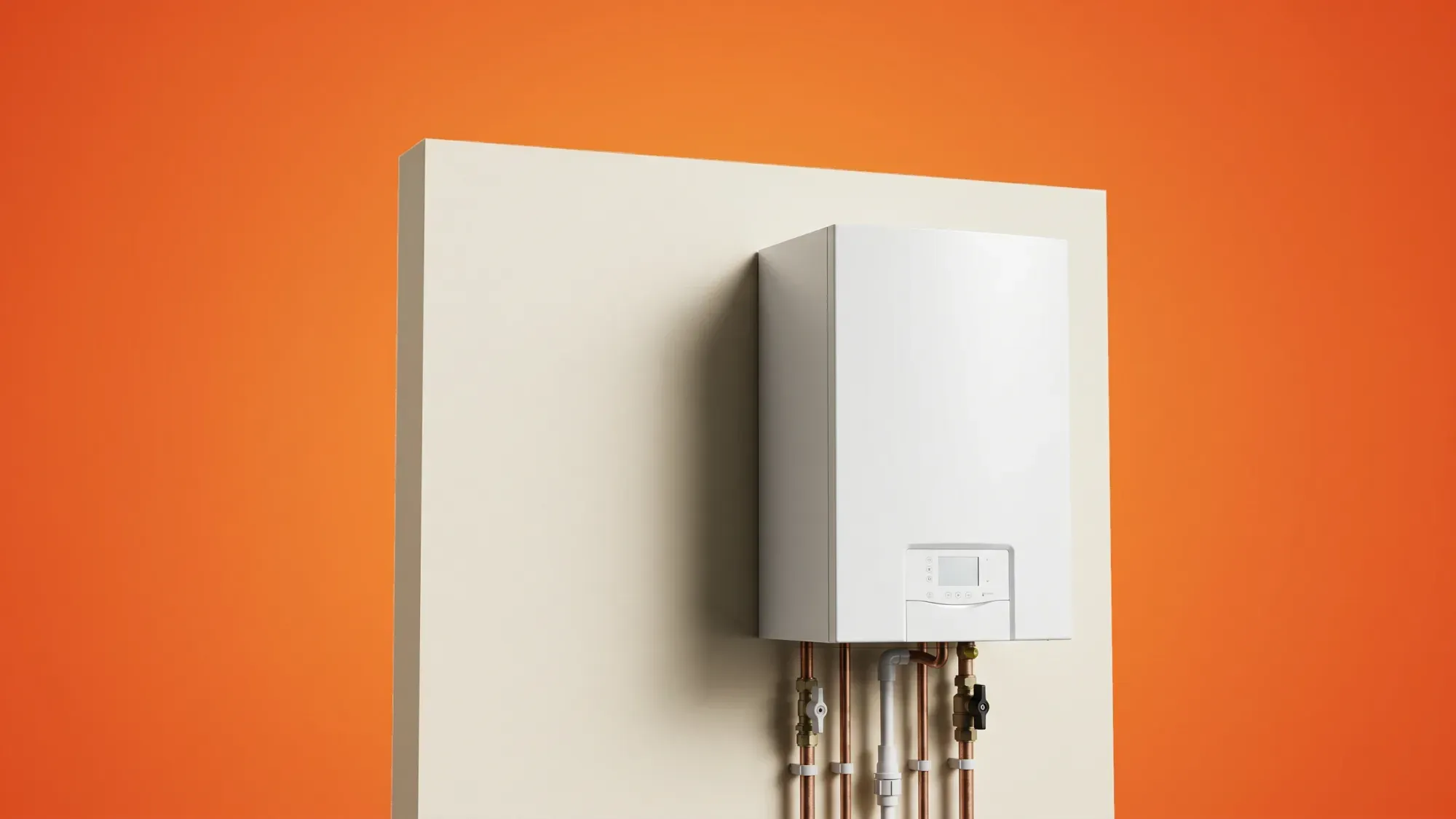
Boiler and home cover policies offer protection against unexpected breakdowns of essential home systems, providing financial security and peace of mind. These policies are distinct from standard home insurance, which typically does not cover general wear and tear or sudden mechanical failures of appliances. This guide explores the nuances of boiler and home cover, helping you determine if it is the right choice for your household.
Understanding boiler and home cover
Boiler and home cover is a type of protection designed to help with the cost and inconvenience of unexpected breakdowns of your home's vital systems. It typically covers repairs and, in some cases, replacements for components like your boiler, central heating, and plumbing. These policies are not a substitute for standard home insurance, which focuses on damage from events like fires, floods, or theft, rather than appliance malfunctions.
What these policies entail
These policies generally cover the cost of parts and labour for repairs to specified home systems. Many also include access to a 24/7 helpline for emergencies, ensuring help is available when needed. The aim is to mitigate the financial impact of unforeseen repairs and minimise disruption to your home life.
Boiler cover versus home emergency cover
While often used interchangeably, there is a distinction between boiler cover and broader home emergency cover. Boiler cover specifically focuses on your boiler and central heating system. This can range from basic cover for the boiler itself to more extensive plans that include the entire central heating system, including radiators and pipework.
Home emergency cover, on the other hand, provides a wider safety net. It can extend beyond boilers to include plumbing, electrics, drainage, and even roofing issues. This broader coverage offers protection against a wider array of household emergencies.
Distinguishing from standard home insurance
Standard home insurance policies typically do not cover boiler breakdowns or general home emergencies resulting from wear and tear. Home insurance is primarily designed for damage caused by sudden, unforeseen events like fires, floods, or theft, and usually excludes issues arising from appliance malfunctions or gradual deterioration. This distinction is crucial when assessing your coverage needs.
Key benefits of having cover
Opting for boiler and home cover can provide several advantages, particularly for homeowners looking to mitigate risks and manage household expenses.
Financial protection against unexpected costs
One of the primary benefits is financial protection. Boiler repairs can be costly, with many homeowners spending around £300 on average for a typical repair, though costs can range from £100 to £750 depending on the issue. Cover policies help absorb these unexpected expenses, preventing large, unforeseen outlays.
Peace of mind and convenience
Knowing that you have a policy in place can offer significant peace of mind. In the event of a breakdown, you typically have access to a helpline and engineers, reducing the stress of finding a qualified professional in an emergency. Many policies include a 24/7 helpline for emergencies.
Access to qualified engineers
Most policies provide access to a network of qualified and vetted engineers. For gas appliances, it is a legal requirement in the UK that all engineers working on them are Gas Safe registered. This ensures that repairs are carried out safely and to a professional standard.
Annual boiler service inclusions
Many boiler cover policies include an annual boiler service. This is not only crucial for maintaining your boiler's efficiency and extending its lifespan, but it is also often a condition of the manufacturer's warranty and the cover policy itself. An annual service helps identify potential issues early and ensures your boiler operates safely.
What to consider before buying cover
Before committing to a boiler and home cover policy, it is essential to review the terms carefully to ensure it meets your specific needs.
Policy exclusions and limitations
All policies have exclusions. These might include pre-existing faults, specific boiler types, or damage caused by negligence. Understanding what is not covered is as important as knowing what is.
Excess fees and claim limits
Check the excess fee - the amount you pay towards each claim. Some policies also have an annual claim limit or a limit on the cost per claim. Higher excesses often mean lower premiums, but could make smaller repairs uneconomical to claim for.
Age and condition of your boiler
The age and condition of your boiler can significantly impact policy availability and cost. Older boilers or those with a history of frequent breakdowns might be excluded or incur higher premiums. Some providers may not cover boilers over a certain age.
Provider reputation and customer service
Research the provider's reputation for customer service and engineer availability. Look for reviews regarding response times, quality of repairs, and ease of making a claim. A reputable provider with readily available engineers can make a significant difference during a home emergency.
Alternatives to boiler and home cover
Boiler and home cover is not the only option for managing unexpected home repair costs. Several alternatives can provide similar financial protection and peace of mind.
Building an emergency fund
One of the most straightforward alternatives is to build an emergency fund specifically for home repairs. By setting aside money regularly, you can cover unexpected costs without relying on an insurance policy. This gives you complete control over your funds and choice of engineer.
Manufacturer warranties
New boilers typically come with a manufacturer's warranty, which covers parts and labour for a set period, often between 2 to 10 years. Ensure you understand the terms, as an annual service by a Gas Safe registered engineer is usually a condition for keeping the warranty valid.
Local independent engineers
Instead of a cover policy, you can build a relationship with a trusted local Gas Safe registered engineer. They can provide annual servicing and be your first point of contact for breakdowns, potentially offering more personalised and cost-effective service than a large provider.
Is boiler and home cover right for you?
Deciding whether boiler and home cover is a worthwhile investment depends on your individual circumstances, risk tolerance, and financial situation.
Assessing your household needs
Consider the age of your home and appliances, your budget for unexpected repairs, and your comfort level with managing emergencies yourself. If you prefer predictable monthly payments and quick access to engineers, cover might be suitable.
Homeowners versus landlords
For homeowners, cover offers peace of mind and protection against large, unexpected bills. Landlords often find these policies particularly beneficial as they ensure prompt repairs for tenants, fulfilling their legal obligations and maintaining property value without direct involvement in every breakdown.
Renters and shared responsibilities
Renters typically do not need boiler and home cover, as the responsibility for maintaining the property's systems usually falls to the landlord. Always check your tenancy agreement to confirm responsibilities.
Beyond reactive cover: proactive home resilience with Fuse Energy
While boiler and home cover addresses reactive repairs, a proactive approach to home resilience can offer a different kind of security and predictability. Fuse Energy does not offer boiler and home cover or related insurance products. Instead, Fuse focuses on empowering homeowners through smart energy management and future-proof energy upgrades.
Smart energy management for predictability
Fuse Energy's app provides customers with control and transparency over their energy usage, contributing to overall home financial management. By understanding and optimising energy consumption, you can reduce waste and gain predictability over your energy bills, which is a key component of home resilience. Many homeowners also consider a smart meter installation to enhance this control.
24/7 support for peace of mind
Just as boiler cover offers peace of mind through accessible support, Fuse provides 24/7 human customer support for energy-related queries. This ensures help is always available for your energy needs, offering a similar sense of security in managing your home's energy.
Future-proofing your home with energy upgrades
Fuse is dedicated to rebuilding the energy system from scratch. While boiler cover addresses reactive repairs, Fuse focuses on proactive home resilience through smart energy management and future home energy upgrades like solar and batteries. This approach aims to reduce reliance on reactive solutions by making your home more energy-independent and efficient, contributing to long-term peace of mind and financial control. Exploring options like solar panel cost can be a step towards this independence.
Disclaimer
For the avoidance of doubt, this article is provided for informational purposes only and is not intended to constitute legal or financial advice. The author and/or Fuse Energy shall not be responsible for any losses arising out of any reliance on the information contained herein.