Optimal timing for your heat pump installation
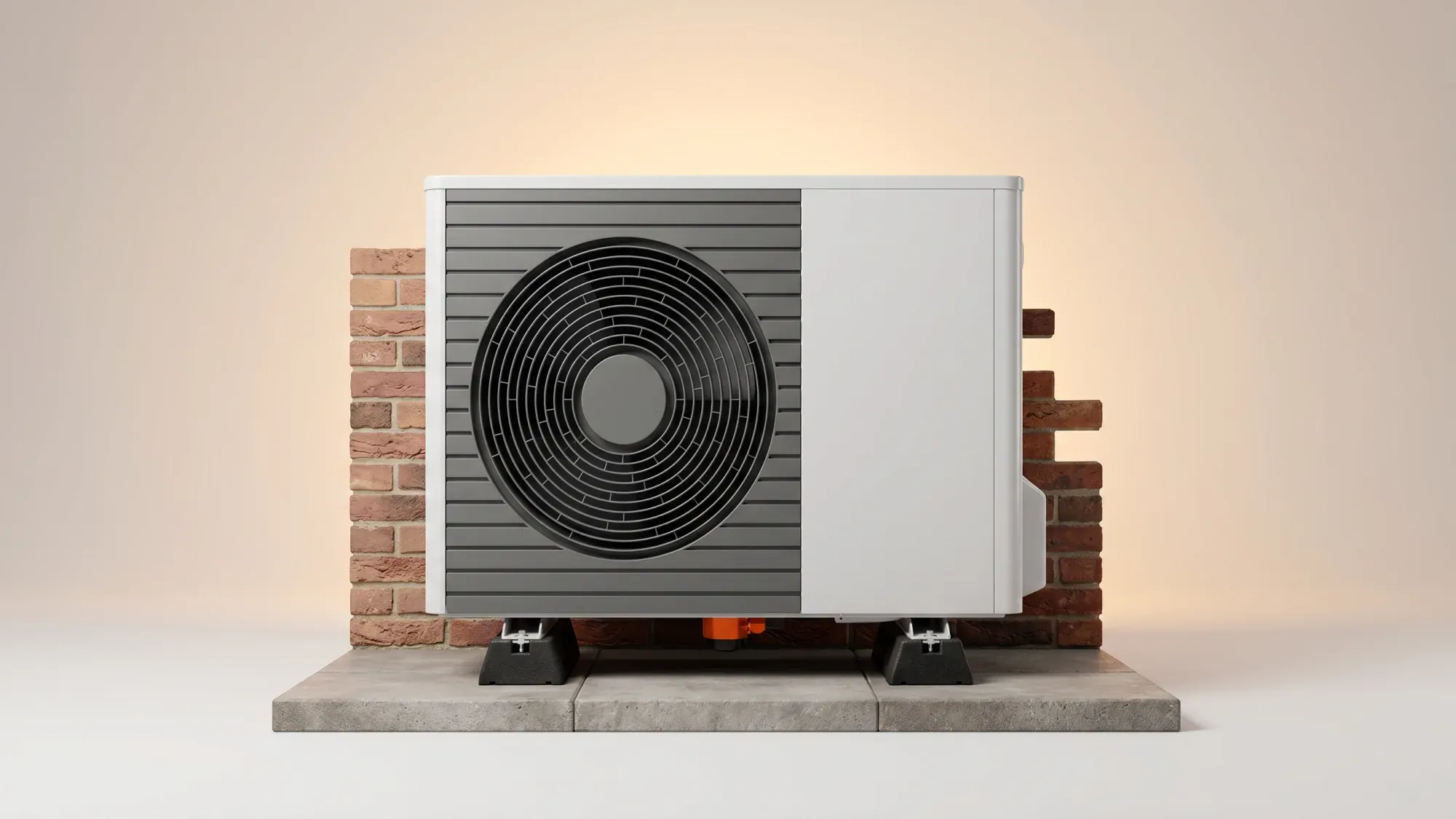
Choosing the optimal time for heat pump installation is a strategic move, empowering homeowners to take control of their energy future and minimise disruption. Heat pumps are a key technology for decarbonising home heating in the UK, offering an energy-efficient alternative to traditional boilers. However, the timing of your installation can significantly impact the process, from installer availability to the comfort of your home during the work.
Why timing your heat pump installation is a power play
Understanding heat pumps and their benefits
A heat pump is an energy-efficient system that transfers heat from one place to another. In winter, it extracts heat from the outside air (or ground) and moves it into your home. In summer, some systems can reverse this process to provide cooling. Unlike traditional boilers that generate heat by burning fuel, heat pumps simply move existing heat, making them highly efficient. Air source heat pumps are the most common type in the UK, well-suited to the climate and generally easier to install. Air source heat pumps can achieve efficiencies of 300% or more, meaning they produce around 3 kWh or more of heat for every 1 kWh of electricity used.
Heat pumps offer numerous advantages for UK homeowners. They can significantly lower heating costs compared to traditional systems, especially when replacing older, inefficient boilers. By reducing reliance on fossil fuels, heat pumps also lower carbon emissions, contributing to a more sustainable energy system. They provide consistent, ambient heat, maintaining a steady, comfortable temperature throughout your home.
The strategic advantage of optimal timing
Installing a heat pump is a significant home upgrade. Timing it correctly transforms it into a true 'power play', giving you control over the process and maximising long-term benefits. This means considering factors beyond just the weather, such as grant availability, installer schedules, and your own home's readiness. A well-timed installation ensures you avoid peak demand periods, potentially secure better pricing, and enjoy uninterrupted heating when you need it most.
Seasonal considerations for heat pump installation
The UK's varied climate means each season presents unique advantages and disadvantages for installing a heat pump.
Spring: the sweet spot for planning and installation
Spring is often considered the ideal time for heat pump installation. The weather is typically milder, meaning less disruption to your home's heating system during the changeover. Installers are generally less busy than in the colder months, leading to shorter lead times and potentially more competitive quotes. This season also provides ample time to get your system commissioned and optimised before the colder weather arrives.
Summer: ideal for preparation, but with caveats
Summer offers the benefit of warm weather, ensuring no heating disruption during installation. It is an excellent time for any necessary preparatory work, such as insulation upgrades or radiator changes. However, installer demand can start to increase as homeowners plan for autumn and winter. Booking early in summer is key to securing your preferred dates.
Autumn: balancing urgency and demand
As temperatures drop, the urgency to install a new heating system rises. This leads to increased demand for installers, potentially extending lead times and making it harder to secure immediate appointments. While installation is certainly possible, you risk being without heating during colder spells if unexpected issues arise. Planning well in advance is crucial if you aim for an autumn installation.
Winter: not impossible, but challenging
Installing a heat pump in winter is generally the most challenging option. Cold weather can complicate outdoor work, and the need for heating means any downtime during installation will be keenly felt. Installer availability is at its lowest, and emergency call-outs take priority. While modern heat pumps operate efficiently even in cold UK winter temperatures, installing them in these conditions is best avoided if possible.
Practical factors influencing your installation timeline
Beyond the seasons, several practical elements dictate how smoothly your heat pump installation will go.
Installer availability and lead times
The availability of MCS (Microgeneration Certification Scheme) certified installers can fluctuate significantly throughout the year. Peak seasons, like late autumn and early winter, see demand outstrip supply, leading to longer waiting lists. Booking your installer well in advance - ideally 3-6 months ahead - gives you more choice and flexibility.
Minimising disruption during installation
A typical air source heat pump installation can take around 2 to 3 days. This might involve some noise, dust, and temporary interruptions to your hot water or heating. Planning for this disruption during a period when it is least inconvenient for your household, such as when you might be away, can make the process much smoother.
How long does a heat pump installation take?
A standard air source heat pump installation typically takes around 2 to 3 days. This includes removing your old boiler, installing the new heat pump unit, hot water cylinder, and any necessary pipework or electrical upgrades, followed by commissioning and testing.
Home readiness and necessary upgrades
Before installation, your home might need some upgrades to ensure optimal heat pump performance. This could include improving insulation, upgrading radiators to a larger size, or installing a new hot water cylinder. Addressing these requirements during milder months allows for a more comfortable and efficient transition. You might also consider a smart meter installation to better monitor your energy usage.
Navigating grants and financial support
Understanding the financial support available is a critical part of planning your heat pump installation.
The Boiler Upgrade Scheme (BUS) explained
The Boiler Upgrade Scheme (BUS) is a government grant designed to encourage homeowners in England and Wales to switch to low-carbon heating systems, including air source heat pumps.1 The scheme offers a grant of £7,500 towards the cost of an air source heat pump installation. To be eligible, your installer must be MCS certified. The application process is installer-led, meaning your chosen installer will apply for the grant on your behalf and discount the value from your invoice. For more details, you can read our guide on what is the BUS.
How grants impact your installation planning
The BUS grant can significantly reduce the upfront cost of a heat pump, making it a more accessible option. The grant application process, managed by the installer, adds a layer to the overall timeline. Ensure your chosen installer is well-versed in the BUS and can guide you through the process, factoring it into your installation schedule.
Understanding heat pump costs
The typical cost for an air source heat pump installation in the UK ranges from £7,000 to £15,000 before any grants, as reported by Thermal Earth. With the £7,500 BUS grant, your out-of-pocket expense can be considerably lower. While this is a substantial investment, it is important to view it in terms of long-term energy savings and increased home value.
Maximising efficiency and long-term benefits
A heat pump is an investment in your home's future. Proper planning ensures you get the most out of it.
System design and sizing for UK homes
The efficiency of your heat pump largely depends on its correct sizing and design for your specific home. An MCS-certified installer will conduct a thorough heat loss survey to determine the right size and type of heat pump for your property. This ensures it can meet your heating demands effectively, even during the coldest periods, without overworking or underperforming.
Integrating with smart home energy management
Pairing your heat pump with smart home energy management systems can unlock even greater efficiency. These systems allow you to monitor energy usage, optimise heating schedules, and potentially take advantage of smart tariffs that offer cheaper electricity during off-peak hours. This level of transparency and control over your energy usage is a core part of Fuse's vision for an energy-abundant future.
Are heat pumps worth it for UK homeowners?
For many UK homeowners, heat pumps are a worthwhile investment. They offer a highly efficient, low-carbon heating solution that can reduce running costs and carbon emissions. While the upfront cost can be higher than a traditional boiler, grants like the BUS significantly mitigate this. Considering the average UK home uses around 2,700 kWh of electricity per year, according to Ofgem statistics, optimising your heating system can lead to substantial long-term savings and a more sustainable home.
Making your heat pump installation a success
Key takeaways for optimal timing
The best time to install a heat pump in the UK is typically in spring or early summer. This allows you to benefit from milder weather, better installer availability, and sufficient time for commissioning before winter. Planning ahead, understanding the grant process, and preparing your home are all crucial steps for a smooth installation.
Your next steps towards an energy-abundant home
Installing a heat pump is a pivotal 'power play' for UK homeowners, enabling you to seize control over your home energy and move towards an abundant future. Start by researching MCS-certified installers and obtaining multiple quotes. Understand your eligibility for the BUS and factor this into your financial planning. By making informed decisions about timing and preparation, you can ensure your heat pump installation is a success, leading to a more efficient, comfortable, and sustainable home.
References
- UK Government. Boiler Upgrade Scheme
Disclaimer
For the avoidance of doubt, this article is provided for informational purposes only and is not intended to constitute legal or financial advice. The author and/or Fuse Energy shall not be responsible for any losses arising out of any reliance on the information contained herein.