Home battery storage explained
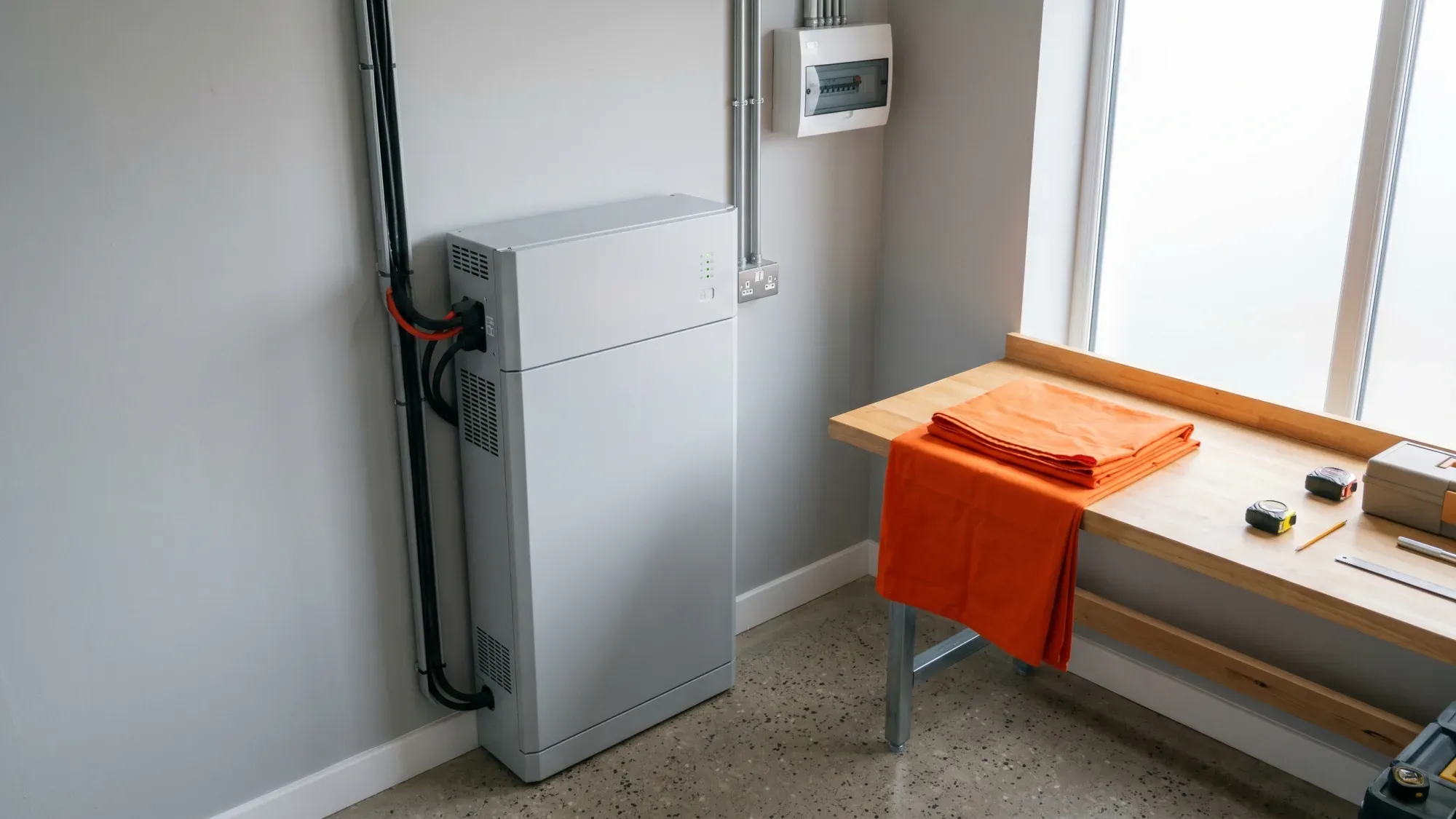
Home battery storage offers homeowners greater control over their energy, allowing them to store electricity for later use and reduce reliance on the grid. These systems can lower electricity bills, enhance energy independence, and provide backup power during outages. Optimising battery charging and discharging with smart energy tariffs is key to maximising financial returns.
What is home battery storage?
Home battery storage systems capture electricity and hold it for when you need it most. This could be energy generated by solar panels during the day, or cheaper electricity drawn from the grid during off-peak hours. Instead of immediately using or exporting surplus power, it is stored in a battery for later.
How home battery storage works
A home battery system typically connects to your home's electrical supply, often alongside an inverter. When there is excess electricity - perhaps from solar panels producing more than your home is consuming, or when grid electricity is cheaper overnight - the battery charges. When your home needs power, and electricity from the grid is more expensive or unavailable, the battery discharges, supplying your appliances. This cycle of charging and discharging helps you manage your energy consumption more efficiently.
Key components of a home battery system
A typical home battery system includes the battery unit itself, an inverter (which converts direct current (DC) electricity from the battery or solar panels into alternating current (AC) for your home), and a battery management system (BMS). The BMS monitors the battery's performance, ensuring safe and efficient operation. Some systems integrate the inverter directly into the battery unit, simplifying installation.
Benefits of home battery storage
Installing a home battery system can bring several advantages, from financial savings to increased energy security and a reduced carbon footprint.
Reducing electricity bills and saving money
By storing electricity when it is cheap (e.g., from solar generation or off-peak grid tariffs) and using it when prices are high, you can significantly reduce your electricity bills. This strategy, known as energy arbitrage, allows you to buy low and use high, cutting down on expensive peak-time imports from the grid. Home battery storage systems can represent a significant investment, but the financial benefits, especially when combined with smart energy management, can be substantial.
Achieving energy independence and backup power
A home battery system boosts your energy independence by reducing your reliance on the National Grid. You have a stored supply of electricity, giving you more control over your power. In the event of a power cut, many battery systems can provide backup power to essential circuits, keeping critical appliances running. This offers peace of mind and resilience against grid disruptions.
Environmental impact and carbon reduction
Using stored energy, especially from renewable sources like solar, directly contributes to lowering your home's carbon emissions. By reducing your demand for grid electricity during peak times, you are often drawing less power from fossil fuel-intensive generation. This shift towards self-consumption of clean energy helps support a greener energy system overall.
Types of home battery systems
The market offers various home battery systems, each with different characteristics suited to specific needs. Understanding these differences is crucial for choosing the right one.
Understanding battery chemistry
Most modern home batteries use lithium-ion technology, particularly lithium iron phosphate (LFP) due to its durability and safety. LFP batteries are known for their durability and safety, often coming with 10-year warranties. Older lead-acid batteries are less common for home storage due to their shorter lifespan and lower efficiency.
Grid-tied vs off-grid battery systems
Most UK home battery systems are "grid-tied," meaning they remain connected to the national electricity grid. This allows them to draw power from the grid when needed and export surplus electricity. Off-grid systems, on the other hand, operate entirely independently of the National Grid, relying solely on stored power from renewable generation. These are typically used in remote locations where grid connection is unfeasible or costly.
Standalone vs solar-integrated battery storage
Home batteries can be installed as a standalone system, charging directly from the grid during off-peak hours, or integrated with solar panels. A standalone battery can still save money by leveraging smart tariffs, charging when electricity is cheap and discharging when it is expensive. Solar-integrated systems store excess solar energy, maximising self-consumption and reducing reliance on the grid. If you already have solar panels, your installer will check if your current inverter is compatible or if an additional inverter is needed.
Choosing the right system for your home
Selecting the appropriate home battery system involves assessing your energy needs, understanding installation requirements, and finding a qualified installer.
Sizing your battery storage system
The ideal battery size depends on your household's electricity consumption and generation patterns. According to Ofgem, the average UK home uses around 2,500 kWh of electricity per year1. A larger battery provides more storage capacity but comes at a higher upfront cost. It is important to consider your daily electricity usage, how much solar energy you generate (if applicable), and your goals for the system (e.g., maximising self-consumption, backup power). A professional installer can help you assess your specific needs and recommend an appropriate size.
Installation considerations and requirements
Most domestic battery storage installations in the UK do not require planning permission, as they are considered permitted development, especially for internal units or those on unobtrusive external walls. However, exceptions apply to listed buildings, conservation areas, or if the unit is prominently visible from a highway. Regardless of planning permission, all installations must comply with UK building and electrical safety regulations, such as BS 7671. Your Distribution Network Operator (DNO) also needs to be notified of the installation.
Do home batteries need planning permission in the UK?
For most homes in England, a domestic battery is treated as permitted development, meaning a separate planning application is usually not needed. Exceptions include listed buildings, conservation areas, and prominent external placements. Building regulations and DNO notification still apply.
Finding a certified installer in the UK
Choosing a reputable installer is critical for performance and safety. Look for installers certified by schemes like MCS (Microgeneration Certification Scheme) and TrustMark. MCS is the UK standard for renewable energy installations, ensuring products and installers meet strict quality and safety standards. TrustMark is a government-endorsed quality scheme that ensures consumer protection for work carried out in and around the home. Using an MCS-certified installer is often a requirement for accessing schemes like the Smart Export Guarantee (SEG). The MCS scheme is currently undergoing redevelopment, with a transition period for installers until March 2027.
Grants and financial incentives
While there is not a universal government grant specifically for standalone home battery storage, several incentives can make these systems more affordable.
The Smart Export Guarantee (SEG)
The SEG requires licensed electricity suppliers to pay customers for electricity exported to the grid. If you have a home battery system, especially one paired with solar panels, you can store excess energy and export it when prices are favourable, earning money from your supplier. The rates vary between suppliers, so it is worth comparing.
Other potential grants and schemes for battery storage
The 0% VAT rate on the supply and installation of energy-saving materials, including solar panels and battery storage systems, applies until at least 31 March 2027. This can result in substantial savings. For low-income households, the Warm Homes: Local Grant programme may include battery storage as part of a larger energy efficiency upgrade package. Additionally, some mortgage providers offer cashback for green home improvements, including battery installations.
Maximising your home battery with Fuse Energy
Once you have a home battery system, optimising its performance is key to unlocking its full potential. Fuse Energy helps homeowners maximise their energy independence and financial returns by providing the tools and tariffs to make your battery work smarter. Fuse Energy does not install home battery storage systems but focuses on optimising their performance through smart energy supply and tariffs, and connecting customers with certified third-party installers.
Smart tariffs for optimal charging and discharging
Fuse Energy offers smart tariffs designed to complement your home battery. These tariffs allow you to charge your battery when electricity prices are lowest - typically overnight - and then use that stored energy during peak times when prices are higher. This intelligent approach to energy management ensures you are always getting the best value from your battery, reducing your reliance on expensive grid electricity.
Using the Fuse app for control and insights
The Fuse app provides real-time data and insights into your energy usage and battery performance. This transparency gives you unparalleled control, allowing you to monitor your charging and discharging cycles and understand how your battery is contributing to your savings. The app helps ensure your battery charges and discharges at optimal times, aligning with your tariff and energy needs.
Exporting surplus energy for financial return
With Fuse Energy, you can take full advantage of the SEG. If your home battery stores more energy than you need, you can export the surplus back to the grid. Fuse's tariffs are designed to help you maximise your return for this exported energy, turning your battery from a cost-saving device into an earning asset.
References
Disclaimer
For the avoidance of doubt, this article is provided for informational purposes only and is not intended to constitute legal or financial advice. The author and/or Fuse Energy shall not be responsible for any losses arising out of any reliance on the information contained herein.