Air source heat pump costs and how they work
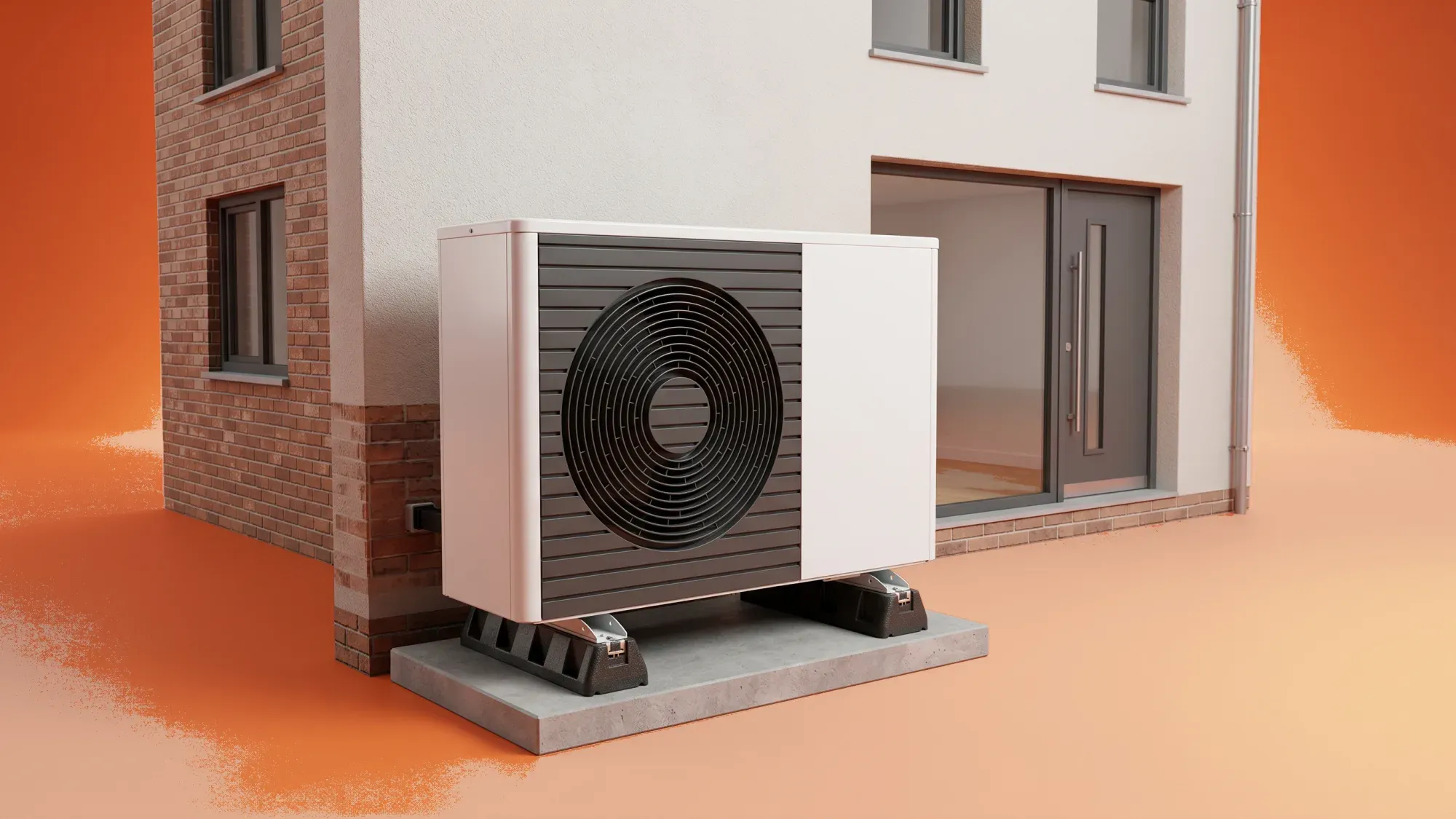
Air source heat pumps (ASHPs) extract heat from the outside air, even in cold temperatures, to warm your home and provide hot water. They are highly efficient, making them an attractive option for UK homeowners looking for greener heating. Understanding how ASHPs work, their benefits, installation costs, and available grants is key to making an informed decision.
What is an air source heat pump?
An air source heat pump is a low-carbon heating system that moves heat from one place to another, rather than generating it by burning fuel. This makes them a more energy-efficient alternative to traditional gas or oil boilers.
Understanding the technology
ASHPs operate on the same principle as a refrigerator, but in reverse. They absorb heat from the ambient air outside your home and transfer it inside to heat your radiators, underfloor heating, and hot water. This process works even when outdoor temperatures are below zero, making them suitable for the UK climate.
Key components of an ASHP system
A typical ASHP system consists of an outdoor unit, which looks similar to an air conditioning unit, and an indoor unit. The outdoor unit contains a fan that draws in air and a heat exchanger coil. Inside, a compressor, another heat exchanger, and a pump work together to distribute the heat throughout your home's heating system and hot water tank.
How air source heat pumps work
ASHPs function by harnessing the latent heat energy present in the air, even when it feels cold outside. This process involves a refrigerant that cycles through the system, changing state to absorb and release heat.
The refrigeration cycle in reverse
The core of an ASHP's operation is the vapour compression refrigeration cycle. A liquid refrigerant absorbs heat from the outside air, causing it to evaporate into a gas. This gas is then compressed, which increases its temperature significantly.
Extracting heat from the air
The now hot, high-pressure gas flows into a condenser coil within the indoor unit. Here, it transfers its heat to your home's heating system (water for radiators or underfloor heating), cooling down and condensing back into a liquid. This liquid then passes through an expansion valve, where its pressure drops, and it cools further, ready to absorb more heat from the outside air and repeat the cycle.
Distributing heat throughout your home
The heat collected and amplified by the ASHP is then circulated through your home's central heating system. This can be via traditional radiators, though underfloor heating systems often pair particularly well with ASHPs due to their lower operating temperatures. The system also heats your domestic hot water, stored in a hot water cylinder.
Benefits of air source heat pumps
Switching to an air source heat pump offers several advantages for UK homeowners, from environmental impact to potential financial savings.
High energy efficiency
ASHPs are remarkably efficient because they move heat rather than generate it. They can achieve efficiencies of 300% or more, meaning that for every 1 kWh of electricity consumed, they produce at least 3 kWh of heat. This contrasts sharply with traditional boilers, which typically operate at lower efficiencies.
Lower carbon emissions
By extracting heat from the ambient air, ASHPs significantly reduce reliance on fossil fuels for heating. This leads to a substantial decrease in your home's carbon footprint, contributing to a greener environment and aligning with national decarbonisation goals.
Potential for reduced running costs
While electricity powers an ASHP, its high efficiency means that the cost per unit of heat delivered can be lower than that of gas or oil, especially with the right energy tariff. This can lead to reduced heating bills over the long term, particularly as fossil fuel prices remain volatile.
Air source heat pump costs and grants
Understanding the financial aspects of installing an ASHP is crucial. While the upfront cost can be significant, government grants are available to help make them more accessible.
Typical installation costs
Air source heat pump installation costs typically range from £7,000 to £15,000 before grants. This figure can vary depending on factors such as the size of your home, the complexity of the installation, and any necessary upgrades to your existing heating system or insulation.
The Boiler Upgrade Scheme (BUS)
The UK government offers the Boiler Upgrade Scheme (BUS)1 to encourage the adoption of low-carbon heating technologies like ASHPs in England and Wales. This scheme provides a standard grant of £7,500 for air source and ground source heat pumps.
How does the BUS application work?
The MCS-certified installer applies for the BUS grant on the homeowner's behalf. The grant value is then deducted directly from the installation quote, meaning you only pay the reduced amount. Ofgem will contact the homeowner to confirm consent to the installer's application.
Since 21 July 2026, households in England and Wales currently using heating oil have been able to claim an uplifted £9,000 grant to move off the oil grid. To be eligible for the BUS grant, the installation must be carried out by an MCS-certified installer.
Other potential costs and savings
Beyond the initial installation, consider potential costs for home upgrades like improved insulation or larger radiators, which can maximise your ASHP's efficiency. However, these investments often lead to greater long-term savings on running costs. You can find more tips on how to reduce your energy consumption in our blog on energy efficiency tips.
Is an air source heat pump right for your home?
Deciding if an ASHP is suitable for your property involves evaluating several factors related to your home's structure and current heating setup.
Factors affecting suitability
Key considerations include your home's insulation levels, existing heat emitters (radiators or underfloor heating), and available space for both the outdoor and indoor units. Older, less insulated homes may require upgrades to achieve optimal ASHP performance.
Home insulation and heat emitters
ASHPs operate most efficiently when delivering heat at lower temperatures over longer periods. This makes good insulation crucial for retaining heat and reducing energy demand. If you have older, smaller radiators, you might need to upgrade them to larger ones or consider underfloor heating to ensure your home is adequately warmed by an ASHP system.
Finding an MCS-certified installer
To ensure a quality installation and be eligible for grants like the BUS, it is essential to find an MCS-certified installer. These installers meet industry standards for competence and consumer protection, providing peace of mind for your investment.
Optimising your ASHP running costs with Fuse Energy
Once your air source heat pump is installed, smart energy management becomes key to maximising its efficiency and minimising running costs. This is where Fuse Energy can help.
The role of smart tariffs
ASHPs are powered by electricity, making them ideal for smart energy tariffs. Fuse offers smart tariffs specifically designed to help ASHP owners maximise savings by using electricity when it's cheapest and cleanest. This often means running your heat pump during off-peak hours when demand on the grid is lower and renewable energy sources are more abundant. Understanding your energy price cap can also help you manage costs.
Monitoring usage with the Fuse app
Fuse's app provides real-time energy usage data, allowing ASHP owners to monitor and optimise their electricity consumption for efficient heating. You can see exactly how much energy your heat pump is using and adjust your heating schedule to align with cheaper tariff periods. This is made possible with a smart meter installation.
Maximising savings with Fuse
By optimising your ASHP usage with Fuse's smart tariffs and app features, you can enjoy comfortable heating without worrying about excessive costs. Fuse Energy aims to be the essential energy partner for ASHP owners, providing the tools to maximise savings and optimise electricity usage for this high-demand appliance.
References
- UK Government. Boiler Upgrade Scheme
Disclaimer
For the avoidance of doubt, this article is provided for informational purposes only and is not intended to constitute legal or financial advice. The author and/or Fuse Energy shall not be responsible for any losses arising out of any reliance on the information contained herein.