Are solar panels worth it?
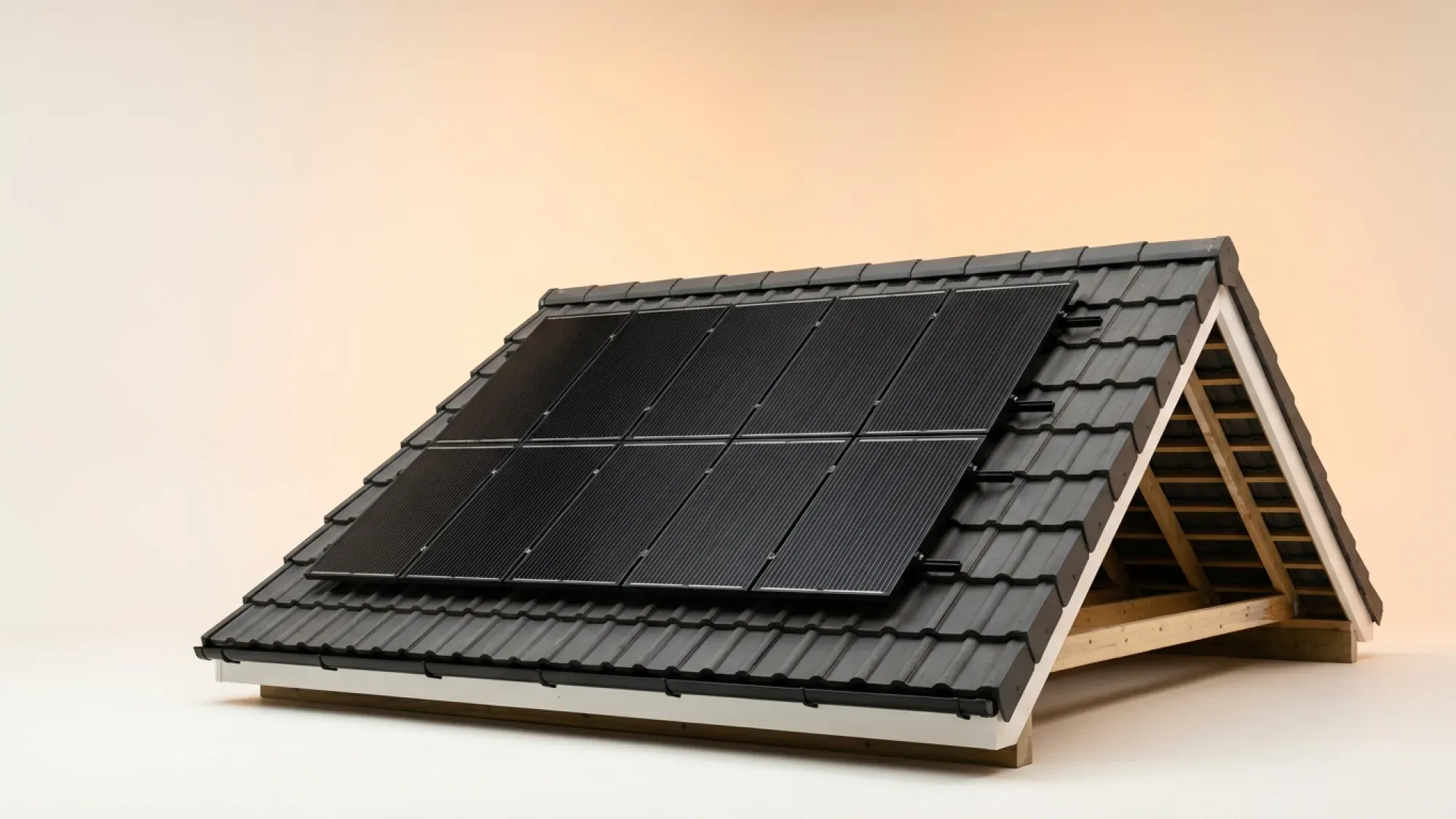
For many UK homeowners, solar panels are a sound investment, offering significant long-term savings and environmental benefits. The financial viability and long-term benefits of solar panels have improved, driven by decreasing installation costs and supportive government schemes.
Understanding solar panels for your home
Solar panels, also known as photovoltaic (PV) systems, convert sunlight into usable electricity for your home. This process reduces your reliance on grid power and can lower your energy bills.
How solar panels work
When sunlight hits a solar panel, the individual solar cells absorb the energy. These cells, typically made from semi-conducting materials like silicon, produce an electrical charge as they become energised. This creates a direct current (DC) of electricity. An inverter then converts this DC electricity into alternating current (AC) electricity, which is what your household appliances use. Solar panels can generate electricity even on cloudy days, not just in direct sunlight.
Key components of a solar PV system
A complete solar PV system involves several key components working together to generate electricity safely and efficiently:
- Solar panels (PV modules): These are the most visible part, converting sunlight into DC electricity.
- Inverter: This crucial component converts the DC electricity from the panels into AC electricity suitable for your home and the grid.
- Mounting system: This secures the panels safely to your roof, ensuring stability in various weather conditions and optimising their angle for sunlight exposure.
- Battery storage (optional): Batteries store excess electricity generated during the day for use later, such as in the evenings or on cloudy days.
- Wiring and connections: These safely connect all components within the system and to your home's electrical supply.
- Generation meter and grid connection: Your system connects to the National Grid, allowing you to export surplus electricity.
The financial case for solar in the UK
Investing in solar panels in the UK can lead to substantial financial benefits over their lifespan, making them an increasingly attractive option for homeowners.
Upfront costs and installation expenses
The cost of installing solar panels in the UK has become more accessible. For a standard domestic system, costs typically range from £4,000 to £10,000, with an average around £7,505 as of March 2026. A typical 4kW solar panel system, suitable for many homes, often costs between £6,500 and £8,500. Larger installations, premium equipment, or complex roof access can push prices higher.
Potential savings on electricity bills
One of the most immediate benefits of solar panels is the reduction in your electricity bills. By generating your own electricity, you decrease the amount you need to buy from the grid. According to Ofgem1, the average UK home uses around 2,500 kilowatt-hours (kWh) of electricity per year. Generating a significant portion of this yourself can lead to considerable savings. Some estimates suggest annual savings of £500-£900 for a typical 4.5kWp system.
The Smart Export Guarantee (SEG) and export tariffs
The Smart Export Guarantee (SEG) is a government-backed scheme that requires licensed electricity suppliers to pay homeowners for any surplus renewable electricity they export back to the National Grid. This means you can earn money from the energy your solar panels produce but you do not use yourself. SEG tariffs must always be above zero, though the rates can vary significantly between suppliers, so it is advisable to compare options. To be eligible for SEG, your installation must typically be certified under the Microgeneration Certification Scheme (MCS) and you need a smart meter capable of providing half-hourly export readings.
Calculating your payback period
The payback period for solar panels in the UK can vary, typically ranging from 8 to 13 years. Some sources suggest a payback period of 6-10 years. This period depends on factors such as the system size, your energy usage patterns, and the export rates you receive. After the initial investment is paid back, your system can generate pure profit for many years, with panels often having a 25-year warranty.
What is the typical payback period for solar panels in the UK?
The typical payback period for solar panels in the UK ranges from 8 to 13 years, though some homeowners may see returns in as little as 6 to 10 years. This timeframe is influenced by system size, individual energy consumption, and the rates received from SEG tariffs.
Available grants and VAT relief
Currently, there is a significant financial incentive for homeowners: VAT on solar panel installations in the UK is 0%. This temporary zero-rate VAT applies to residential properties and charitable organisations and is scheduled to continue until 31 March 2027, after which it is due to rise to 5% from 1 April 2027. This VAT relief makes the upfront cost of solar panel installation more affordable.
Environmental and lifestyle benefits
Beyond the financial returns, solar panels offer compelling environmental and lifestyle advantages.
Reducing your carbon footprint
Solar panels provide a clean, renewable energy source that significantly reduces your household's carbon footprint. Unlike fossil fuels, solar energy produces no harmful greenhouse gas emissions, directly contributing to the fight against climate change. A typical home solar system can save around one tonne of carbon per year.
Energy independence and security
Generating your own electricity makes you less reliant on the National Grid and external energy suppliers. This increased energy independence can offer greater security against fluctuating energy prices and potential supply disruptions. With solar, you have more control over your energy supply.
Increasing your property value
Installing solar panels can increase the value of your property. Homes with solar installations are often more attractive to potential buyers due to lower running costs and environmental credentials.
Practical considerations before installation
Before committing to solar panel installation, it is important to assess several practical aspects to ensure the system is right for your home.
Assessing your home's suitability
The effectiveness of solar panels depends on your home's characteristics. Factors like roof orientation (south, east, or west-facing roofs are generally best), shading from trees or other buildings, and the available roof space all play a role. A professional installer can conduct a survey to determine your home's suitability and recommend an optimal system size.
Choosing a reputable installer
Selecting a reputable and certified installer is crucial for a successful solar panel installation. Look for installers accredited by the MCS. MCS certification ensures that your installer meets high standards for safety, workmanship, product quality, and consumer protection. Without MCS certification, your system may not be eligible for benefits like the SEG.
Maintenance and lifespan
Solar panels are generally low-maintenance, often requiring just occasional cleaning to remove dirt or debris. They are built to be durable and withstand UK weather conditions. Most solar panels come with a performance warranty of 25 years or more. Inverters typically have a shorter lifespan of 10 to 15 years and may need replacement during the system's lifetime.
Maximising your solar investment with smart energy management
Once your solar panels are installed, smart energy management becomes key to getting the most out of your investment.
The role of battery storage
Integrating battery storage with your solar panels can significantly enhance self-consumption and maximise financial returns. Batteries store excess electricity generated during the day, allowing you to use your own clean energy in the evenings or when the sun is not shining, rather than buying from the grid. This reduces your reliance on imported electricity and increases your energy independence.
Dynamic tariffs and optimising export
Beyond simply exporting surplus electricity, dynamic tariffs can help you optimise your earnings. These tariffs often vary rates based on market demand, offering higher payments when the grid needs power most. By understanding when to export and when to store or consume your own energy, you can make strategic decisions to maximise your financial returns.
Real-time monitoring and control
Modern energy management systems and apps provide real-time data on your solar generation, home consumption, and electricity export. This transparency empowers you to actively manage your energy flow, making informed decisions about when to use appliances, charge your battery, or export to the grid for maximum value. This level of control allows you to shift from a 'use less' mindset to optimising your self-generated energy for greater financial return.
Making an informed decision
Deciding whether solar panels are worth it for your UK home involves weighing various factors.
Weighing the pros and cons
Solar panels offer numerous advantages, including reduced electricity bills, potential earnings from exported energy, a lower carbon footprint, and increased energy independence. However, they also involve an upfront investment and require suitable home conditions. For most UK homeowners with a suitable roof and reasonable electricity usage, the financial and environmental benefits make solar panels a worthwhile investment.
Long-term value and future-proofing your home
Solar panels provide long-term value, with systems designed to last for decades. They future-proof your home against rising energy costs and contribute to a more sustainable lifestyle. By embracing smart energy management, you can ensure your solar investment continues to deliver maximum benefits for years to come.
References
Disclaimer
For the avoidance of doubt, this article is provided for informational purposes only and is not intended to constitute legal or financial advice. The author and/or Fuse Energy shall not be responsible for any losses arising out of any reliance on the information contained herein.