Air source heat pump running costs
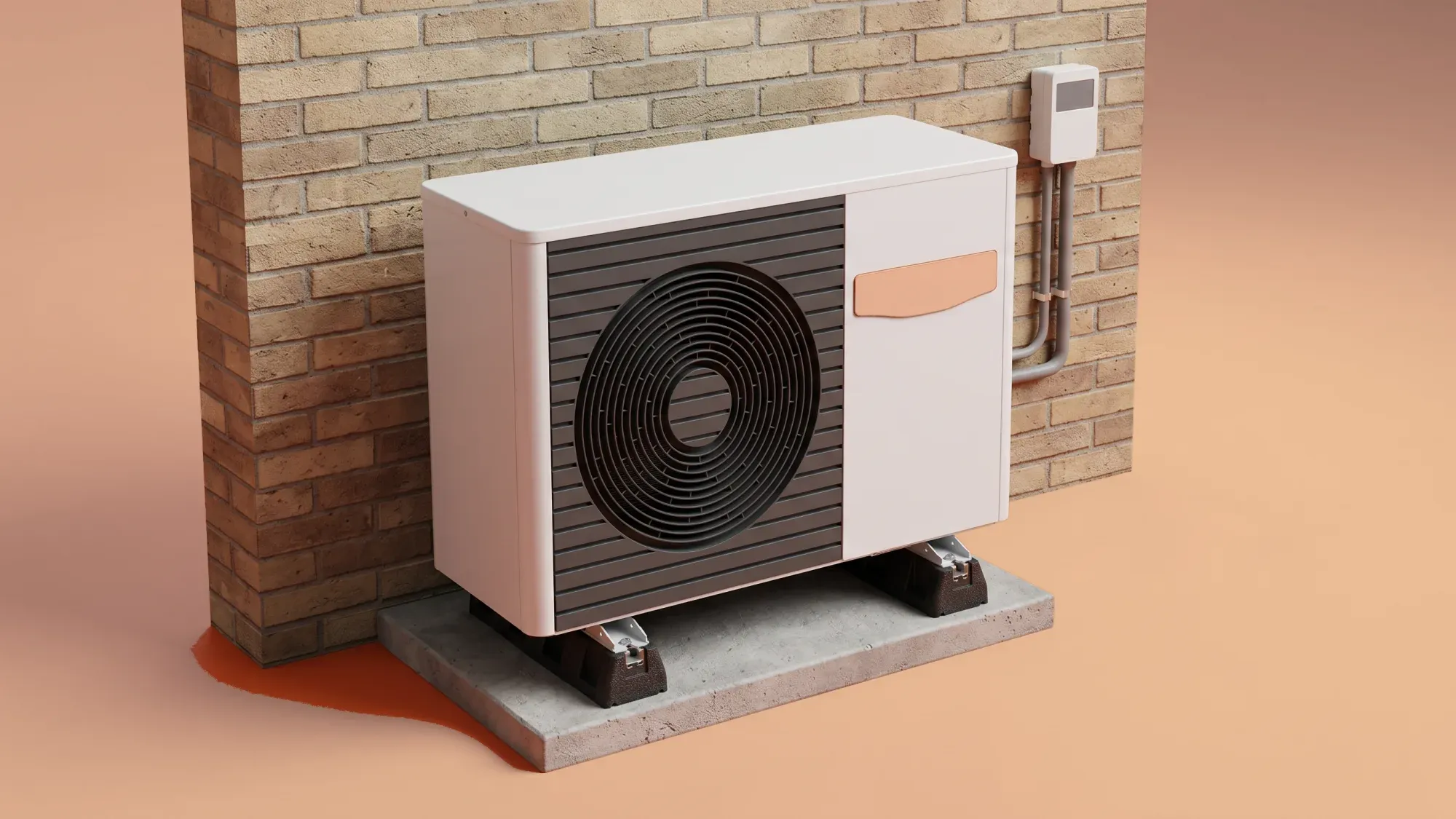
Understanding the running costs of an air source heat pump is crucial for homeowners considering this significant upgrade. While the upfront investment can be substantial, the long-term operational expenses are what truly impact your wallet. Air source heat pumps offer a powerful way to heat your home, but their efficiency and cost-effectiveness depend heavily on several factors, from your property's insulation to your electricity tariff.
Understanding air source heat pump running costs
Air source heat pumps are an increasingly popular choice for heating homes, offering an alternative to traditional gas boilers. But how much do they actually cost to run? The answer is nuanced, depending on how they work and what drives their operational expenses.
How air source heat pumps work
An air source heat pump operates by extracting heat from the outside air, even when temperatures are low, and transferring it into your home to provide heating and hot water. Unlike a gas boiler that burns fuel to generate heat, a heat pump uses electricity to power a compressor and circulate a refrigerant, effectively moving heat from one place to another. This process means they do not create heat in the same way, but rather move it, making them highly efficient.
Key components of running costs
The primary running cost for an air source heat pump is the electricity it consumes. This electricity powers the compressor, fan, and other components. Therefore, the cost is directly tied to the price of electricity and the system's efficiency. Other factors include maintenance and, indirectly, the overall energy efficiency of your home.
Factors influencing heat pump running costs
Several elements combine to determine how much you will pay to run your air source heat pump. Understanding these can help you manage and reduce your heating bills.
Property insulation and size
The better insulated your home, the less heat will escape, and the less your heat pump will need to work to maintain a comfortable temperature. A poorly insulated, large property will require the heat pump to run more frequently and for longer periods, significantly increasing electricity consumption and, consequently, running costs. Investing in upgrades like loft insulation, cavity wall insulation, and double glazing can dramatically reduce your heat pump's workload.
External temperature and climate
Air source heat pumps extract heat from the ambient air. While they can operate effectively in cold conditions, their efficiency can decrease as external temperatures drop. In very cold weather, the heat pump may need to work harder, potentially using more electricity. The UK's temperate climate generally suits heat pump operation well, but prolonged cold snaps can see a temporary increase in running costs.
System efficiency (CoP)
The efficiency of an air source heat pump is measured by its Coefficient of Performance (CoP). This figure indicates how many units of heat the pump produces for every unit of electricity it consumes. For instance, a CoP of 3.0 means the heat pump generates 3 kWh of heat for every 1 kWh of electricity used. Air source heat pumps can achieve efficiencies of 300% or more (a CoP of 3 or more) because they move existing heat from the outside air rather than burning fuel. A higher CoP translates directly to lower running costs.
What is a good CoP for an air source heat pump?
A good Coefficient of Performance (CoP) for an air source heat pump typically ranges from 3 or more. This means that for every unit of electricity consumed, the heat pump can produce 3 or more units of heat. A higher CoP indicates greater efficiency, leading to lower electricity consumption and reduced running costs for your heating system.
Electricity tariffs and usage habits
Electricity unit rates in the UK can vary significantly, especially with different tariffs. Standard variable tariffs are subject to price caps set by Ofgem, but fixed-rate or time-of-use tariffs can offer different pricing structures. Running your heat pump during off-peak hours, if you have a suitable tariff, can lead to substantial savings. Your personal heating habits - how warm you like your home and when - also directly impact how much electricity your heat pump uses. Understanding your energy bill can help you identify these patterns.
Maintenance and servicing
Regular maintenance is vital for keeping your air source heat pump running efficiently. Annual servicing ensures all components are working correctly, preventing minor issues from escalating into costly repairs and maintaining the system's optimal CoP. Neglecting maintenance can lead to reduced efficiency and higher electricity bills over time.
Air source heat pump vs gas boiler: a cost comparison
The decision to switch to an air source heat pump often comes down to a comparison with traditional gas boilers, particularly regarding running costs and long-term value.
Direct running cost comparison
Historically, gas has often been cheaper per unit of energy than electricity in the UK. However, the efficiency of heat pumps can offset this difference. While a modern gas boiler might be around 90% efficient, an air source heat pump can achieve efficiencies of 300% or more (a CoP of 3 or more) because it moves heat rather than generating it. This means that even with higher electricity prices, the overall cost to produce the same amount of heat can be comparable, or even lower, for a heat pump, especially in a well-insulated home. The average UK home uses around 2,700 kWh of electricity per year.
Environmental impact and long-term value
Beyond direct running costs, air source heat pumps offer significant environmental benefits by reducing carbon emissions, especially when powered by renewable electricity. This contributes to a greener home and aligns with long-term sustainability goals. Over their lifespan, which is typically longer than that of a gas boiler, heat pumps can offer substantial long-term value through a lower carbon footprint and potential energy savings, particularly as the electricity grid decarbonises.
Government support and incentives
To encourage the adoption of low-carbon heating systems, the UK government offers grants such as the Boiler Upgrade Scheme (BUS)1. This scheme provides a grant of £7,500 towards the installation of an air source heat pump in England and Wales, significantly reducing the upfront cost. These incentives make the transition to a heat pump more financially viable for many homeowners.
Optimising your heat pump's efficiency and running costs
Taking proactive steps can help you maximise your heat pump's efficiency and keep running costs in check.
Improving home energy efficiency
The single most impactful action you can take is to improve your home's insulation. This includes upgrading loft and wall insulation, sealing draughts, and ensuring efficient windows and doors. A well-insulated home retains heat more effectively, meaning your heat pump will not have to work as hard, directly reducing its electricity consumption.
Smart controls and scheduling
Modern heat pumps often come with smart controls that allow for precise scheduling and temperature management. Utilising these features to set different temperatures for different times of day, or even for different zones in your home, can prevent unnecessary energy use. Smart thermostats can also learn your habits and optimise heating patterns automatically. Homeowners often pair this with a smart meter installation to track usage.
Choosing the right electricity tariff
Researching and selecting an electricity tariff that suits your heat pump's operation is crucial. Time-of-use tariffs, for example, offer cheaper electricity during off-peak hours. If you can schedule your heat pump to run more during these periods, you can significantly reduce your overall running costs.
Regular maintenance for peak Performance
Just like a car, a heat pump needs regular servicing to perform at its best. Annual professional maintenance checks can identify and rectify any issues that might be reducing efficiency, such as refrigerant leaks or blocked filters. Keeping your system in top condition ensures it continues to operate at its peak CoP, saving you money in the long run.
Gaining control: the Fuse approach to heat pump costs
For homeowners, the promise of an air source heat pump is exciting, but the concern over unpredictable running costs can be a barrier. Fuse frames air source heat pumps as a way for homeowners to gain genuine control and predictability over their long-term heating costs, leveraging potentially cheaper energy and smart home integration.
Predictable energy with Fuse
Fuse empowers homeowners to gain unprecedented control and predictability over their heat pump running costs, shifting the balance of power into their hands. By providing potentially cheaper, abundant energy, Fuse makes the long-term running of air source heat pumps more economically attractive and less of a financial burden. This approach challenges the scarcity mindset around energy consumption, enabling homeowners to use their heat pumps for comfort without constant 'moral arithmetic' or fear of the bill.
Smart management for lower bills
Fuse aims to offer an all-in-one app and smart home integration with tools for real-time monitoring and optimisation. This will allow homeowners to actively manage and reduce their heat pump's running costs by understanding their energy usage patterns and making informed decisions. The goal is for you to see how much energy your heat pump is using, identify opportunities for savings, and adjust settings to take advantage of the cheapest energy periods.
Power to play with your heating
Choosing Fuse means you are not just installing a heat pump; you are making a choice that puts you in charge of your home's energy future. It is about having the freedom to heat your home comfortably, knowing you have the tools and the energy supply to manage costs effectively. With Fuse, the anxiety of fluctuating energy bills is replaced by the confidence of predictable, controllable heating expenses.
References
- UK Government. Boiler Upgrade Scheme (BUS)
Disclaimer
For the avoidance of doubt, this article is provided for informational purposes only and is not intended to constitute legal or financial advice. The author and/or Fuse Energy shall not be responsible for any losses arising out of any reliance on the information contained herein.