Zest warns weakening ZEV mandate targets will harm charging investment
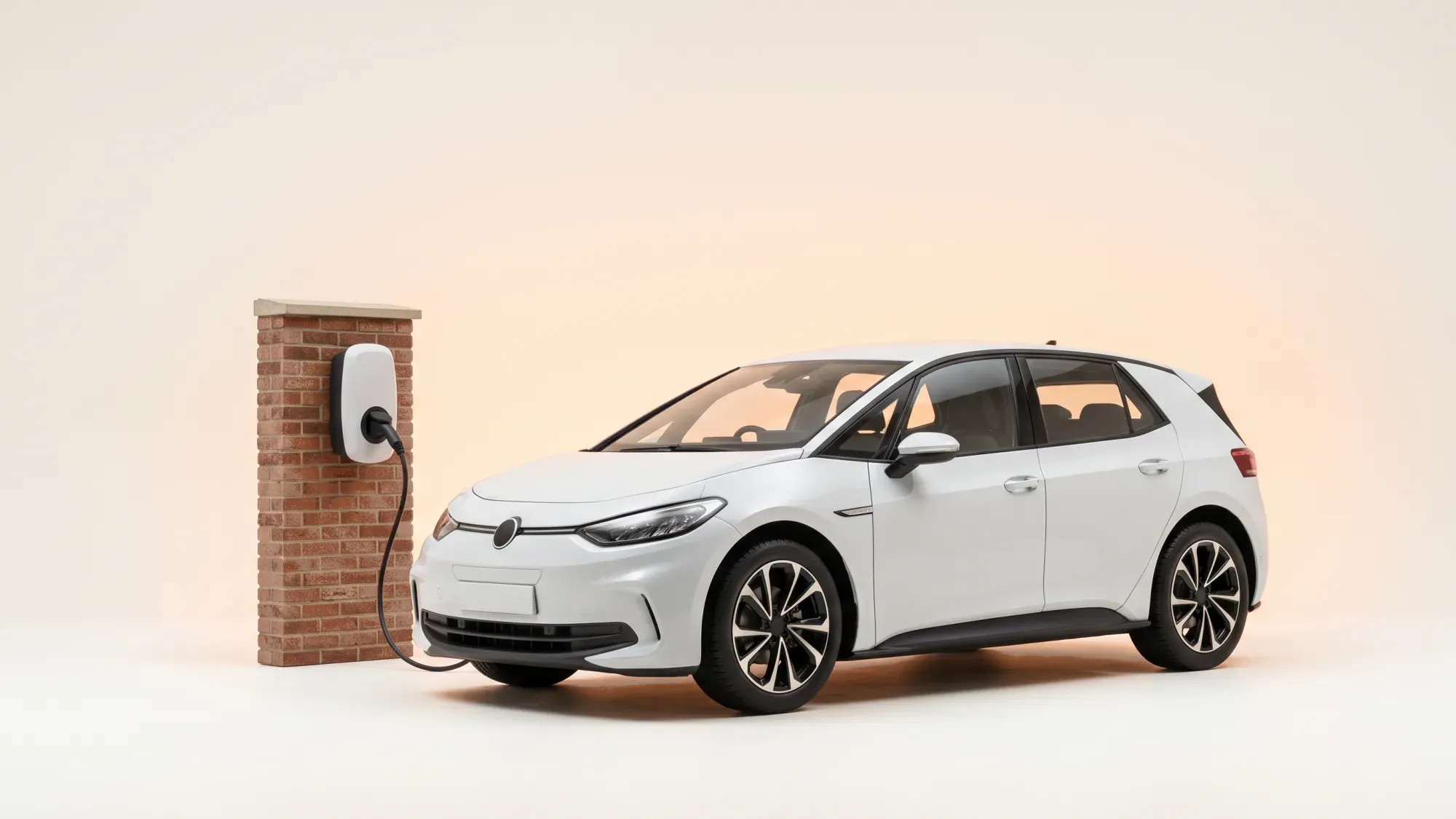
The UK's Zero Emission Vehicle (ZEV) mandate, introduced in January 2024, is a cornerstone of the nation's strategy to decarbonise transport and accelerate the shift to electric vehicles (EVs). However, a recent government consultation on proposed changes to the mandate's sales targets has sparked significant debate, particularly concerning its potential impact on investment in the country's vital charging infrastructure. Charge provider Zest has voiced strong opposition, arguing that weakening EV sales targets could undermine the confidence needed for continued private investment.1
As the UK transitions to electric vehicles, ensuring your home energy supply is ready is crucial. Fuse Energy offers smart tariffs and tools designed to help you manage your EV charging efficiently and affordably. Click here to switch to Fuse Energy today.
Enter your address to get a quote and see how much you could save
What is the UK Zero Emission Vehicle (ZEV) mandate?
The ZEV mandate is a government policy designed to compel car manufacturers to increase the proportion of Zero-Emission vehicles they sell each year. This regulatory framework is crucial for achieving the UK's net-Zero emissions targets by 2050 and improving air quality in urban areas.
Purpose and scope
At its core, the ZEV mandate aims to accelerate the transition away from petrol and diesel cars and vans by setting clear, escalating targets for manufacturers. A Zero-Emission vehicle, under this mandate, must produce no tailpipe CO2 emissions, meaning it must be fully electric or powered by hydrogen fuel cells; plug-in hybrids and conventional hybrids do not qualify. This policy encourages carmakers to expand their EV offerings and ensures a growing supply of electric vehicles for consumers.
Key targets for manufacturers
The mandate sets out a clear trajectory for EV sales. For cars, manufacturers must ensure that Zero-Emission models constitute a rising percentage of their total sales, starting at 22% in 2024. This figure is set to increase annually, reaching 80% by 2030, and ultimately 100% by 2035, when the sale of new petrol and diesel cars will be phased out. Manufacturers failing to meet these targets face financial penalties or must purchase credits from those who exceed their quotas.
The ZEV mandate's impact on charging infrastructure
The success of the ZEV mandate hinges not only on vehicle availability but also on the readiness of the supporting infrastructure, particularly the charging network. The mandate acts as a critical signal for investors, indicating the long-term growth trajectory of the EV market.
Driving investment in public charging
The ZEV mandate provides a clear "demand signal" to the market, reassuring investors that the number of electric vehicles on UK roads will continue to grow significantly. This certainty is vital for driving substantial private investment into public charging infrastructure, which requires long-term planning and considerable capital. Without a robust and expanding charging network, mass EV adoption would be severely hampered. Understanding the different types of EV charging points in the UK is essential for this expansion.
The role of private investment and Zest's concerns
Private companies play a crucial role in building out the UK's charging network. Zest, a charge provider operating over 3,300 chargers across the UK, has been particularly vocal about the importance of policy stability.
"If we weaken the demand signal, we risk weakening the investment that follows it. And that could leave the UK with a damaging chicken‑and‑egg problem - people won’t switch without convenient charging, but the infrastructure sector won’t invest at scale without confidence in future demand.” — Robin Heap, CEO of Zest
Zest highlights that charging infrastructure projects involve years of planning, from site identification and land agreements to grid connections and construction. Such long-term commitments are sensitive to policy uncertainty.
Ensuring a robust charging network
To ensure a robust charging network that can meet future demand, consistent investment is paramount. This requires a stable policy environment that gives investors confidence in the sustained growth of the EV market. Any perceived wavering in government commitment could deter the private capital needed to build out the necessary infrastructure, potentially slowing down the entire EV transition.
Government consultation and policy stability
The UK government is currently reviewing the ZEV mandate, a process that has introduced an element of uncertainty into the market.
Proposed changes to 2030 EV sales targets
The government launched a consultation around August 2026 to gather views on the ZEV mandate's current sales targets and potential adjustments. This review is considering whether the annual targets for manufacturers remain appropriate amidst global economic conditions and supply chain disruptions. While the government maintains that the end goal of phasing out new petrol and diesel cars by 2030 and achieving 100% Zero-Emission sales by 2035 remains unchanged, media reports have suggested that the 2030 target for 80% EV sales could be softened to figures such as 50%. The consultation is set to close on 23 October 2026.
Why policy stability matters for investment
Policy stability is crucial for attracting and retaining investment in any long-term infrastructure project. For the EV charging sector, a clear and consistent regulatory framework signals a predictable market, which is essential for investors making decisions over decades. Weakening sales targets could be interpreted as a reduction in the government's commitment to EV adoption, thereby undermining investor confidence and potentially diverting capital to more stable markets.
Industry reactions to potential weakening
Industry players like Zest have reacted strongly to the prospect of weakening the mandate. Robin Heap of Zest has stated that the UK "can't build tomorrow's charging network by weakening today's EV targets," emphasising that reducing the signal of market growth creates uncertainty at a critical juncture. Such concerns highlight the delicate balance between policy flexibility and the need for a stable investment climate to foster industry growth.
Energy grid readiness for mass EV adoption
Beyond charging points, the wider energy system must also be prepared for the significant increase in electricity demand that mass EV adoption will bring. This presents both a challenge and an opportunity for strategic investment and innovation.
Increased demand on the electricity grid
As more electric vehicles come onto the roads, the demand for electricity will naturally rise. This increased demand will place additional strain on the National Grid, necessitating upgrades and expansion of generation, transmission, and distribution infrastructure. The average UK home uses around 2,500 kWh of electricity per year, and mass EV adoption will significantly add to this demand. Meeting this challenge requires proactive planning and investment to ensure a reliable and resilient energy supply.
The importance of home charging solutions
Home charging is expected to be a primary method for many EV owners, making the readiness of residential electricity infrastructure particularly important. The ability for households to charge their vehicles conveniently and affordably at home is key to widespread EV adoption. This underscores the need for an energy system that can provide abundant, reliable electricity without causing concern for consumers. You can learn more about EV charging at home to understand the options available.
Building a future-proof energy system
Building a future-proof energy system involves not only expanding capacity but also integrating smart technologies to manage demand efficiently. Many energy suppliers are working to adapt the energy system to meet the evolving demands of an electrified future. This includes developing solutions that support the ZEV mandate's goals by providing the necessary energy infrastructure for mass EV adoption.
Navigating the future of UK electric vehicles
The path to a fully electric vehicle fleet in the UK involves navigating a complex landscape of policy, investment, and technological advancement.
Challenges and opportunities for the automotive industry
For automotive manufacturers, the ZEV mandate presents a dual challenge: meeting ambitious sales targets while adapting production lines and supply chains. However, it also offers significant opportunities for innovation, market leadership, and contributing to a sustainable future. The industry must balance these demands within a clear and predictable regulatory environment.
Strategic responses to ZEV mandate evolution
The ongoing consultation on the ZEV mandate underscores the dynamic nature of government policy. Strategic responses from all stakeholders - including manufacturers, charging providers, and energy companies - will be crucial. Maintaining a stable and clear policy direction is essential to ensure continued investment confidence and to support the sustained growth of the UK's electric vehicle market.
As the UK moves towards a greener future, managing your home energy effectively becomes more important than ever. Fuse Energy is committed to providing you with clear pricing, real-time usage data, and 24/7 human customer support, helping you take control of your energy bills. Switching to Fuse is quick and easy, designed to support your journey towards a more sustainable and affordable energy future. Click here to switch to Fuse Energy today. You can also learn more about our mission to build a future with power to play with here.
References
Disclaimer
For the avoidance of doubt, this article is provided for informational purposes only and is not intended to constitute legal or financial advice. The author and/or Fuse Energy shall not be responsible for any losses arising out of any reliance on the information contained herein.