Milton Keynes family achieves zero energy bills
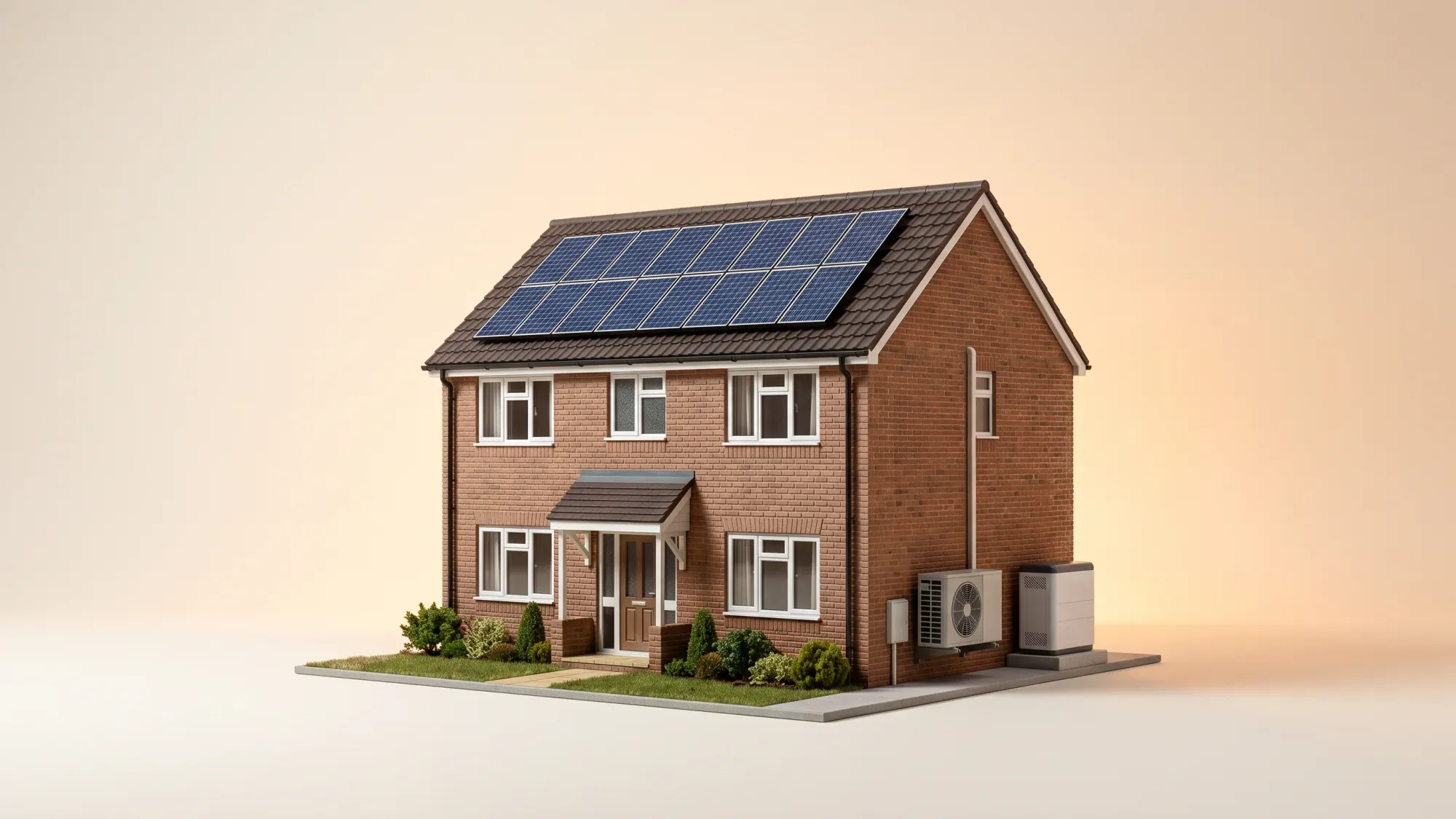
A family in Milton Keynes has successfully eliminated their energy bills by retrofitting their 1980s home with solar panels, a heat pump, and a battery, enabling them to join Octopus Energy's "Zero Bills" tariff1. This initiative highlights a growing trend towards energy independence, where properties generate as much, or even more, energy than they consume, effectively removing monthly energy costs.
If you're inspired by the idea of a zero bill home and want to manage your energy more effectively, Fuse Energy offers smart tariffs designed to work with renewable energy systems. Click here to switch to Fuse Energy.
Enter your address to get a quote and see how much you could save
Understanding the zero bill home concept
A zero bill home is a property engineered to balance its energy consumption with its own energy generation over a typical year. This means the household either pays nothing for its energy or, in some cases, even earns money by exporting surplus power back to the grid. It represents a shift from passive energy consumption to active energy management and self-sufficiency.
What defines a zero bill home?
A zero bill home is characterised by its ability to generate all the energy it needs, typically through renewable sources, and often includes storage solutions to manage supply and demand. The goal is to achieve net-zero energy consumption from the grid over a year, significantly reducing or eliminating energy bills. This approach also contributes to a substantial reduction in a home's carbon footprint.
The drive for energy independence
The motivation for pursuing a zero bill home often stems from a desire for financial savings, increased comfort, and a reduced environmental impact. For many, it's about taking control of their energy future amidst rising energy prices. Clare Naylor, whose Milton Keynes home achieved zero bills, highlighted the previous struggle:
"Our heating was only ever set to 18°C [although] we might boost it if the family were coming around. "Otherwise [it was] slippers, hot-water bottle, jumpers - that’s how you get through the winter.” — Clare Naylor
This sentiment resonates with many UK homeowners seeking to escape the cycle of high energy bills and achieve a warmer, more comfortable living environment.
Key technologies for energy independence
Achieving a zero bill home relies on integrating several key technologies that work together to generate, store, and efficiently use energy.
Solar panels: harnessing the sun
Solar panels are fundamental to most zero bill homes, converting sunlight into electricity. The amount of electricity generated depends on factors like panel efficiency, roof orientation, and local sunlight levels. Surplus electricity can be exported to the grid, potentially earning the homeowner through schemes like the Smart Export Guarantee (SEG).
Heat pumps: efficient heating and cooling
Heat pumps are an energy-efficient alternative to traditional boilers for heating and cooling. Air source heat pumps, for example, can achieve efficiencies of 300% or more, meaning they produce 3 kWh or more of heat for every 1 kWh of electricity used. This makes them a highly effective way to reduce heating costs and reliance on fossil fuels.
Home batteries: storing your own energy
Home batteries store excess electricity generated by solar panels for use when the sun isn't shining or during peak demand periods. This reduces reliance on grid electricity and maximises the value of self-generated power. Batteries are crucial for optimising energy independence and can help homeowners avoid high peak-time electricity rates.
The role of home insulation and energy efficiency
Before installing generation systems, improving a home's overall energy efficiency is paramount. This includes upgrading insulation in walls, lofts, and floors, installing double or triple glazing, and sealing draughts. A well-insulated home requires less energy to heat and cool, making the job of solar panels and heat pumps easier and more cost-effective.
Maximising efficiency and smart management
Once the core technologies are in place, smart energy management is key to truly optimising a zero bill home.
Optimising energy consumption
Smart home devices and energy management systems allow homeowners to monitor and control their energy usage. This includes scheduling appliances to run when electricity is cheapest or when solar generation is highest, and adjusting heating and cooling based on occupancy and external temperatures. The average UK home uses around 2,500 kWh of electricity per year, and optimising this consumption is vital.
Smart tariffs and grid interaction
Smart tariffs, like those offered by Fuse Energy, are designed to reward homeowners for using and exporting energy flexibly. These tariffs often have variable rates, encouraging consumption during off-peak hours or when renewable generation is high, and providing better rates for exporting surplus energy back to the grid. This interaction benefits both the homeowner and the wider energy system.
The importance of monitoring and data
Continuous monitoring of energy generation and consumption data is essential. This allows homeowners to identify patterns, make informed decisions about energy use, and ensure their systems are performing optimally. The Fuse app provides energy readings and meter status, empowering you to manage your generated and consumed energy effectively.
Financing your zero bill home
The initial investment for retrofitting a home can be substantial, but various financing options and grants are available to help make it more accessible. The Naylor family's retrofit, for example, was funded by Santander as part of a project to explore financing models for energy efficiency.
Government grants and schemes
The UK government offers several schemes to support homeowners in making energy-efficient improvements. For instance, the Boiler Upgrade Scheme (BUS) offers a grant of £7,500 for air source and ground source heat pumps in England and Wales. This grant is applied for by the MCS-certified installer on the homeowner's behalf, with the value deducted from the installation quote.
For electric vehicle owners, OZEV chargepoint grants are available for specific domestic scenarios, such as renters and flat owners, or households with on-street parking installing a cross-pavement solution, providing up to £500. It's important to note that for these grants, the customer applies directly via GOV.UK, and the installer does not apply on their behalf.
Green mortgages and financing options
Green mortgages are becoming increasingly popular, offering preferential interest rates or other benefits for properties that meet certain energy efficiency standards or for homeowners undertaking eco-friendly renovations. Mick Taylor from Santander highlighted that "Consumers are concerned that energy bills are only going one way", underscoring the relevance of such financing options. Personal loans or dedicated home improvement loans can also help cover the upfront costs.
Calculating your investment and payback
Understanding the potential return on investment (ROI) is crucial. This involves calculating the total cost of installation, factoring in any grants or subsidies, and estimating the annual energy savings. While the initial outlay can be significant, the long-term financial benefits, increased property value, and enhanced comfort often make it a worthwhile investment. The Naylor family's retrofit cost just under £20,000 after a government grant.
Your journey to a zero bill home with Fuse Energy
Achieving a zero bill home is a journey that requires careful planning and the right partners. Fuse Energy empowers UK homeowners on their journey to a zero bill home by providing smart tariffs and support that maximise the value of their renewable energy investments.
Assessing your home's potential
The first step is to assess your home's current energy consumption and identify areas for improvement. This might involve an energy audit to understand where energy is being lost and which technologies would offer the greatest impact. Consider your roof's suitability for solar, your property's insulation levels, and the feasibility of installing a heat pump or battery storage.
Choosing certified installers
For the installation of renewable energy technologies like solar panels, heat pumps, and home batteries, engaging MCS-certified installers is crucial. MCS certification ensures that installers meet high quality and safety standards, and it is often a prerequisite for accessing government grants. While Fuse Energy does not install these systems, we partner with homeowners who have them in place.
Partnering with Fuse for smart energy management
Once your home is equipped with renewable energy systems, Fuse Energy helps you optimise their performance. Our smart tariffs are designed to reward energy export and optimise consumption, aligning with a future of abundant energy. The Fuse app provides energy readings and meter status, empowering you to manage your generated and consumed energy effectively. With 24/7 human support, Fuse enables homeowners to maximise the benefits of their renewable energy investments, contributing to a more sustainable grid and helping you achieve your zero bill home goal.
Managing your home's energy should be straightforward and rewarding. Fuse Energy offers clear pricing, in-app usage data, and 24/7 human customer support to help you make the most of your energy setup. Switching to Fuse is quick and easy, allowing you to take control of your energy bills. Click here to switch to Fuse Energy today. You can also learn more about our mission to make energy abundant by clicking here.
References
Disclaimer
For the avoidance of doubt, this article is provided for informational purposes only and is not intended to constitute legal or financial advice. The author and/or Fuse Energy shall not be responsible for any losses arising out of any reliance on the information contained herein.