Wokingham data centre: emissions fears over 72MW natural gas plan
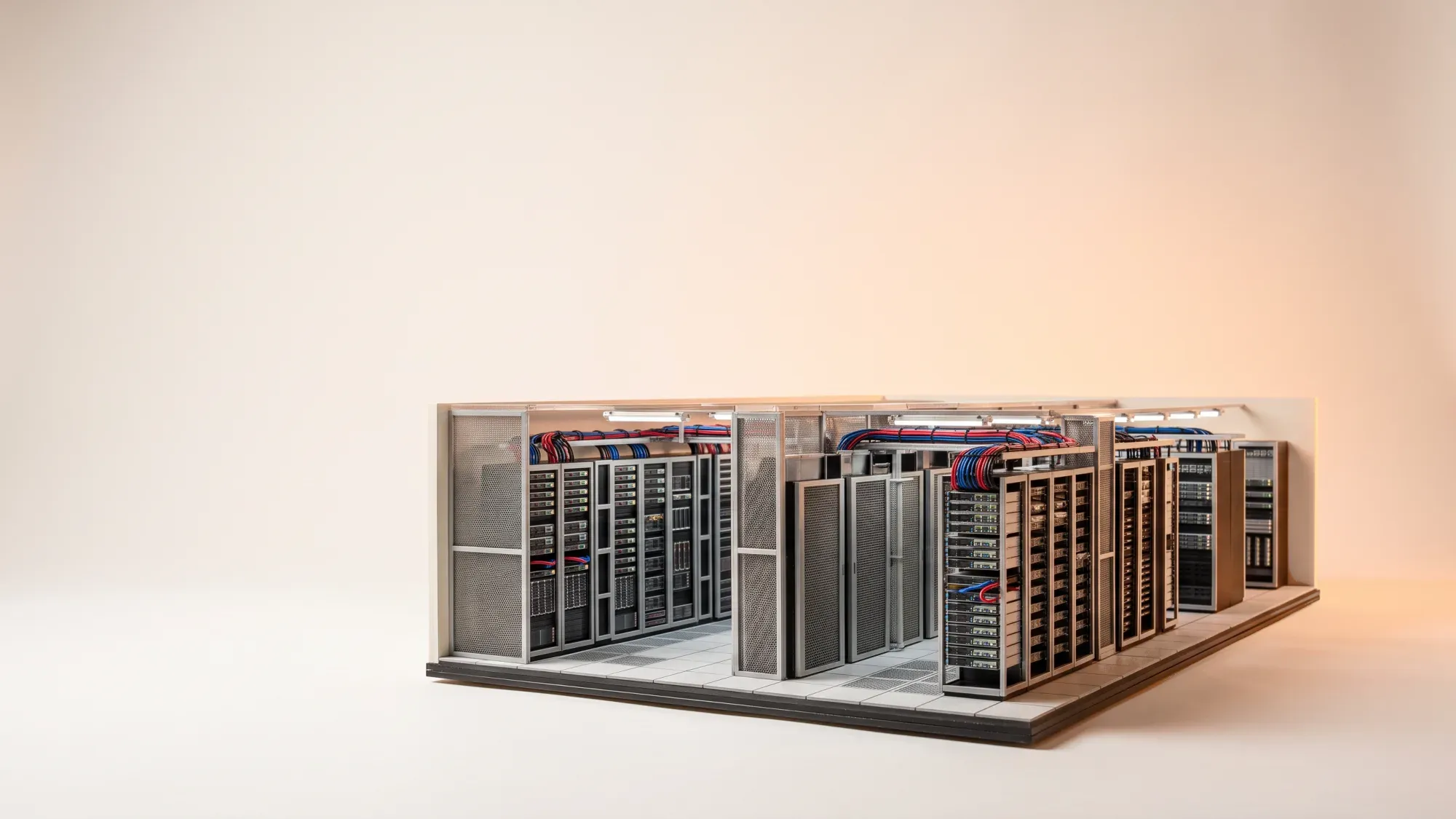
Local politicians in Wokingham are grappling with a complex challenge: balancing the economic promise of a new 72MW data centre with significant environmental concerns. A consortium is proposing the facility at the Microsoft campus in Thames Valley Park1, presenting it as a major investment and critical national infrastructure. However, the planned reliance on natural gas for power has ignited debate, particularly regarding its potential impact on the borough's climate goals.
Managing your home's energy should be straightforward and transparent. Fuse Energy offers clear pricing and real-time usage data through its app, helping you understand and control your energy consumption. Click here to switch to Fuse Energy today.
Enter your address to get a quote and see how much you could save
The environmental dilemma in Wokingham
The rapid expansion of digital infrastructure, including data centres, is essential for modern economies, yet it carries a substantial energy footprint. This expansion also brings concerns about land and water impacts and air quality. Wokingham Borough Council declared a climate emergency on 18 July 2019, and is committed to achieving carbon neutrality for the borough by 2030. This commitment, outlined in their Climate Emergency Action Plan, places local planning decisions under intense scrutiny, especially for projects with significant energy demands.
Balancing economic growth and climate goals
The proposed data centre in Wokingham highlights a growing tension between fostering economic development and adhering to environmental sustainability targets. Proponents argue the facility will reinforce the area's status as a technology hub, creating jobs and attracting investment. Data centres are indeed critical national infrastructure, powering essential services from banking to cloud computing. Yet, the method of powering such facilities directly impacts local and national decarbonisation efforts.
The proposed 72MW data centre at Thames Valley Park
Plans are advancing for a 72MW data centre at the Microsoft campus in Thames Valley Park. This facility, if built as proposed, would be a substantial energy consumer within the borough. The central point of contention stems from the developers' intention to power the centre with natural gas.
Unpacking the emission challenge
Data centres are inherently energy-intensive operations, requiring constant and reliable power. The sheer scale of energy consumption, coupled with the choice of power source, dictates their environmental impact.
Natural gas reliance and greenhouse gas impact
The decision to use natural gas for power generation at the Wokingham data centre is a major concern. Natural gas, while cleaner than some other fossil fuels, still produces significant carbon dioxide (CO2) and other greenhouse gases when burned, contributing to global warming. This reliance on fossil fuels directly conflicts with the broader push towards decarbonisation. More than 100 new data centres across the UK are reportedly planning to use gas for electricity, partly due to delays in connecting to the National Grid. Some are even exploring on-site gas-fired generation.
Scale of energy consumption: '20,000 kettles at once'
The energy demands of a 72MW data centre are immense. Energy expert Katrin Harding has illustrated this scale, comparing the proposed facility's output to everyday consumption.
"If the data centre really uses 72 megawatts, that’s twice the peak output of Barkham Solar Farm - like running 20,000 kettles at once." — Katrin Harding, Energy Expert
To put this into perspective, the average UK home uses around 2,500 kWh of electricity per year. This figure is often used to contextualise large energy projects. A 72MW facility operating continuously would consume a substantial amount of energy, making it a significant contributor to the local carbon footprint if powered by natural gas. Data centres currently account for about 2.5% of the UK's electricity demand, a figure projected to quadruple by 2030.
The overlooked impact of waste heat
Beyond direct emissions, data centres generate substantial amounts of waste heat. This heat is typically rejected into the atmosphere, which can have localised environmental impacts, particularly during heatwaves. Katrin Harding emphasised the need for "More modelling is definitely needed… particularly during heat waves," to properly assess this impact. While some developers mention potential heat reuse, this remains the exception rather than the norm in the UK.
How much waste heat do data centres produce?
Data centres generate significant volumes of low-temperature waste heat as a byproduct of their continuous operation. This heat is typically expelled into the atmosphere, but it can be captured and repurposed for district heating networks, supplying warmth to homes and businesses in nearby communities.
Pathways to sustainable data centres
Addressing the environmental concerns surrounding data centres requires a multi-faceted approach, focusing on energy sourcing, efficiency, and infrastructure.
Transitioning to renewable energy sources
The most impactful step towards sustainable data centres is a full transition to renewable energy. This involves sourcing electricity from wind, solar, biomass, or hydro power. Some data centre operators are already committing to 100% renewable energy, often through direct power purchase agreements or by developing dedicated on-site and off-site renewable projects. This shift not only eliminates direct emissions from power generation but also aligns with national decarbonisation targets.
Energy efficiency and waste heat recovery
Minimising energy consumption through advanced efficiency measures is crucial. This includes optimising cooling systems, improving server efficiency, and implementing smart energy management. Furthermore, recovering and reusing waste heat presents a significant opportunity. Projects in the UK are demonstrating how waste heat from data centres can be channelled into district heating networks, providing low-carbon warmth to thousands of homes and commercial spaces. This transforms a potential environmental burden into a valuable local resource.
Advanced grid infrastructure for digital demands
The growing energy demands of digital infrastructure necessitate a more robust and flexible energy grid. Investing in upgrades to local and National Grid infrastructure is essential to facilitate the integration of abundant, clean energy sources and to ensure reliable power delivery without resorting to fossil fuel backups. This includes expanding capacity for renewable generation and improving grid resilience.
A vision for abundant, clean energy
The challenges posed by energy-intensive digital infrastructure like the Wokingham data centre underscore the urgent need for a transformed energy system. Relying on natural gas for critical infrastructure is a short-term solution that undermines long-term climate goals.
Redefining digital infrastructure with sustainable power
Imagine a future where data centres, instead of being major emission sources, are seamlessly integrated into a clean energy ecosystem. This vision moves beyond the scarcity mindset that often leads to fossil fuel reliance. It champions a world where energy is so abundant and clean that high-demand sectors can thrive without compromising environmental integrity. This requires rebuilding the energy system from scratch, focusing on vertical integration and delivering vast amounts of the cheapest, cleanest energy possible.
The future of data centre energy in the UK
The UK's decarbonisation targets and the increasing demand for digital services mean that the energy choices for data centres are more critical than ever. The future of data centre energy in the UK lies in embracing scalable, clean alternatives. This involves large-scale renewable generation, advanced grid management, and innovative solutions like waste heat recovery. By challenging the default reliance on natural gas and advocating for truly clean, abundant energy, we can ensure that critical digital infrastructure supports both economic growth and a sustainable future.
At Fuse Energy, we believe in a better energy future. We're building a new energy system from the ground up to deliver abundant, clean energy to homes across Great Britain. Our mission is to make energy so abundant it stops being something you worry about. Join us in making energy work for everyone. Click here to switch to Fuse Energy today, or learn more about our mission here.
References
- Reading Chronicle. Climate fears over 75MW Wokingham data centre emissions
Disclaimer
For the avoidance of doubt, this article is provided for informational purposes only and is not intended to constitute legal or financial advice. The author and/or Fuse Energy shall not be responsible for any losses arising out of any reliance on the information contained herein.