Welsh data centre boom: energy and water under strain
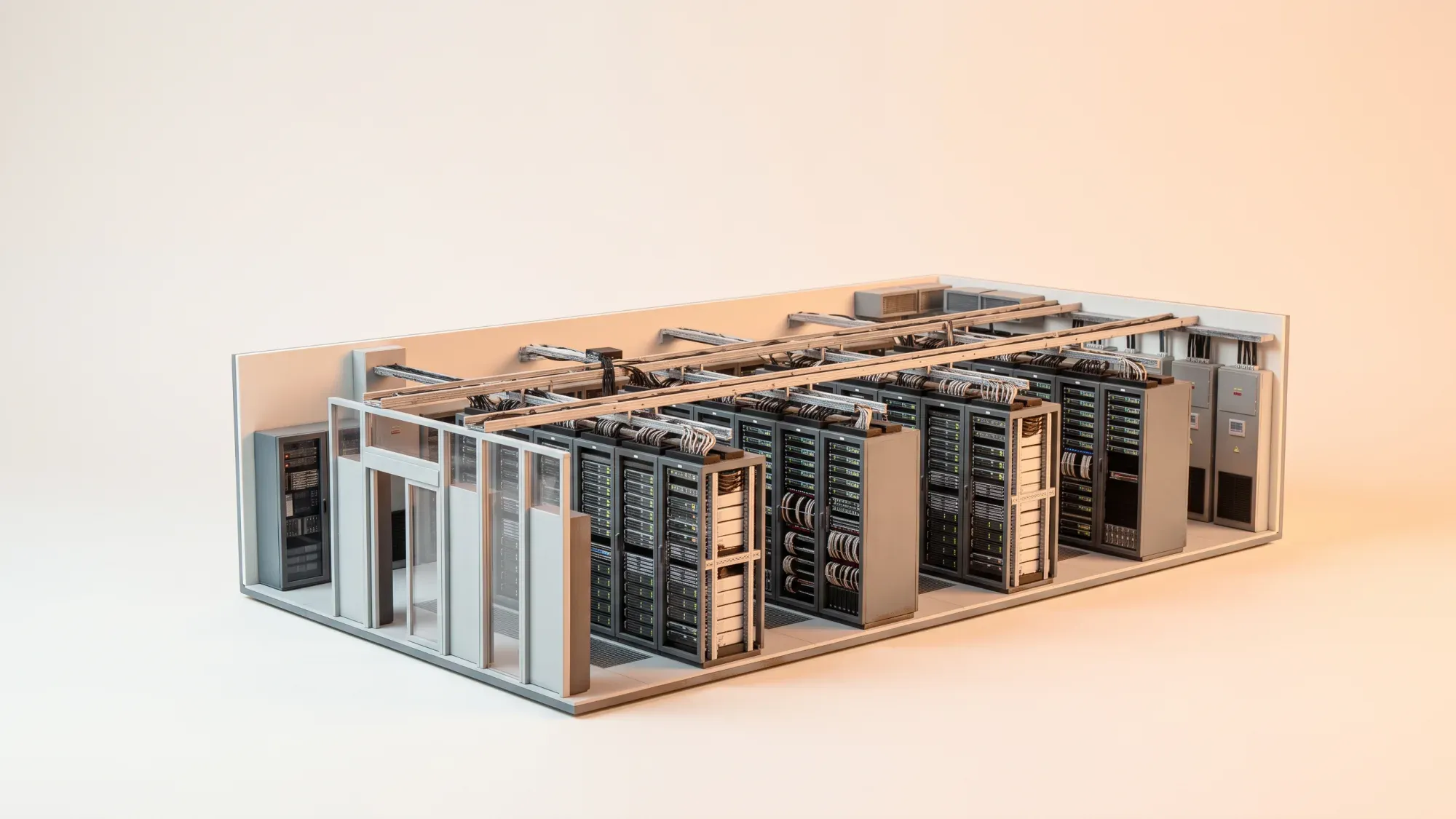
Wales is rapidly becoming a key location for artificial intelligence (AI) data centres, attracting significant investment and establishing itself as a leading UK hub outside London.1 However, this rapid expansion presents considerable infrastructure challenges, particularly concerning electricity and water supplies, and the existing planning system. The immense energy requirements of these new data centres highlight the need for innovative energy solutions.
As Wales embraces this digital transformation, ensuring a robust and sustainable energy supply is paramount. Fuse Energy is committed to building a future where energy is so abundant it supports technological advancements without compromise. Click here to switch to Fuse Energy.
Enter your address to get a quote and see how much you could save
Wales' rise as an AI data centre hub
The Welsh landscape is undergoing a significant transformation, positioning itself as a key player in the UK's burgeoning AI infrastructure. This growth is driven by the increasing global demand for computing power, particularly for AI, which requires large-scale "hyperscale" facilities to process vast amounts of data around the clock. Wales' existing fibre-optic connectivity, available industrial land, and access to electricity infrastructure have made it an attractive location for digital infrastructure development.
Investment and economic opportunity
The influx of investment into the Welsh data centre sector is substantial, with billions of pounds projected to transform the Welsh economy over the next decade. Mark Mansfield notes that this investment could significantly boost the region. This economic opportunity is expected to create thousands of jobs, although the long-term job creation figures are a subject of ongoing debate. The establishment of AI data centres in Wales brings with it the potential for significant economic growth and technological advancement.
"Billions of pounds of investment in artificial intelligence data centres could transform the Welsh economy over the next decade." — Mark Mansfield
The role of artificial intelligence infrastructure
Artificial intelligence infrastructure, particularly large-scale data centres, forms the backbone of modern technological progress. These facilities are essential for processing the vast datasets required to train and operate AI models, supporting everything from advanced analytics to autonomous systems. The development of AI data centres in Wales is therefore crucial for the UK's broader AI growth zone ambitions, fostering innovation and attracting further tech investment.
Unprecedented demands on infrastructure
While the economic prospects are considerable, the rapid expansion of the Welsh data centre industry places unprecedented demands on existing infrastructure. A Senedd Research briefing highlights concerns regarding the strain on electricity, water, and planning systems.
Electricity grid strain and capacity concerns
Proposed data centre developments in Wales could add over 1.4 gigawatts (GW) of capacity, which is nearly ten times the current operational capacity. This massive increase in demand poses a significant challenge to the electricity grid. For instance, the South Wales AI Growth Zone alone could require 13% of Wales' total electricity generating capacity by the early 2030s. Such figures underscore the need for substantial upgrades and strategic planning to ensure grid stability and capacity.
Water consumption for cooling data centres
Data centres, especially hyperscale facilities, require significant amounts of water for cooling their servers and maintaining optimal operating temperatures. This water consumption for cooling data centres is a growing concern, particularly in regions where water resources may already be under pressure. Liquid cooling data centre technologies are emerging, but the overall water footprint remains a critical environmental consideration.
Ofgem warnings on grid connections
The electricity network regulator, Ofgem, has issued warnings that the current electricity network cannot accommodate all proposed data centres seeking grid connections. This indicates a significant infrastructure challenge, with more data centres seeking to connect than the grid can currently support. The issue highlights the urgent need for investment and strategic development in grid infrastructure to facilitate the growth of the Welsh data centre sector.
Planning and environmental considerations
The rapid growth of the data centre boom in Wales also brings to the forefront critical planning and environmental considerations. Balancing economic opportunity with sustainable development is a key challenge for the Welsh government.
Current Welsh planning policy gaps
Currently, Welsh planning policy lacks specific provisions tailored for data centre developments. This gap can lead to uncertainties and potential conflicts in the planning process, as existing frameworks may not adequately address the unique requirements and impacts of large-scale digital infrastructure. Developing clear and specific planning guidance is essential to streamline development and ensure appropriate site selection.
Balancing growth with carbon budgets and sustainability
The energy and water demands of data centres have significant implications for Wales' carbon budget and overall sustainability goals. The Welsh government AI strategy must consider how to balance the economic benefits of data centre growth with environmental impact, including carbon emissions and resource depletion. This requires a focus on clean energy solutions and efficient resource management to ensure that growth is sustainable.
Community impact and long-term job creation
While data centres promise economic investment and job creation, their community impact and the nature of long-term job creation are often debated. The construction phase typically generates a substantial number of jobs, but the operational phase of a highly automated data centre may require fewer permanent staff. Understanding and mitigating local impacts, such as noise and visual intrusion, alongside maximising local employment opportunities, is crucial for community acceptance.
Addressing the energy challenge for Welsh data centres
The exponential energy demands of Welsh data centres highlight the need for a future where energy is so abundant it stops being a constraint for technological advancement. This requires a fundamental shift in how energy systems are conceived and built.
The need for abundant, clean energy solutions
Addressing the exponential energy demands of Welsh data centres requires a fundamental shift in how energy systems are conceived and built. The scale of demand suggests that relying solely on incremental upgrades to existing grids may not be sufficient to power the projected growth in the South Wales AI Growth Zone and beyond. The focus must be on generating terawatt-hours of the cheapest, cleanest energy possible to meet this demand without compromising environmental targets.
Rebuilding the energy system for future demand
Addressing the infrastructure strain from data centres requires a fundamental rebuilding and vertical integration of the energy system, not just incremental adjustments. This involves developing new generation capacity, enhancing grid resilience, and implementing advanced energy management systems. Such a comprehensive approach ensures that the energy system can support high-demand industries like AI data centres, fostering economic growth while adhering to carbon budget Wales commitments.
Innovations in power and cooling for hyperscale facilities
Innovations in power and cooling are critical for hyperscale data centres. This includes exploring advanced liquid cooling data centre technologies to reduce water consumption and improve energy efficiency. Furthermore, integrating data centres with local renewable energy sources and implementing smart grid technologies can help manage demand and supply more effectively, contributing to a more sustainable digital infrastructure Wales.
The future of digital infrastructure in Wales
The future of digital infrastructure in Wales hinges on strategic planning and investment that addresses both the opportunities and challenges presented by the data centre boom.
Strategic growth zones and regional development
Identifying and developing strategic growth zones, such as the South Wales AI Growth Zone and potential North Wales AI Growth Zone, is crucial for concentrated development and efficient infrastructure deployment. This regional development approach can help manage the impact on local communities and ensure that infrastructure investments are targeted where they are most needed.
Policy and investment for a sustainable future
To secure a sustainable future for the Welsh data centre industry, robust policy frameworks are needed. This includes updating Welsh planning policy to specifically address data centre developments and investing in grid infrastructure and clean energy generation. Cabinet Minister Adam Price noted, "We're living through a massive age of disruption, through AI and other related technologies, but, in that, there is opportunity as well, and we are well placed to grasp those opportunities". Such measures will ensure that Wales can continue to attract investment and position itself as a leading hub for AI, while also meeting its environmental and social responsibilities.
The rapid growth of digital infrastructure in Wales highlights the critical need for a modern, resilient energy system. Fuse Energy is committed to building a future where abundant, clean energy fuels innovation and growth without compromise. We're rebuilding the energy system from scratch to deliver the power the future requires. Switch to Fuse Energy today and be part of an energy future designed for abundance. Click here to get started.
References
- Nation.Cymru. What does the data centre boom mean for Wales?
Disclaimer
For the avoidance of doubt, this article is provided for informational purposes only and is not intended to constitute legal or financial advice. The author and/or Fuse Energy shall not be responsible for any losses arising out of any reliance on the information contained herein.