Kilmarnock unveils new ultra-rapid EV charging hub
Kilmarnock has launched new ultra-rapid electric vehicle (EV) charging bays at the Bellfield Interchange, marking a significant step in expanding the UK's EV infrastructure. Operated by the Motor Fuel Group (MFG), this hub on Riccarton Road offers 24-hour service, providing essential support for the growing number of EV drivers in Scotland and across the UK. This development is part of MFG's substantial £400 million investment into its EV charging network, aiming for 3,000 new bays by 2030.1
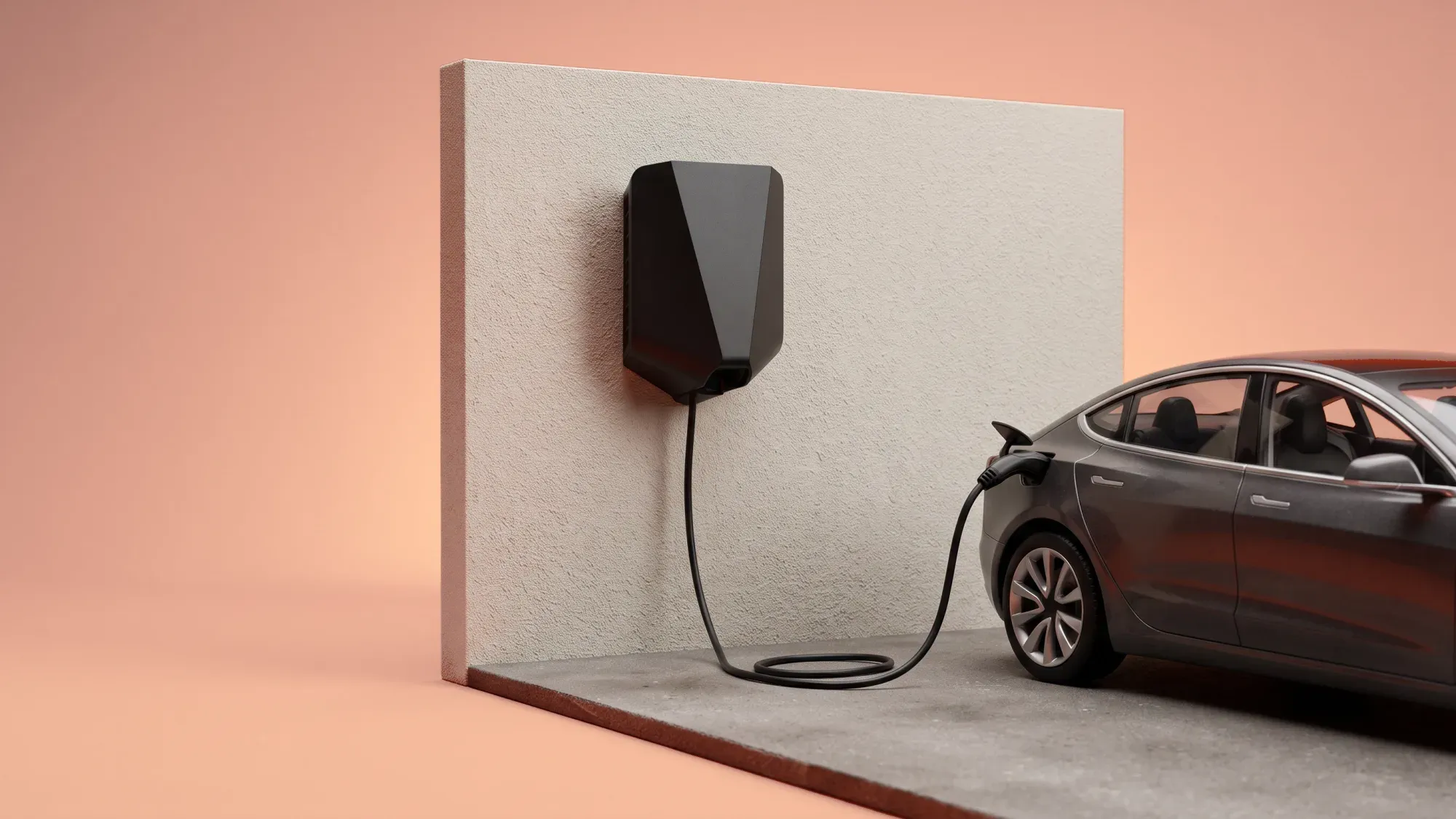
Looking to upgrade your home setup? Fuse Energy installs the Easee One smart home EV charger for a flat £899 including full installation, up to 15m of cabling, surge protection, and a 3-year warranty. Tap the quote button below to get started.
What is ultra-rapid EV charging?
Ultra-rapid EV charging is a game-changer for electric vehicle owners, dramatically cutting down the time it takes to replenish a battery. It represents the fastest tier of public charging available today, making longer journeys more feasible and convenient.
Defining ultra-rapid speeds
Ultra-rapid EV chargers deliver power at 150 kW (kilowatts) and above, often reaching up to 400 kW. This contrasts sharply with rapid chargers, which typically provide 50 kW to 149 kW, and fast chargers, which range from 8 kW to 49 kW. The high power output of ultra-rapid chargers means compatible EVs can add around 100 miles of range in as little as 10 to 20 minutes, depending on the vehicle's capabilities.
The need for speed: why it matters
The primary benefit of ultra-rapid charging is its ability to significantly reduce charging times. This speed is crucial for drivers on long journeys, allowing for quick top-ups that minimise downtime and keep travel plans on track. For many, the concern of running out of battery on the road, known as "range anxiety", is a major barrier to EV adoption. Ultra-rapid charging directly addresses this by providing quick and efficient charging solutions, making long-distance travel more practical and instilling greater confidence in EV ownership.
Benefits of ultra-rapid charging for EV owners
The expansion of ultra-rapid charging infrastructure offers tangible advantages for electric vehicle owners, enhancing the overall EV experience.
Maximising convenience and minimising downtime
Ultra-rapid chargers are strategically located along major routes and in key urban areas, offering convenience that mirrors traditional refuelling stops. The ability to add substantial range in minutes means drivers can spend less time waiting and more time driving, integrating seamlessly into busy lifestyles and road trips.
Enabling longer journeys and reducing range anxiety
With ultra-rapid charging, the prospect of long-distance travel in an EV becomes far less daunting. Drivers can confidently plan routes knowing that high-speed charging points are available to quickly boost their battery levels, effectively eliminating range anxiety. This accessibility is vital for making electric vehicles a viable option for all types of journeys, from daily commutes to cross-country trips.
Supporting EV adoption across the UK
The growing availability of ultra-rapid charging hubs, such as the new site in Kilmarnock, is fundamental to accelerating the adoption of electric vehicles across the UK. Reliable, fast charging infrastructure makes the switch to electric easier for local drivers and supports the government's broader goals for cleaner transport and decarbonisation.
The technology behind fast EV charging
Ultra-rapid charging relies on advanced technology to deliver power efficiently and safely to electric vehicle batteries.
Understanding charging power and connectors
Ultra-rapid chargers exclusively use Direct Current (DC) power, which bypasses the car's onboard converter and feeds electricity directly to the battery. This direct connection allows for much higher power delivery compared to Alternating Current (AC) chargers, which are typically found in homes or slower public charging points. The connectors used, such as CCS2 Combo and CHAdeMO, are designed to handle these high currents and voltages.
EV compatibility and charging curves
While ultra-rapid chargers offer impressive speeds, the actual charging rate is ultimately limited by the electric vehicle's maximum acceptance rate. A 350 kW charger will only charge a car at its maximum supported speed, for example, 150 kW, if that is the vehicle's limit. Furthermore, EV batteries have "charging curves" where the charging speed typically tapers off as the battery approaches full capacity (often above 80%) to protect battery health.
Addressing battery health concerns
A common concern among EV owners is the potential impact of frequent ultra-rapid charging on battery health. Modern electric vehicles are equipped with sophisticated Battery Management Systems (BMS) that monitor and regulate charging to prevent damage. These systems manage battery temperature and adjust charging speeds to protect the cells. While excessive and frequent high-power fast charging can lead to a slight increase in battery degradation over many years, for most drivers, using ultra-rapid chargers as intended for occasional long journeys is a normal and safe part of EV ownership.
Does ultra-rapid charging harm EV batteries?
Modern electric vehicles are designed with advanced BMS that protect the battery during ultra-rapid charging. While very frequent high-power charging can cause slightly more degradation over many years compared to slower charging, for most drivers using it for occasional long journeys, it is a safe and normal part of EV ownership.
Expanding the UK's ultra-rapid network: the MFG investment
The UK's electric vehicle charging infrastructure is undergoing rapid expansion, driven by significant investments from private operators like MFG.
The Kilmarnock Bellfield Interchange hub
The new ultra-rapid EV charging hub at Bellfield Interchange in Kilmarnock is a prime example of this expansion. It provides 24-hour service and is strategically located on Riccarton Road, offering vital charging facilities in Ayrshire. Kilmarnock and Loudoun MP Lillian Jones officially opened the site, highlighting that "Reliable, fast charging close to home makes the switch to electric easier for local drivers, and sites like this one help make sure our area isn't left behind as the country moves towards cleaner transport".
"Our Kilmarnock site demonstrates MFG’s commitment to delivering reliable, convenient ultra-rapid EV charging facilities to communities nationwide." — Martin Symes, EV Director at MFG
Motor Fuel Group's commitment to EV infrastructure
MFG is a major player in this expansion, committing £400 million to its EV charging network. The company aims to install 1,000 new bays in 2025 and approximately 3,000 by 2030. MFG has already deployed over 2,000 rapid and ultra-rapid charging bays across its 1,300 sites, representing more than 10% of the UK’s rapid and ultra-rapid EV infrastructure. This investment underscores a clear strategy to provide best-in-class public charging facilities.
The role of public charging in UK transport decarbonisation
The development of public ultra-rapid charging networks is crucial for the UK's transition to cleaner transport and its decarbonisation goals. The government has outlined strategies to accelerate the rollout of EV charging infrastructure, supporting the shift away from petrol and diesel vehicles. Investments by companies like MFG align with these national ambitions, ensuring that the necessary infrastructure is in place to support the increasing number of EVs on the road.
Optimising your EV charging strategy: home vs public
For electric vehicle owners, a balanced charging strategy that combines home and public options offers the best of both worlds: cost-effectiveness and convenience.
The role of smart home charging for daily use
For most daily charging needs, smart home charging remains the most economical and convenient option. Charging at home, particularly overnight, allows EV owners to take advantage of cheaper off-peak electricity rates, significantly reducing running costs. The average UK home uses around 2,500 kWh of electricity per year, and smart charging solutions can help manage this consumption efficiently.
Integrating ultra-rapid public charging for longer trips
Public ultra-rapid charging should be viewed as a valuable complement to home charging, primarily for longer journeys or when an unexpected top-up is needed. It provides the flexibility and speed required to cover significant distances without lengthy stops. By using public ultra-rapid chargers strategically, EV owners can ensure their vehicle is always ready for the road, while still keeping overall charging costs down.
Cost-effective charging with smart tariffs
Integrating smart home charging with smart tariffs allows EV owners to make a strategic 'power play' for cost-effectiveness and convenience. These tariffs often provide lower electricity rates during off-peak hours, enabling drivers to charge their vehicles when energy is cheapest. This intelligent energy management reduces reliance on potentially more expensive public charging for daily use, giving EV owners greater control over their charging costs and schedules.
The future of electric vehicle charging in the UK
The landscape of EV charging in the UK is evolving rapidly, with ongoing investment and technological advancements shaping a cleaner transport future.
Continued network expansion and investment
The commitment from private companies like MFG, alongside government initiatives, ensures the continued expansion of the ultra-rapid charging network across the UK. This growth is vital to keep pace with the increasing adoption of electric vehicles and to provide accessible charging options in more communities.
Advancements in charging technology
The future will likely see further advancements in charging technology, including even higher power outputs and more efficient charging processes. These innovations will continue to reduce charging times and improve the overall user experience, making EV ownership even more appealing.
Supporting cleaner transport initiatives
Ultimately, the expansion and improvement of EV charging infrastructure are central to the UK's ambition for cleaner transport. By making electric vehicles a practical and convenient choice for more people, these developments contribute directly to reducing carbon emissions and achieving national decarbonisation targets. This ongoing commitment to green transport initiatives paves the way for a future where EV charging is never a concern, and energy is abundant.
Looking to upgrade your home setup? Fuse Energy installs the Easee One smart home EV charger for a flat £899 including full installation, up to 15m of cabling, surge protection, and a 3-year warranty. Tap the quote button below to get started.
References
Disclaimer
For the avoidance of doubt, this article is provided for informational purposes only and is not intended to constitute legal or financial advice. The author and/or Fuse Energy shall not be responsible for any losses arising out of any reliance on the information contained herein.