UK-US fusion partnership: new agreements accelerate clean energy
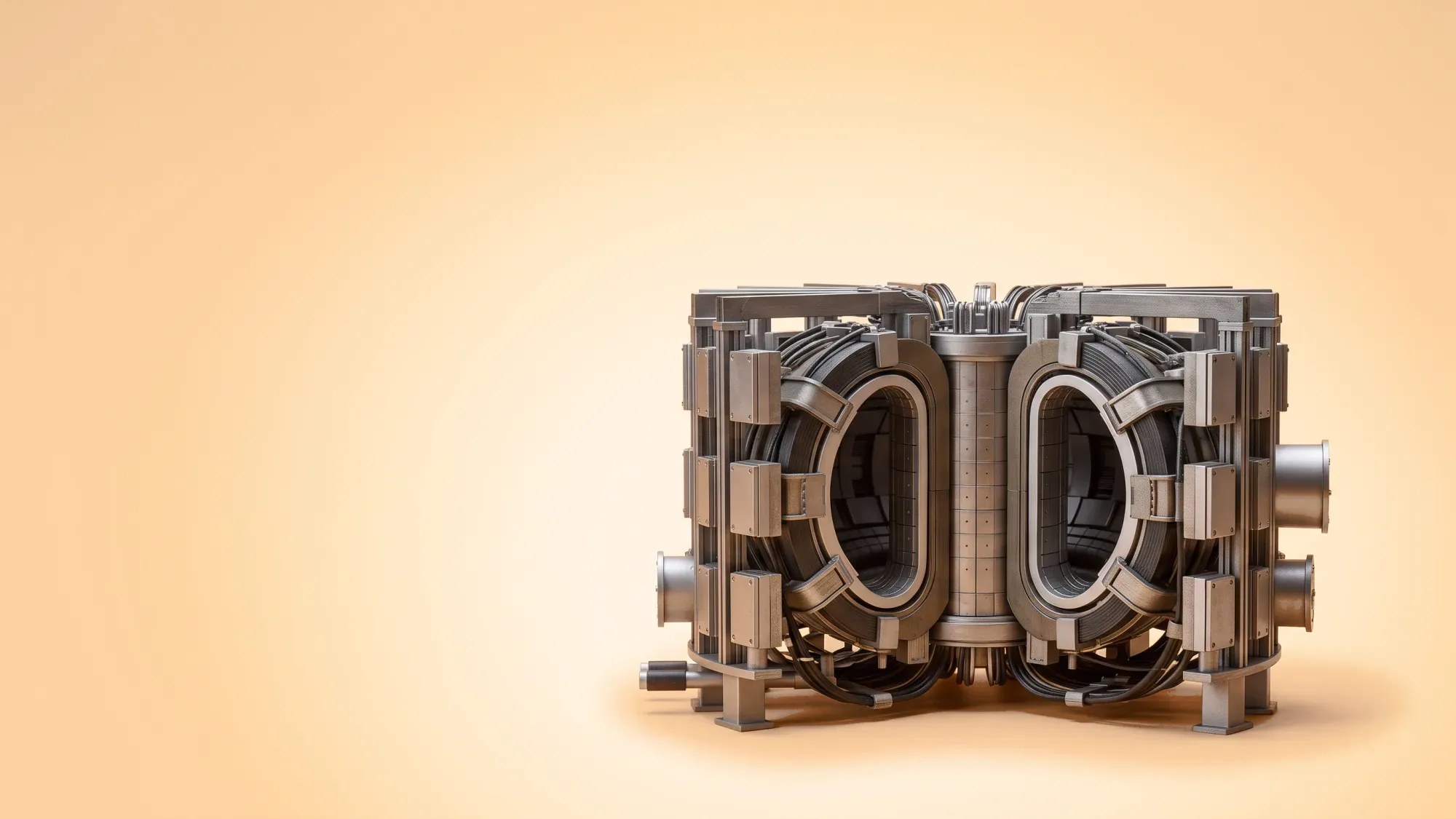
The UK and US are forging a "fusion strike partnership" to accelerate the development and commercialisation of fusion energy, marking a critical, tangible step towards realising a future with 'power to play with' - a world where energy is so abundant it stops being a thing you think about. This transatlantic collaboration aims to generate over 10,000 jobs in the UK by 20301 and attract significant investment into the burgeoning sector.
This partnership aligns with the broader goal of securing a future with abundant, clean energy. At Fuse Energy, we believe in making energy simple and accessible for your home. Click here to switch to Fuse Energy today.
Enter your address to get a quote and see how much you could save
The UK-US fusion energy partnership: a strategic overview
The partnership underscores a shared commitment to harnessing fusion, the process that powers the sun, to provide a virtually limitless source of clean energy without carbon emissions. This strategic alliance is designed to accelerate the global pursuit of commercial fusion power, turning cutting-edge research into economic growth and cementing Britain's position as a world leader in fusion energy.
Goals of the 'fusion strike partnership'
The primary goal of the "fusion strike partnership" is to expedite the journey towards commercial fusion energy. This involves combining world-leading expertise, attracting investment, and fostering an environment conducive to rapid innovation and deployment. Minister for Energy, Michael Shanks, highlighted the transformative potential, stating, "Fusion has the potential to provide virtually limitless clean energy while supporting more than 10,000 jobs across the UK by 2030, attracting investment and creating major opportunities for British businesses". FCDO Minister for the Americas, Chris Elmore, further emphasised that "The UK’s relationship with the United States supports growth and thousands of jobs at home".
The vision for commercial fusion power
The vision extends beyond scientific breakthroughs to establishing a robust commercial fusion industry. The UK has already demonstrated its commitment by becoming the first country to develop a dedicated market framework for fusion energy in March 2026, aiming to provide certainty for investors and support future commercial deployment. This proactive approach, coupled with the UK's Fusion Investment Prospectus, positions the nation to capture opportunities in a global fusion market estimated to be worth between £3 trillion and £12 trillion. The UK government's STEP (Spherical Tokamak for Energy Production) programme, for instance, aims to deliver a prototype fusion power plant by 2040, transforming the West Burton site in Nottinghamshire into a hub for clean energy and economic growth.
Pillars of collaboration: supercomputing and regulation
Two new agreements, signed at the Global Fusion Summit in London, form the bedrock of this enhanced cooperation. These agreements address critical areas: accelerating research through advanced computing and establishing a harmonised regulatory landscape to attract investment.
The UKAEA-PPPL supercomputing alliance
A significant development is the launch of a supercomputing partnership between the UK Atomic Energy Authority (UKAEA) and Princeton Plasma Physics Laboratory (PPPL) . This alliance will leverage world-leading expertise in AI, advanced computing, and fusion to accelerate the development of commercial fusion. It will involve the UKAEA's SUNRISE supercomputer.
What is the UKAEA-PPPL supercomputing partnership?
This supercomputing partnership between the UK Atomic Energy Authority (UKAEA) and PPPL will combine expertise in AI, computing, and fusion. It aims to train AI models on experimental data from both national laboratories, accelerating the design cycle for future fusion power plants.
SUNRISE is a significant AI supercomputer dedicated to fusion energy, backed by £45 million from the UK government and forming the first phase of computing infrastructure for the AI Growth Zone at UKAEA's Culham Campus. This collaboration will enable researchers on both sides of the Atlantic to train AI models on experimental data. By combining supercomputing power and expertise, the partnership aims to shorten the design cycle for future fusion power plants and make better use of existing experiments. The goal is to develop digital twins of fusion machines, allowing scientists to test modifications and predict machine behaviour in a software environment before physical implementation, significantly reducing time and cost.
Harmonising fusion energy regulation
The second key agreement is a Joint Statement committing to enhanced cooperation on regulating fusion energy. This is designed to attract investment and stimulate sector growth by reducing compliance uncertainty for private capital. The UK has been a pioneer in this area, having established a dedicated regulatory framework for fusion energy in March 2026 and published a draft Fusion National Policy Statement to support the future deployment of fusion power plants. This regulatory alignment aims to create a predictable environment for investors, fostering the growth of a global fusion market.
Economic impact and job creation in the UK
The partnership is not just a scientific endeavour; it is a strategic economic initiative with significant implications for the UK. The government projects that the fusion sector will deliver over 10,000 jobs across the UK by 2030.
Projected growth and investment opportunities
The UK Fusion Investment Prospectus, recently published, outlines the nation's offer to companies and investors, aiming to attract capital into the sector. This includes initiatives like the £180 million Lithium Breeding Tritium Innovation (LIBRTI) programme, a unique facility addressing a key technical challenge for future fusion power plants. Furthermore, the AI Growth Zone at Culham, with a £125 million investment including £45 million for the SUNRISE supercomputer, is positioning the UK at the forefront of using AI and advanced computing for fusion research.
"Fusion has the potential to provide virtually limitless clean energy while supporting more than 10,000 jobs across the UK by 2030, attracting investment and creating major opportunities for British businesses." — Michael Shanks, Minister for Energy
Beyond the direct UK-US agreements, collaborations such as the £2.63 million partnership between the University of Birmingham, Electric Power Research Institute, and industry partners on fusion materials (through the FURESHMA programme) are strengthening UK industrial capability. Japan's Kyoto Fusioneering is also investing up to £3 million in Project ALBION in the UK, supporting material development and testing for the STEP programme. These investments highlight the growing confidence in the commercial viability of fusion energy and its potential to drive economic prosperity.
Fusion's role in UK energy security
Fusion energy offers the promise of a secure, abundant, and low-carbon energy source, significantly contributing to the UK's energy security and net-zero goals. By replicating the process that powers the sun, fusion produces vast amounts of energy without carbon emissions during operation. This aligns with Fuse's mission to deliver abundant, clean energy, challenging the scarcity mindset and building towards a future where energy is not a constraint. The development of a domestic fusion industry reduces reliance on imported energy sources, bolstering national resilience and providing a stable, long-term energy supply.
Accelerating the future of clean energy
The UK-US partnership represents a significant leap forward in the global race for fusion power, but the journey to commercialisation still involves considerable scientific and engineering challenges.
Overcoming challenges in fusion commercialisation
While the potential of fusion energy is immense, achieving commercial viability requires overcoming hurdles such as plasma turbulence, materials development, and tritium fuel breeding. Programmes like LIBRTI are directly addressing the challenge of tritium production, a critical fuel for future fusion power plants. The supercomputing alliance, with its focus on AI and digital twins, is designed to accelerate solutions to these complex problems, shortening the design cycle for future power plants. The regulatory cooperation also plays a vital role by creating a stable framework that encourages the private investment necessary to tackle these challenges.
The global race for fusion power
The UK-US partnership is a powerful example of international collaboration in a competitive global landscape. By combining resources and expertise, both nations are accelerating the pace of innovation and sharing the risks and rewards of this ambitious undertaking. This collaboration not only benefits the UK and US but also contributes to the broader global effort to achieve clean energy solutions. The goal is to move fusion from a scientific frontier to a cornerstone of industrial strategy and energy security, ultimately enabling a future with abundant, clean energy for all.
The pursuit of fusion energy highlights a global commitment to a cleaner, more abundant energy future. While large-scale fusion is still on the horizon, you can take control of your home energy today. Fuse Energy offers clear pricing, real-time usage data through our app, and 24/7 human customer support, making it easier to manage your bills and understand your consumption. We're building a future where energy is abundant and accessible for everyone. Click here to switch to Fuse Energy today and join us on our mission to redefine energy for your home. You can also learn more about our vision for an abundant energy future by clicking here.
References
Disclaimer
For the avoidance of doubt, this article is provided for informational purposes only and is not intended to constitute legal or financial advice. The author and/or Fuse Energy shall not be responsible for any losses arising out of any reliance on the information contained herein.