Innovate UK launches £3 million ultra-long-duration energy storage competition
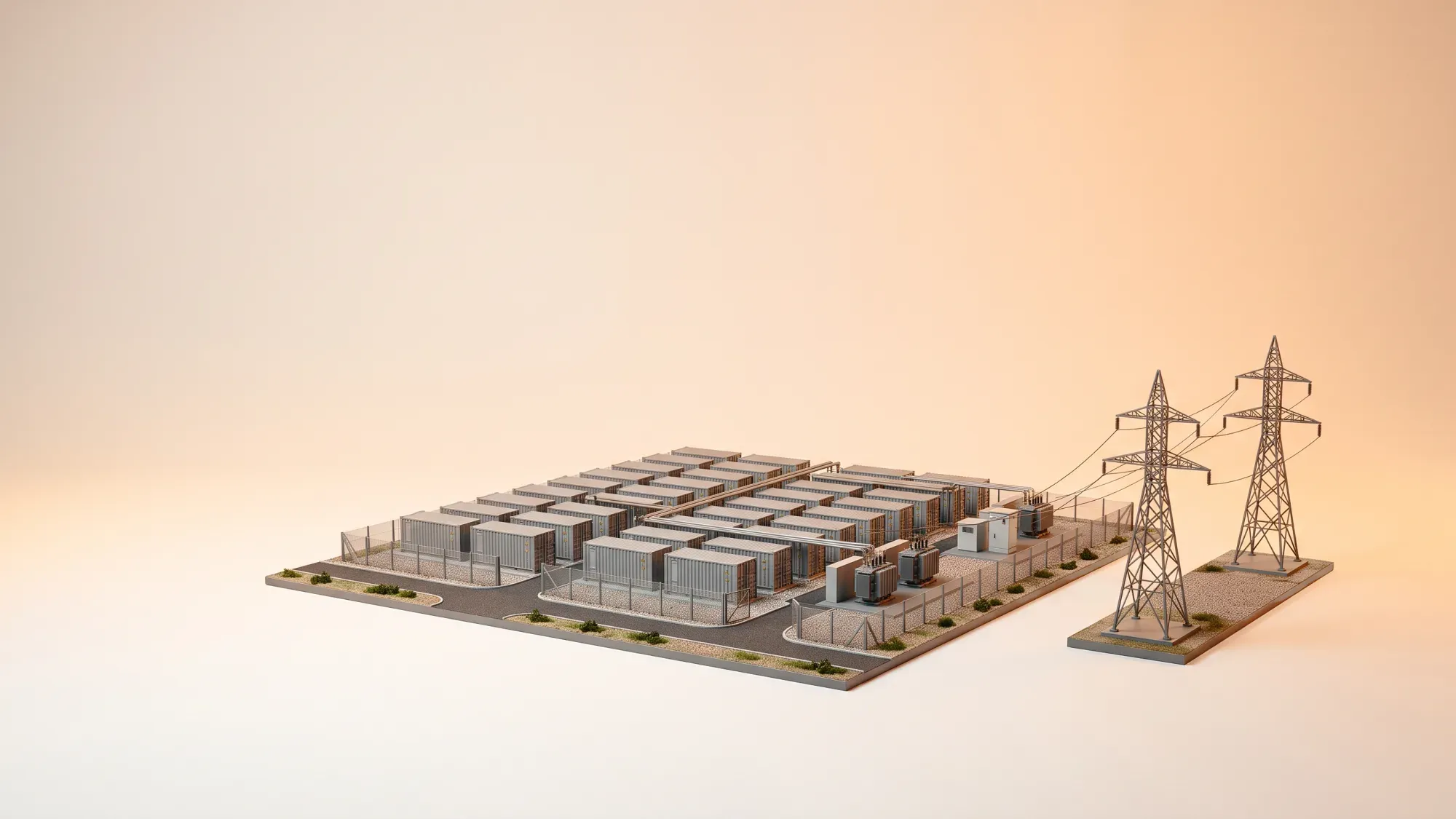
Innovate UK has launched a £3 million funding competition1 to accelerate the development of electrochemical ultra-long-duration energy storage (ULDES) technologies in the UK. This initiative, part of the UK Research and Innovation (UKRI) R&D Missions Accelerator Programme, aims to strengthen the nation's energy infrastructure and foster a future of abundant, clean power. The competition targets technologies capable of delivering over 100 hours of continuous electricity discharge to the UK grid and demonstrating an operational lifetime of at least 25 years.
Explore smarter energy for your home. With Fuse Energy, you get clear pricing, real-time usage data, 24/7 human customer support, and a modern energy experience designed around you. Signing up takes just a few minutes, so you can take control of your bills from day one. Click here to switch to Fuse Energy today and start saving.
Enter your address to get a quote and see how much you could save
The strategic imperative of UK ultra-long-duration energy storage
The transition to a net-zero economy demands more than just increasing renewable generation; it requires a fundamental shift in how energy is stored and delivered. ULDES is emerging as a critical component in this transformation, offering the ability to store vast amounts of energy for extended periods, from days to weeks, and release it when needed. This capability is essential for balancing the intermittent nature of renewables like wind and solar, ensuring a stable and reliable electricity supply even during prolonged periods of low generation.
Breaking the scarcity mindset in UK energy
For too long, the narrative around energy has been one of scarcity and constraint. However, ULDES technologies offer a pathway to move beyond this mindset, enabling the UK to integrate unprecedented levels of renewable energy and create a truly abundant power supply. By storing surplus electricity generated during peak renewable output, ULDES can prevent curtailment - the wasteful practice of switching off renewable generators when supply exceeds demand - and ensure that every unit of clean energy is utilised. This strategic shift allows for a future where energy is not rationed, but readily available, supporting economic growth and societal well-being.
Enabling deep decarbonisation and grid resilience
The UK government has set ambitious targets, aiming for 95% low-carbon electricity by 2030 and a fully decarbonised grid by 2035. ULDES plays a pivotal role by replacing traditional fossil fuel-based balancing mechanisms with clean alternatives, thereby significantly reducing carbon emissions from the power sector. Beyond decarbonisation, these technologies enhance grid resilience, providing a robust defence against supply interruptions and ensuring energy security. They create a more independent and stable grid, less susceptible to global energy market fluctuations. The development of a smart grid is crucial for integrating these advanced technologies.
Fuse Energy is committed to a future where energy is abundant and accessible. We believe in empowering homes with transparent pricing and the tools to manage their energy effectively.
Understanding ultra-long-duration energy storage technologies
ULDES is not a singular technology but an umbrella term encompassing various solutions designed for extended energy storage. While short-duration battery energy storage systems (BESS) are effective for rapid response and intraday balancing, ULDES addresses the need for multi-day storage to cover prolonged lulls in renewable generation.
Defining ULDES: 100 hours of discharge and 25 years of life
The Innovate UK competition sets clear, ambitious technical benchmarks for ULDES projects. To qualify for funding, proposed technologies must demonstrate the capacity to deliver more than 100 hours of continuous electricity discharge to the UK grid. This extended discharge duration is crucial for bridging significant gaps in renewable energy output. Furthermore, the technologies must prove an operational lifetime of at least 25 years, ensuring long-term reliability and return on investment for critical infrastructure. This longevity requirement places considerable emphasis on the durability, maintainability, and cost-effectiveness of ULDES solutions over decades.
The focus on electrochemical energy storage solutions
The current funding competition specifically targets electrochemical ULDES technologies. This category includes a range of advanced battery chemistries and configurations, such as flow batteries, which show significant promise for long-duration applications. Electrochemical systems are well-suited for grid-scale deployment due to their scalability and potential for high energy density. The focus on this area aims to leverage and strengthen the UK's capabilities in electrochemical sciences and battery development.
What is electrochemical energy storage?
Electrochemical energy storage involves converting chemical energy into electrical energy through redox reactions within a device, such as a battery. For ULDES, this typically refers to advanced battery technologies designed to store and release electricity over very long durations, often exceeding 100 hours, making them suitable for grid-scale applications.
Innovate UK's funding competition: a catalyst for UK innovation
This £3 million funding competition is a strategic investment by Innovate UK, part of the broader UKRI R&D Missions Accelerator Programme. The programme is designed to bridge the gap between research and real-world implementation, supporting innovations that address national priorities, including the clean energy mission.
Phase 1 funding for development studies and practical challenges
The current competition represents Phase 1 of a two-stage plan. The £3 million funding is specifically allocated to support project development studies. These studies are intended to help developers address the practical challenges of bringing ULDES projects from concept through to construction. This includes critical aspects such as technology assessment, engineering design, market analysis, manufacturing and supply chain planning, cost modelling, and scale-up roadmaps. By focusing on these foundational studies, Innovate UK aims to de-risk future large-scale demonstration projects.
Strengthening UK capabilities in ULDES commercialisation and deployment
A key objective of this programme is to strengthen UK capabilities across the entire ULDES value chain. The competition aims to foster the development, scale-up, and manufacture of electrochemical ULDES technologies within the UK, ultimately supporting future domestic deployment. This emphasis on local manufacturing and supply chains is crucial for creating jobs, boosting the economy, and ensuring the UK's energy independence. Collaborative applications are encouraged, requiring lead organisations to partner with at least one other UK-registered entity, including businesses, academic institutions, and research organisations.
The future landscape: ULDES and energy abundance in the UK
The long-term vision for ULDES extends beyond grid stability and decarbonisation; it is about fundamentally reshaping the UK's energy landscape to enable a future of energy abundance.
Investment opportunities and market growth for grid-scale storage
The development of ULDES creates significant investment opportunities and drives market growth for grid-scale storage. The National Energy System Operator (NESO) estimates that the UK electricity system will require between 11.5 GW and 15.3 GW of LDES capacity by 2050 to meet decarbonisation targets. This substantial demand signals a burgeoning market for innovative storage solutions. A larger Phase 2 competition, expected in mid-2027, will allocate at least £10 million to support large-scale ULDES demonstration projects, further stimulating investment and accelerating deployment.
Policy and regulatory support for ULDES scale-up
Government policy and regulatory frameworks are vital for de-risking investments and fostering the scale-up of ULDES technologies. Ofgem's Long Duration Electricity Storage (LDES) cap and floor mechanism is a prime example, designed to provide revenue certainty for developers. This mechanism guarantees a minimum income (the "floor") for projects while capping excessive profits, with any surplus returned to consumers. This approach encourages investment in projects with high upfront capital costs but lower operating costs, such as pumped hydro and other LDES solutions, by mitigating market uncertainties. The scheme aims to be broadly neutral on energy bills over time while attracting the necessary capital to build out critical storage infrastructure.
Conclusion: ULDES as a driver for energy abundance
The Innovate UK funding competition for ultra-long-duration energy storage marks a pivotal step in the UK's journey towards a resilient, decarbonised, and abundant energy future. By fostering the development of electrochemical ULDES technologies capable of 100-hour discharge and a 25-year operational lifetime, the UK is investing in the foundational infrastructure needed to move beyond energy scarcity. This strategic focus on innovation, domestic manufacturing, and supportive policy frameworks positions ULDES as a key enabler for integrating vast amounts of renewable energy, ultimately delivering a future where the UK has power to play with at a national scale.
At Fuse Energy, we believe in a future where energy is not a source of worry, but a source of power and possibility. We're building an energy system that puts you in control, with clear pricing, real-time usage data, and 24/7 human support. Join us in making energy abundant and accessible for every home. Click here to switch to Fuse Energy today. Discover more about our mission to redefine energy by clicking here.
References
- Solar Power Portal. Innovate UK opens £3 million ultra long-duration energy storage funding call
Disclaimer
For the avoidance of doubt, this article is provided for informational purposes only and is not intended to constitute legal or financial advice. The author and/or Fuse Energy shall not be responsible for any losses arising out of any reliance on the information contained herein.