Sustainable construction explained
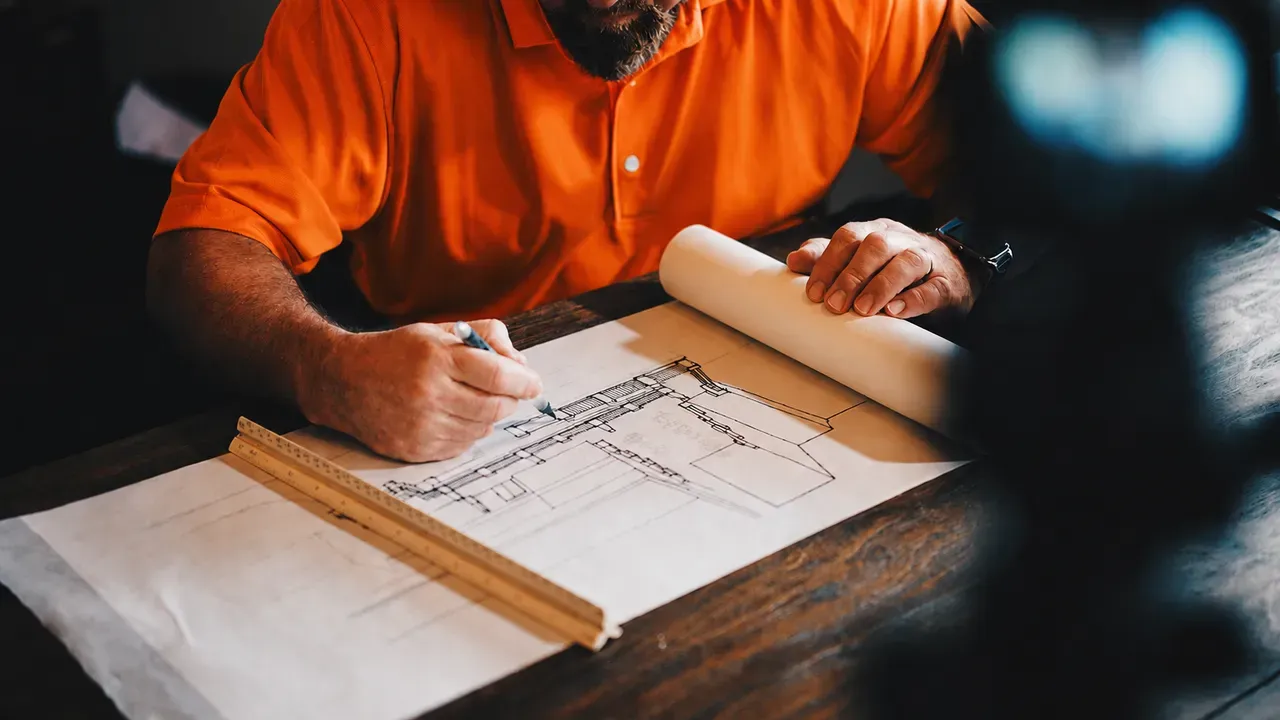
Many UK construction professionals looking into sustainable construction are really asking how to build greener without breaking the bank. It is a fair question; once you start looking, every scheme seems to promise something slightly different, and the practicalities can feel overwhelming. The truth is, building sustainably in the UK is becoming less about abstract environmentalism and more about smart, long-term economic and operational benefits, especially when underpinned by reliable, affordable energy.
For construction professionals looking to power their sustainable projects with reliable, cost-effective clean energy, Fuse Energy offers solutions designed to meet the demands of a net-zero future. See how Fuse can help with cost-effective clean energy and switch in here.
Enter your address to get a quote and see how much you could save
What is UK sustainable construction?
Sustainable construction in the UK is about creating and operating buildings that minimise environmental impact, enhance occupant well-being, and provide economic value throughout their lifecycle. It is a broad concept, encompassing everything from the materials used to the energy consumed and the waste generated.
Beyond carbon neutrality: a holistic view
While carbon neutrality often dominates headlines, sustainable construction extends far beyond simply reducing carbon emissions. It involves a holistic approach that considers the entire lifecycle of a building, from design and material sourcing to construction, operation, and eventual deconstruction. This includes optimising energy and water efficiency, selecting green building materials, managing waste effectively, and promoting biodiversity on development sites. The goal is to create resilient, healthy, and resource-efficient structures that contribute positively to both the environment and society.
Public perception versus industry reality
Despite high public awareness of sustainable construction - globally, 94% of industry stakeholders and 84% of citizens are at least aware of the concept - there remains a significant gap in genuine understanding of what it actually entails. A recent study, the Saint-Gobain 2026 Sustainable Construction Barometer, revealed that only 25% of UK adults truly comprehend the term ‘sustainable construction’, a figure significantly below the 39% global average.
Dean O'Sullivan, CEO of Saint-Gobain UK & Ireland, highlighted this disparity, stating that “Sustainability in construction is about much more than just carbon savings.” He further noted that these findings “show a clear gap between people's concern about climate change and their understanding of what sustainable construction means in practice.” O'Sullivan emphasised the need for clearer communication, suggesting that the industry must “make that story clearer, more accessible and more relevant” to help people see the tangible, everyday benefits beyond long-term climate targets.
Key pillars of sustainable building in the UK
Achieving truly sustainable construction in the UK relies on integrating several core principles throughout a project's lifecycle.
Energy efficiency and performance
Energy efficiency is a cornerstone of sustainable building, directly impacting operational costs and carbon footprints. In the UK, this is increasingly driven by regulatory frameworks. Part L of the Building Regulations1 sets minimum energy performance requirements for both new and existing buildings, focusing on the conservation of fuel and power. Looking ahead, the Future Homes Standard2, published in March 2026 and due to come into force on 24 March 2027, will revolutionise new builds by mandating low-carbon heating systems and significantly higher energy efficiency standards. New homes are expected to produce 75-80% less CO2 emissions compared to those built under previous regulations. This standard aims to deliver “net zero ready” buildings, designed for low-carbon heating and high energy efficiency, effectively phasing out gas boilers in favour of options like heat pumps.
Green building materials and resource management
The choice of materials plays a crucial role in a project's environmental impact. Sustainable construction prioritises materials that are locally sourced, recycled, renewable, or have a low embodied carbon footprint. This includes everything from timber and recycled aggregates to low-carbon cement. Effective resource management also involves minimising waste during construction and promoting reuse and recycling of materials.
Water conservation and waste reduction
Beyond energy and materials, sustainable practices extend to water management and waste. Implementing rainwater harvesting systems, greywater recycling, and water-efficient fixtures can significantly reduce a building's water consumption. Similarly, comprehensive waste management plans, focusing on reduction, reuse, and recycling, are essential to divert construction and demolition waste from landfills.
Site selection and biodiversity
Sustainable construction also considers the broader ecological impact of a development. Careful site selection can minimise disruption to natural habitats and ecosystems. Integrating green spaces, native planting, and features that support local wildlife can enhance biodiversity and contribute to healthier urban environments.
Navigating challenges in sustainable construction
While the ambition for sustainable construction is high, professionals in the UK face several hurdles, from complex regulations to perceived cost implications.
Understanding the regulatory landscape
The UK's commitment to net-zero carbon targets by 2050 profoundly influences construction strategies. This includes interim targets, such as a 68% reduction in emissions by 2030. The built environment accounts for a significant portion of UK greenhouse gas emissions, placing the construction sector at the forefront of driving change. Compliance with these targets is increasingly being shaped by new standards, such as the UK Net Zero Carbon Buildings Standard, which aims to provide a clear definition of net-zero carbon for all building types.
Furthermore, planning policies and Environmental Impact Assessments (EIAs)3 play a critical role in the approval and execution of sustainable construction projects. EIAs are legally mandated processes that evaluate the potential significant environmental effects of proposed developments, ensuring that planning decisions are made with a full understanding of environmental consequences.
Addressing perceived costs and complexity
One of the most common concerns regarding sustainable construction is the perception of higher upfront costs and increased complexity. While some green technologies or materials might initially seem more expensive, the long-term operational savings, particularly in energy consumption, can often offset these initial outlays. The challenge lies in clearly demonstrating this return on investment and making the benefits tangible.
Bridging the knowledge gap
As highlighted by the Saint-Gobain Barometer, a significant knowledge gap exists. For construction professionals, this means a need for clearer, more accessible information on practical implementation. It is not just about knowing what sustainable construction is, but how to integrate it effectively into UK projects, from design to delivery.
The critical role of energy in sustainable construction
At the heart of making sustainable construction economically viable and scalable is the availability of affordable, clean energy.
Why cheap, clean energy is foundational
Ambitious sustainable construction projects often face constraints related to energy costs and supply. When energy is expensive or unreliable, the economic viability of integrating advanced energy-efficient systems or powering low-carbon construction processes diminishes. However, when cheap, clean energy is abundant, it fundamentally changes the equation. It removes a primary barrier, allowing construction professionals to pursue more innovative and eco-friendly designs without being constrained by prohibitive operational costs. This shift enables a focus on long-term value and environmental responsibility over short-term energy arithmetic.
Powering net zero construction goals
The UK's net-zero goals demand a significant decarbonisation of the built environment. This requires not only energy-efficient buildings but also access to clean energy sources to power them. From electric plant machinery on construction sites to the heating and cooling systems of completed buildings, the demand for clean electricity will only grow. Abundant, low-cost clean energy is therefore not just a benefit, but a foundational requirement for achieving these ambitious targets. It allows for the widespread adoption of technologies like heat pumps and electric vehicle (EV) charging infrastructure, which are crucial for a net-zero future.
Fuse Energy's vision for abundant power
Fuse Energy positions itself as a foundational enabler for truly abundant, cost-effective sustainable construction in the UK. By delivering terawatt-hours of the cheapest, cleanest energy possible, Fuse aims to remove the energy constraint that often limits ambitious, eco-friendly building projects. Fuse's vertically integrated model is designed to rebuild the energy system from scratch, providing the essential low-cost, clean energy backbone that makes sustainable construction economically viable and scalable for UK construction professionals. This approach challenges the notion that sustainable construction requires trade-offs, instead empowering professionals to build the innovative, sustainable future they envision for the built environment.
Practical steps for UK construction professionals
Navigating the evolving landscape of sustainable construction requires proactive engagement and a commitment to continuous improvement.
Integrating sustainable design principles
Start by embedding sustainable design principles from the earliest stages of a project. This includes conducting thorough lifecycle assessments, optimising building orientation for passive heating and cooling, and designing for adaptability and deconstruction. Engaging with sustainability consultants early can help identify opportunities for energy efficiency, material optimisation, and waste reduction.
Sourcing and implementing green technologies
Actively seek out and integrate green technologies and materials. This means staying informed about advancements in low-carbon heating systems, high-performance insulation, smart building management systems, and renewable energy solutions like solar photovoltaic (PV). Prioritise suppliers with strong environmental credentials and transparent supply chains.
Measuring and reporting environmental impact
Finally, establish robust systems for measuring and reporting the environmental impact of your projects. This includes tracking energy consumption, water usage, waste generation, and carbon emissions throughout the construction and operational phases. Transparent reporting not only demonstrates compliance with regulations but also provides valuable data for continuous improvement and showcases your commitment to sustainability to clients and stakeholders.
Sustainable construction is about building a better future, and that future needs abundant, clean energy. Fuse Energy is committed to delivering the energy infrastructure required to make ambitious, eco-friendly projects not just possible, but economically viable. We believe it's your right to use more energy, not less, to power innovation and progress.
Ready to explore energy solutions that align with your sustainable construction goals? Click here to switch to Fuse Energy. You can also find out more about our mission to deliver abundant, clean energy for the future by visiting here.
References
- UK Government. Conservation of fuel and power: Approved Document L.
- Construction News. Future Homes Standard to come into force in March 2027.
- UK Government. Environmental Impact Assessment.
Disclaimer
For the avoidance of doubt, this article is provided for informational purposes only and is not intended to constitute legal or financial advice. The author and/or Fuse Energy shall not be responsible for any losses arising out of any reliance on the information contained herein.