BSR Energy secures 29 MW solar project approval in England
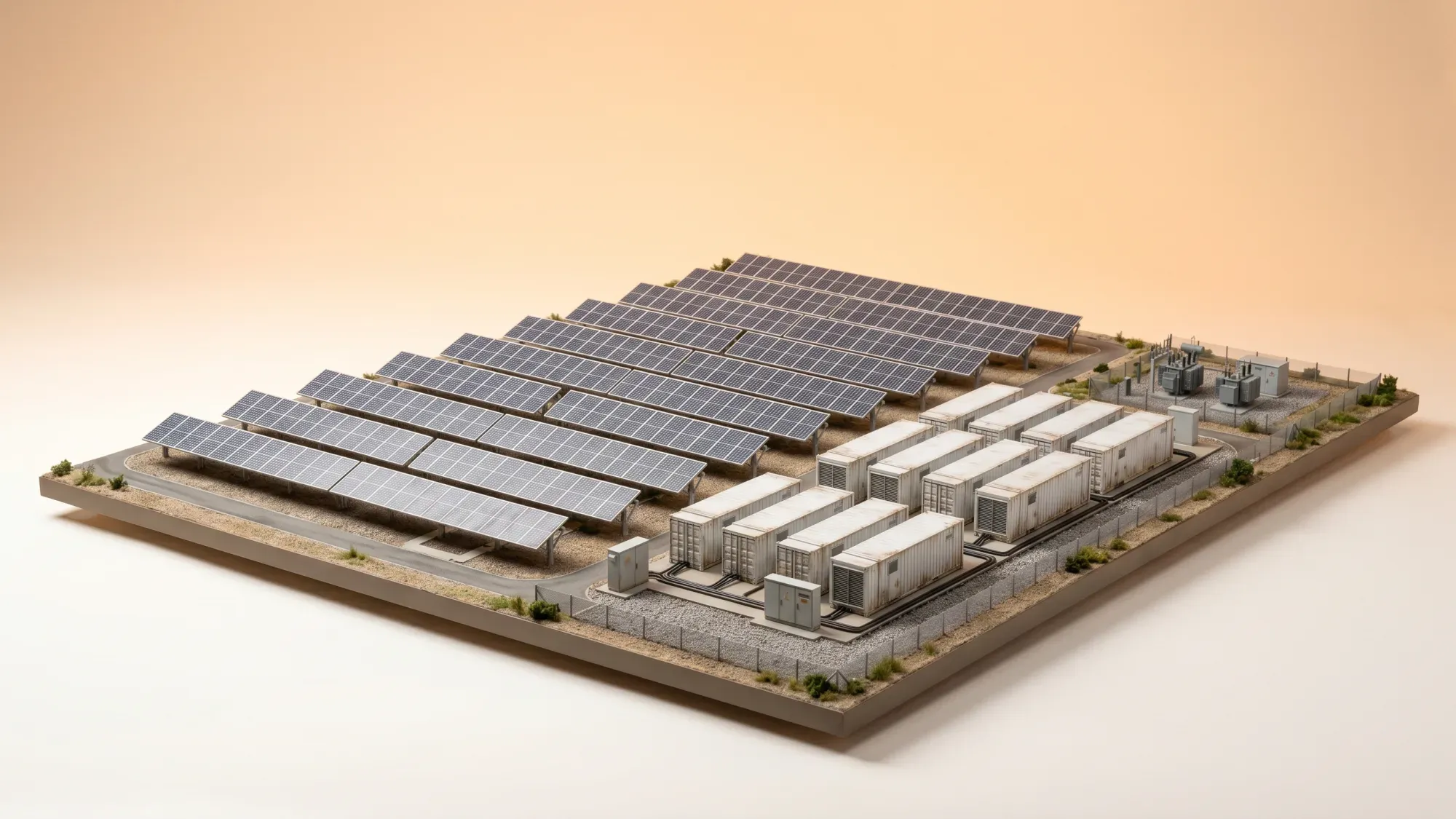
BSR Energy has received approval for a new 29-megawatt (MW) solar project in England1, marking a significant step forward for the UK's renewable energy capacity. This development, reported by Renewables Now on 28 July 2026, contributes to the country's ongoing energy transition and its ambitious clean energy targets.
Thinking about your energy future? Fuse Energy offers clear pricing, real-time usage data, and 24/7 human customer support, providing a modern energy experience designed around you. You can take control of your bills from day one. Click here to switch to Fuse Energy today and take control of your bills.
Enter your address to get a quote and see how much you could save
Navigating UK solar project approval: an overview
Securing approval for large-scale solar projects in the UK involves a complex regulatory landscape. Developers, investors, and businesses must navigate various planning routes and environmental assessments to bring these vital clean energy assets online. Understanding these processes is crucial for successful project delivery.
The growing importance of large-scale solar in the UK
The UK government is committed to substantially increasing its solar capacity as part of its energy transition and Net Zero targets. The Clean Power Action Plan aims for 45-47 gigawatts (GW) of installed solar capacity by 2030, with Solar Energy UK suggesting a potential to reach 70 GW by 2035. As of April 2026, the total installed solar capacity in the UK reached 22.3 GW. This ambitious target underscores the critical role of utility-scale solar farms in decarbonising the electricity grid and ensuring energy security. Projects like BSR Energy's 29 MW installation are essential building blocks towards achieving these national objectives.
Key planning routes for solar farms
The approval pathway for a solar project in the UK largely depends on its generating capacity.
Development Consent orders (DCOs)
For the largest projects, typically those with a generating capacity exceeding 100 MW in England, a Development Consent Order (DCO) is required. These are classified as Nationally Significant Infrastructure Projects (NSIPs) and are determined by the Secretary of State following examination by the Planning Inspectorate. The DCO process is rigorous, involving extensive public consultation, detailed environmental impact assessments, and a comprehensive examination of the project's national benefits and local impacts.
What is a DCO?
A DCO is a type of planning permission required for Nationally Significant Infrastructure Projects (NSIPs) in England and Wales, typically for energy projects exceeding 100 MW. It is granted by the Secretary of State after a thorough examination by the Planning Inspectorate.
Local planning Authorities (LPAs)
Most solar projects, particularly those below the 100 MW threshold, fall under the jurisdiction of Local Planning Authorities (LPAs). These applications are determined by local councils in accordance with their local development plans and national planning policy. While generally less complex than DCOs, these applications still require thorough environmental impact assessments (EIAs), consideration of landscape and visual impact, biodiversity net gain, and agricultural land classification.
Critical considerations in the approval process
Regardless of the planning route, several key factors consistently influence the success of UK solar project approval.
Environmental impact assessments (EIAs)
A robust EIA is fundamental. This assesses potential impacts on biodiversity, landscape character, heritage assets, and local communities. Developers must demonstrate how adverse effects will be mitigated and, increasingly, how projects will deliver biodiversity net gain. Underestimating the complexity and duration of EIAs is a common pitfall.
Grid connection
Securing a viable and timely grid connection is often one of the most significant hurdles for large-scale solar projects in the UK. The UK's grid infrastructure requires substantial upgrades to accommodate the influx of renewable energy. Developers face long lead times and considerable costs for connection agreements and necessary network reinforcements. Early engagement with Distribution Network Operators (DNOs) or National Grid ESO is paramount to avoid significant delays.
Community engagement
Effective community engagement is vital for fostering local support and addressing concerns. Proactive communication, transparent information sharing, and opportunities for local input can significantly smooth the planning process and build trust, helping to prevent planning setbacks.
Land use
The siting of solar farms, particularly on agricultural land, remains a sensitive issue. Developers must demonstrate that the chosen land is not of the highest agricultural quality where possible, or justify the need for its use, balancing energy generation with food security concerns. Inadequate consideration of land use impacts, including agricultural land classification, can lead to project delays.
The future of UK solar development
Recent regulatory shifts
The regulatory landscape for solar development is dynamic. Recent changes, such as the UK government's decision to scrap mandatory consultations for certain large-scale solar planning applications, aim to streamline the process and accelerate deployment. These reforms are expected to cut pre-application timelines for large-scale solar by up to 12 months. However, developers must remain vigilant regarding evolving policies and guidance.
Accelerating UK solar capacity goals
The approval of projects like BSR Energy's 29 MW solar farm signals continued momentum in the UK's renewable energy sector. Despite challenges in planning, grid connection, and land use, the strategic imperative to achieve Net Zero targets and enhance energy independence will drive further investment and innovation. For professionals involved in commercial and utility-scale solar, staying abreast of regulatory developments and best practices is key to unlocking the UK's vast solar potential.
At Fuse Energy, we believe in a future with power to play with. While we focus on bringing abundant, clean energy to homes across the UK, we recognise the vital role of large-scale solar in making that future a reality. Discover how Fuse Energy is building the good timeline's energy company for your home. Click here to switch to Fuse Energy today and take control of your bills. Find out more about our mission to make energy abundant by clicking here.
References
- Renewables Now. BSR wins approval for 29-MW solar project in England
Disclaimer
For the avoidance of doubt, this article is provided for informational purposes only and is not intended to constitute legal or financial advice. The author and/or Fuse Energy shall not be responsible for any losses arising out of any reliance on the information contained herein.