UK households earn £100 million selling excess solar power
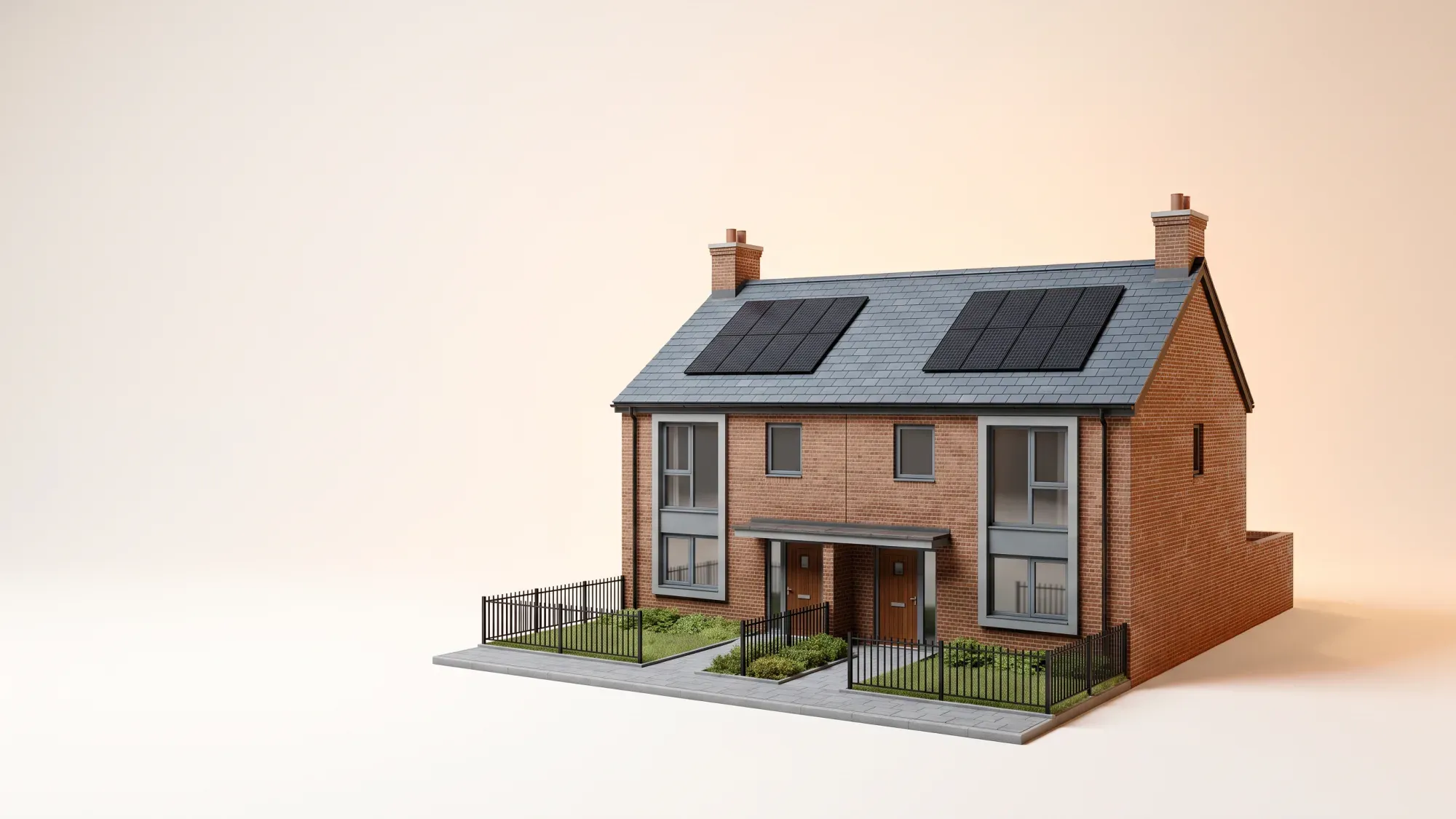
UK households have collectively earned almost £100 million over the past year by selling their excess solar power back to the grid1, marking a significant shift in how homes interact with the energy market. This financial return, combined with environmental benefits, makes solar power an increasingly attractive investment for many.
Discover how to make the most of your home's energy. With Fuse Energy, you get clear pricing, real-time usage data, 24/7 human customer support, and a modern energy experience designed around you. Signing up takes just a few minutes, so you can take control of your bills from day one. Click here to switch to Fuse Energy today and start saving.
Enter your address to get a quote and see how much you could save
The rise of solar power earnings in the UK
Homeowners are no longer just passive consumers of electricity; they are active participants in the energy system, generating their own power and contributing to the National Grid. This growing trend is driven by both financial incentives and a desire for greater energy independence.
How UK homeowners are earning from clean energy
More than 400,000 homes on Octopus Energy export tariffs alone contributed 825 GWh of power to the grid over the last 12 months, an amount equivalent to a gas plant's annual output. This surge in domestic energy production has led to an average earning of £244 per home from selling surplus electricity. Rebecca Dibb-Simkin, Chief Product and Marketing Officer at Octopus, highlighted this success, stating, "Over 400,000 UK households on Octopus tariffs are already generating their own clean energy, and that number just keeps climbing."
The shift towards energy independence
The increasing adoption of home energy generation contributes significantly to the UK's energy independence and net-zero targets. By generating their own electricity, homeowners reduce their reliance on traditional energy sources and help diversify the national energy supply. This strategic move puts more control into the hands of individual households, allowing them to gain financial advantage and contribute to a more secure energy system. As Rebecca Dibb-Simkin noted, "The more we make use of our homegrown green energy sources, the less we rely on fossil fuels, and the more secure our energy system becomes."
Understanding domestic solar generation
Harnessing the sun's power at home involves more than just installing panels; it's about understanding how your system integrates with your property and the wider energy network.
How solar panels work for your home
Solar photovoltaic (PV) panels convert sunlight into direct current (DC) electricity. An inverter then transforms this DC electricity into alternating current (AC), which is the type of electricity used in your home. Any electricity not immediately used by your appliances can be exported to the grid or stored in a battery.
Generating surplus electricity
When your solar panels produce more electricity than your home consumes, this surplus energy becomes available for export. Factors like the size and efficiency of your solar array, your household's energy consumption patterns, and periods of high sunshine all influence the amount of surplus electricity you generate. This excess power can then be sold back to the National Grid, turning your home into a micro-power station.
Maximising your earnings from exported solar energy
Selling your excess solar power can provide a valuable income stream. Understanding the mechanisms and making informed choices are key to optimising these returns.
The Smart Export Guarantee (SEG) explained
The Smart Export Guarantee (SEG) is a government-backed initiative that mandates licensed electricity suppliers to pay small-scale low-carbon generators for the electricity they export to the National Grid. This means energy companies must offer tariffs for the clean electricity you send back. To be eligible for SEG tariffs, your solar panel system must be installed by an MCS (Microgeneration Certification Scheme) certified installer. For example, Fuse Energy offers an export rate of 13p per kWh for electricity exported to the grid.
Choosing the right export tariff
Not all SEG tariffs are created equal. Suppliers offer varying rates and terms, so it's crucial to compare options to find one that best suits your generation and consumption patterns. Some tariffs offer a fixed rate per kWh, while others might have variable rates that change with market demand. Consider your typical export volumes and whether a fixed or variable rate would maximise your earnings.
Integrating battery storage for greater returns
Adding battery storage to your solar setup can significantly enhance your financial benefits. Instead of immediately exporting surplus electricity at potentially lower rates, you can store it in a battery and use it later when grid electricity prices are higher, or when your panels aren't generating (e.g., at night). This allows you to reduce your reliance on grid imports and sell power back at more opportune times, increasing your overall savings and earnings.
Addressing common concerns and ensuring safety
While the benefits of solar power are clear, it's natural to have questions about installation, costs, and safety.
Understanding solar panel installation costs
The initial outlay for a solar panel system can vary widely depending on factors like system size, panel efficiency, and installation complexity. However, the UK government has made solar panel installation more accessible by zero-rating VAT on energy-saving materials, including solar panels. This reduction helps to lower the upfront cost, making the investment more appealing.
Quality installation and maintenance
Ensuring a high-quality installation is paramount for both performance and safety. Always choose installers certified under schemes like MCS, as this guarantees adherence to recognised standards. Regular maintenance, though minimal for solar panels, can help ensure your system operates efficiently and safely for its lifespan.
Addressing solar panel fire concerns
Public caution regarding solar panels has been noted due to a doubling of solar panel fires in 2025. While incidents are rare, they highlight the importance of professional installation, adherence to safety standards, and using certified equipment. Choosing reputable installers and ensuring your system meets all regulatory requirements can mitigate these risks, building trust and confidence in your home energy setup.
Integrating solar into your home energy system
Solar panels are just one component of a modern, efficient home energy system. Integrating them effectively can unlock further benefits.
The benefits of a holistic energy approach
A holistic approach to home energy involves optimising how your solar generation, battery storage, and household consumption work together. This can include smart appliances, electric vehicle charging, and intelligent energy management systems. By viewing your home as an integrated energy ecosystem, you can maximise self-consumption, reduce grid reliance, and increase your earnings from exported power.
Smart meters and real-time energy management
Smart meters are crucial for effective energy management, especially when exporting solar power. They provide real-time data on your electricity generation and consumption, allowing you to monitor your energy flows and make informed decisions. This data can be invaluable for optimising when you use energy, when you store it, and when you export it, ensuring you get the most out of your solar investment.
The future of home energy generation
The landscape of home energy generation is evolving rapidly, with significant implications for both individual households and the National Grid.
Contributing to the UK's energy security
Every home that generates and exports clean electricity contributes to the UK's overall energy security. By diversifying energy sources and reducing dependence on imported fossil fuels, domestic solar power strengthens the National Grid and moves the country closer to its net-zero targets. This collective effort is a strategic 'power play' for the nation, ensuring a more resilient and sustainable energy future.
Long-term benefits of solar panel investment
Investing in solar panels offers long-term financial and environmental benefits. Beyond the immediate earnings from selling excess power and reduced energy bills, solar panels increase your property's value and provide a hedge against rising energy costs. As technology advances and energy management systems become more sophisticated, the ability to generate, store, and intelligently export your own power will become an increasingly valuable asset.
Managing your home's energy, especially with solar, should be straightforward. Fuse Energy offers clear pricing and real-time usage data through our app, helping you understand and optimise your energy flows. Our 24/7 human customer support is always available to assist you. Ready to take control of your energy and make the most of your solar power? Click here to switch to Fuse Energy today. You can also learn more about our mission to make energy abundant by clicking here.
References
- Energy Live News. Brits cash in on spare solar
Disclaimer
For the avoidance of doubt, this article is provided for informational purposes only and is not intended to constitute legal or financial advice. The author and/or Fuse Energy shall not be responsible for any losses arising out of any reliance on the information contained herein.