New 500MW West Oxfordshire energy Park boosts UK solar targets
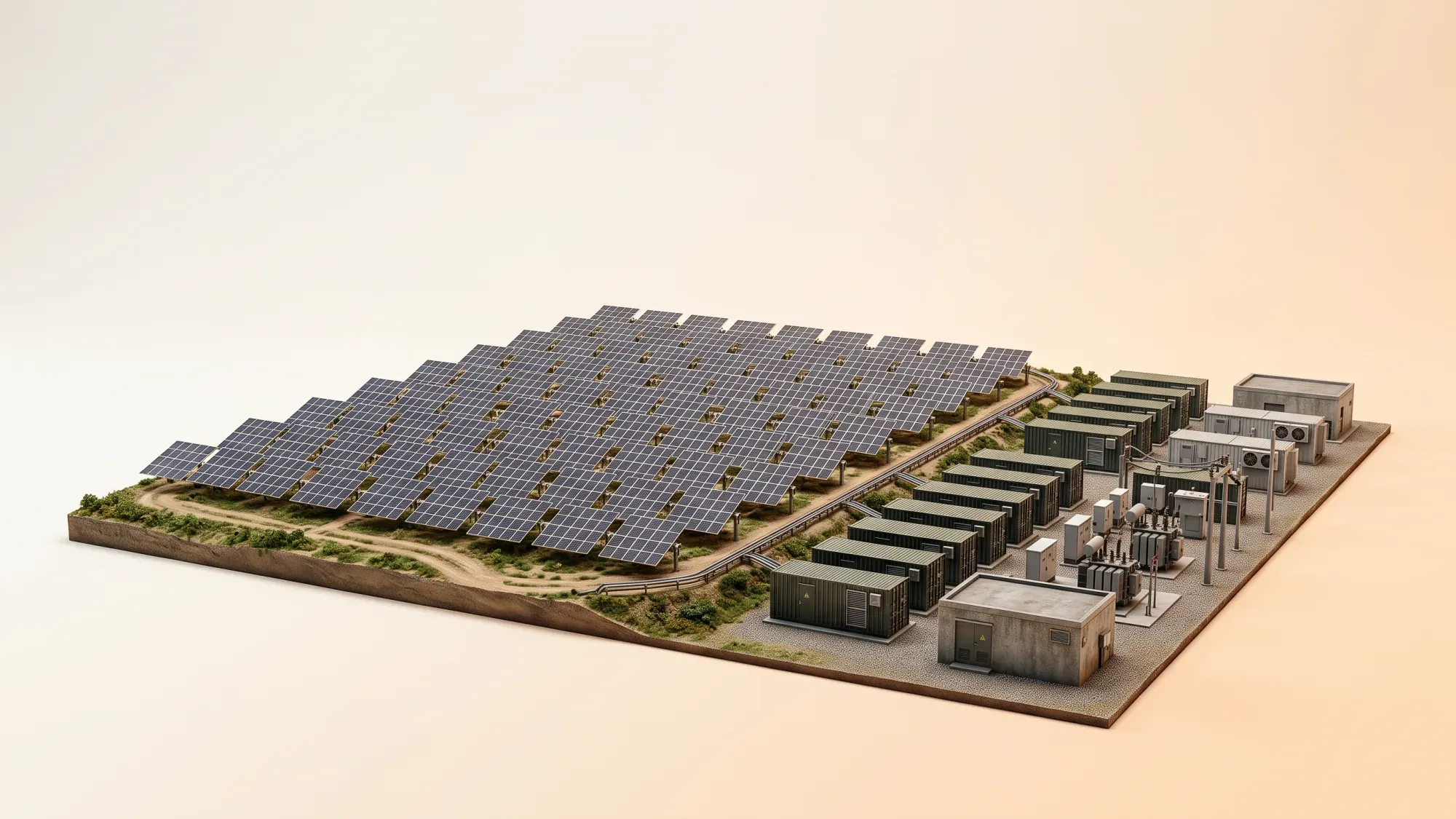
The UK's energy landscape is undergoing a significant transformation, driven by ambitious renewable energy targets and large-scale infrastructure projects. A prime example is the recently announced West Oxfordshire Energy Park, a substantial 500MW solar photovoltaic (PV) and energy storage project planned by Low Carbon1. This development underscores the nation's commitment to bolstering its clean energy supply and highlights the increasing importance of solar-plus-storage systems. For homeowners, this national shift presents a compelling opportunity to embrace energy independence, reduce bills, and contribute to a sustainable future.
If you're looking to make the most of your home's solar-plus-storage system, Fuse Energy offers smart tariffs and tools to help you optimise your energy usage and export. Click here to switch to Fuse Energy today.
Enter your address to get a quote and see how much you could save
The rise of UK solar-plus-storage: a national overview
The journey towards a greener grid is marked by both large-scale developments and individual contributions. Understanding the broader context helps homeowners appreciate their role in this energy revolution.
Low carbon's West Oxfordshire energy Park
Low Carbon's proposed West Oxfordshire Energy Park is set to be a major contributor to the UK's renewable energy capacity. This project, featuring 500MW of solar PV and energy storage, is so significant that it qualifies as a Nationally Significant Infrastructure Project (NSIP) under UK government schemes for projects exceeding 100MW. The project aims to make an important contribution to the supply of clean, home-grown renewable power in the UK, according to Ed Perrin, development director at Low Carbon.
Government targets for solar deployment
The West Oxfordshire Energy Park aligns directly with the UK government's ambitious goals for solar deployment. The government has outlined plans to reach between 45GW and 47GW of solar PV capacity by 2030. This represents a substantial increase from the 18GW recorded in 2025, demonstrating a clear policy drive towards expanding solar energy generation across the country. Such targets signal a robust future for solar power, creating a supportive environment for both utility-scale projects and domestic installations.
Understanding solar-plus-storage for your home
While large-scale projects address national energy needs, homeowners can play a crucial part in this transition by installing solar-plus-storage systems. These systems offer tangible benefits, from financial savings to increased energy resilience.
How solar PV and battery storage work
A home solar PV and storage system integrates photovoltaic (PV) solar panels with a battery unit. Solar panels convert sunlight into electricity, which can then be used to power your home directly. Any excess electricity generated that isn't immediately consumed is diverted to a battery for storage. This stored energy can then be used when the solar panels are not generating power, such as during the evenings, on cloudy days, or when electricity prices from the grid are higher. This setup significantly reduces reliance on grid electricity and maximises the use of self-generated power.
Key benefits for homeowners
Installing a solar-plus-storage system offers several compelling advantages for UK homeowners:
- Reduced energy bills: By generating your own electricity and storing surplus, you can significantly decrease the amount of power you need to buy from the grid, leading to lower monthly energy bills.
- Increased energy independence: Storing your own energy provides a buffer against power outages and fluctuations in grid supply, giving you greater control over your household's energy needs.
- Environmental impact: Generating clean electricity reduces your carbon footprint, contributing directly to the UK's decarbonisation efforts and supporting a greener future.
- Earnings from exported energy: With schemes like the Smart Export Guarantee (SEG), you can earn money by selling any surplus electricity you don't use or store back to the grid.
Planning your home solar-plus-storage installation
Embarking on a solar-plus-storage journey requires careful planning to ensure you choose the right system and comply with necessary regulations.
Choosing the right system and installer
The first step is to assess your home's energy consumption and suitability for solar PV and battery storage. Consider factors like roof orientation, shading, and available space for batteries. When selecting an installer, it is crucial to choose one certified under the Microgeneration Certification Scheme (MCS). MCS certification ensures that installers meet high standards of quality and competence, and it is often a prerequisite for accessing certain government incentives and the SEG.
What is the average UK household electricity consumption?
The average UK home uses around 2,500 kWh of electricity per year. This figure, provided by Ofgem, is a useful baseline for homeowners to assess their energy needs and size their solar-plus-storage systems effectively.
Navigating planning permission and regulations
For most domestic solar PV and battery storage installations, planning permission is not required, as they often fall under "permitted development" rights. However, there are exceptions, particularly for homes in conservation areas, listed buildings, or if the installation significantly alters the property's appearance. Always check with your local planning authority before proceeding. While large projects like the West Oxfordshire Energy Park undergo a specific Development Consent Order (DCO) process, homeowners primarily need to ensure their chosen MCS-certified installer handles all relevant local regulations and grid connection requirements.
Maximising your savings and earnings
Once your solar-plus-storage system is installed, optimising its operation is key to unlocking its full financial and environmental benefits.
Smart Export Guarantee (SEG) and tariffs
The SEG is a government-backed scheme that requires licensed electricity suppliers to pay small-scale generators for the renewable electricity they export to the grid. This means you can earn money for any surplus energy your solar panels generate that you don't use or store. SEG tariffs vary between suppliers, so it's worth comparing offers to find the most competitive rate for your exported electricity.
Optimising your system with smart energy management
To truly maximise savings and earnings, smart energy management is essential. This involves using smart tariffs and optimisation tools that intelligently manage when your battery charges and discharges. For example, your system can be programmed to charge your battery when electricity prices are low (e.g., overnight) and discharge it when prices are high, or when your solar panels aren't generating. This dynamic approach ensures you're always making the most of your self-generated power and the grid's pricing signals.
Your partner in energy optimisation
At Fuse Energy, we believe in empowering homeowners to take control of their energy future. While we don't install solar PV or battery storage systems, we focus on optimising your energy supply and export once your system is in place.
Fuse Energy's role in your solar journey
Fuse Energy provides the tools and tariffs to help you maximise the benefits of your solar-plus-storage system. We offer clear pricing and smart-tariff options designed to integrate seamlessly with your home energy setup. Our app provides insights into your energy usage and generation, giving you the capability and control to make informed decisions. We aim to help you turn your distributed energy resources into tangible savings and earnings, contributing to a future with abundant energy. Our 24/7 human customer support is also available to assist you with any energy supply queries.
Future-proofing your home energy
Investing in solar-plus-storage is a step towards future-proofing your home against rising energy costs and increasing your energy independence. By integrating your system with smart energy management, you're not just reducing your bills; you're actively participating in rebuilding a smarter, more efficient energy system. Fuse Energy is committed to supporting this vision, ensuring you have the power to play with, making energy so abundant it stops being a thing you think about.
Ready to make the most of your solar-plus-storage system? Fuse Energy offers clear pricing, real-time usage data, and 24/7 human customer support to help you optimise your home's energy. Signing up takes just a few minutes, so you can take control of your bills from day one. Click here to switch to Fuse Energy today and start saving. You can also learn more about our mission to make energy abundant by clicking here.
References
Disclaimer
For the avoidance of doubt, this article is provided for informational purposes only and is not intended to constitute legal or financial advice. The author and/or Fuse Energy shall not be responsible for any losses arising out of any reliance on the information contained herein.