UK solar panel savings
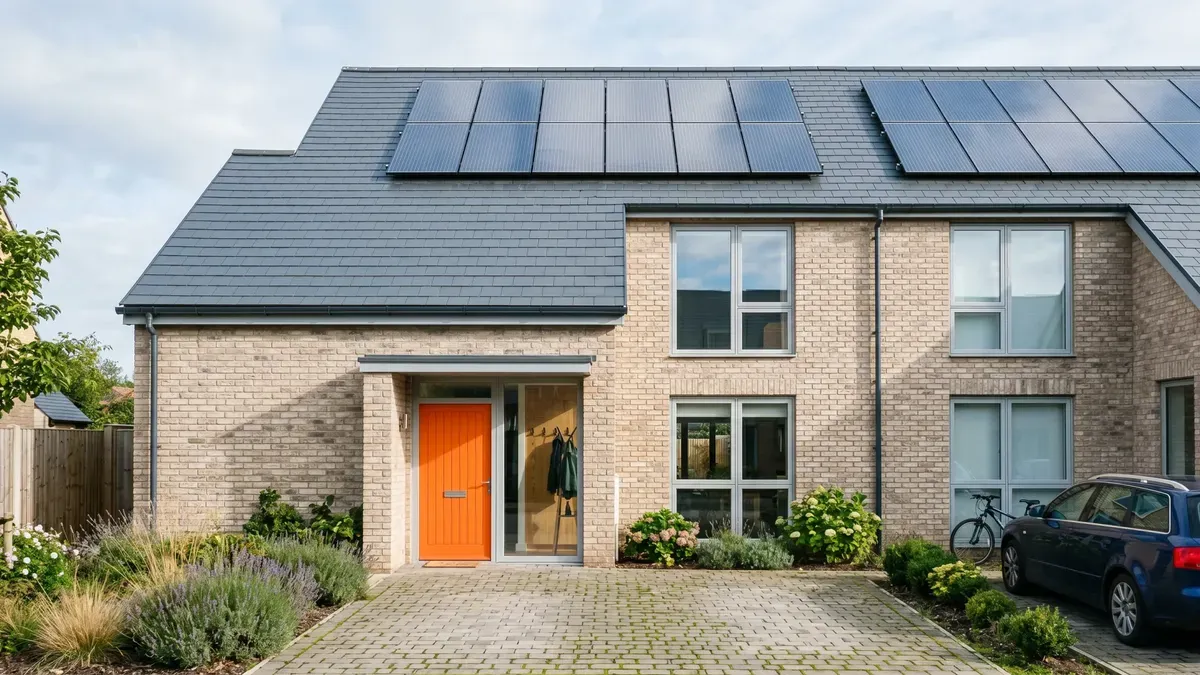
Many UK homeowners searching for UK solar panel savings are keen to understand if solar is a worthwhile investment and how to maximise its financial benefits. These are fair questions, especially with ongoing concerns about energy costs. This article explores how UK solar panel savings can lead to greater energy abundance and empowerment, giving homeowners more control over their energy future.
Understanding UK solar panel savings
Solar panels are quickly changing how UK households generate and consume electricity. Far from being a niche green choice, they represent a practical step towards energy independence and significant financial savings.
The basics of solar electricity generation
Solar panels, or photovoltaic (PV) systems, convert sunlight directly into electricity. This clean energy can then power your home, reducing your reliance on grid electricity. When your panels generate more electricity than you need, the surplus can be exported back to the grid, stored in a battery, or both. Longer daylight hours mean more electricity production, making periods like the summer solstice particularly productive.
Why solar is gaining popularity in the UK
The UK has seen a surge in solar adoption, with approximately 1.7 million solar-equipped homes across the country. This growing popularity reflects a desire among homeowners to take control of their energy use and lower their bills. Phil Gilbert, Director – Next Zero Delivery at E.ON Next, noted that "Solar is becoming increasingly popular as households look to take control of their energy use and lower their bills."1 While environmental benefits are a bonus, financial incentives are a major driver.
The financial benefits of domestic solar installation
The financial upside of domestic solar installation is becoming increasingly clear. For example, UK households with solar panels were projected to generate electricity worth up to £12.6 million over a single summer solstice weekend, amounting to over 51 million kWh across just two days, according to E.ON Next data. This significant output highlights the potential for substantial savings, especially during peak generation periods. By generating your own power, you directly offset the electricity you would otherwise buy from the grid, reducing your monthly outgoings.
Maximising your solar savings with smart technology
Installing solar panels is the first step; integrating them with smart technology is how you unlock their full potential for savings.
The role of solar battery storage
Solar battery storage is crucial for maximising self-consumption and export earnings. Without a battery, any surplus electricity generated during the day that is not immediately used is exported to the grid, often at a lower rate than you pay to import. A battery allows you to store this excess energy and use it later - for example, in the evening when grid electricity is more expensive - or even export it strategically when export rates are higher. This significantly increases your self-sufficiency and financial returns.
How smart tariffs enhance self-consumption and export
Smart tariffs are designed to work in conjunction with solar panels and battery storage, optimising when you use, store, and export electricity. These tariffs often feature variable rates, meaning the price of electricity changes throughout the day. By automatically managing battery charging and energy export based on these fluctuating prices, smart tariffs ensure you are always making the most economical choice.
E.ON Next's "next optimise" tariff and similar approaches
E.ON Next's "Next Optimise" tariff provides a clear example of how smart tariffs can enhance savings. Pilot findings for this tariff showed customers saved "around £18amonth" by automatically managing battery charging and energy export. This could lead to annual savings close to £300, demonstrating the tangible benefits of an integrated smart energy system. Similar approaches from other suppliers aim to provide homeowners with tools to optimise their energy flow, moving beyond simple generation to intelligent energy management.
What is the Smart Export Guarantee (SEG)?
The Smart Export Guarantee (SEG) is a UK government-backed scheme requiring licensed electricity suppliers to pay small-scale low-carbon generators for the surplus electricity they export to the National Grid. It replaced the Feed-in Tariff (FiT) scheme, ensuring homeowners with solar panels can earn money from their excess renewable energy.
The Smart Export Guarantee (SEG) explained
The Smart Export Guarantee (SEG) is a cornerstone of financial benefits for UK solar panel owners, allowing you to earn from the electricity you do not use.
How SEG allows you to earn from surplus energy
The SEG mandates that larger energy suppliers offer a tariff to pay for electricity exported to the grid. This means that when your solar panels generate more power than your home consumes, and your battery is full, that surplus energy is not wasted; it is sold back to the grid, providing an additional income stream. This mechanism encourages greater adoption of renewable energy and rewards homeowners for their contribution to the National Grid.
Comparing SEG tariffs for optimal returns
SEG tariffs vary between suppliers, both in the rate paid per kWh and the terms of the agreement. Some tariffs offer a flat rate, while others might provide a variable rate that changes with wholesale electricity prices. To maximise your earnings, it is essential to compare different SEG tariffs. Look for suppliers that offer competitive rates and clear terms, ensuring you get the best possible return for your exported electricity.
Quantifying your UK solar panel investment
Understanding the financial return on your solar panel investment requires looking at both immediate savings and long-term value.
Calculating potential electricity bill reductions
The average UK home uses around 2,700 kWh of electricity per year. By generating a significant portion of this yourself, you can substantially reduce your electricity bill. The exact reduction depends on your system size, sunlight exposure, and how effectively you use or store the generated power. For instance, if your system generates 3,000 kWh annually and you self-consume 70% of it, you are directly offsetting 2,100 kWh of grid electricity, leading to considerable savings. These figures are illustrative examples.
Estimating your solar panel payback period
The payback period for solar panels in the UK can vary significantly, depending on installation costs, system efficiency, energy usage patterns, and SEG earnings. While it is a notable upfront investment, the long-term savings on electricity bills and potential earnings from SEG can make it a financially sound decision. It is about shifting from a mindset of scarcity to one of energy independence.
Long-term value and energy independence
Beyond the direct financial returns, solar panels offer long-term value through increased energy independence. You become less vulnerable to fluctuating energy prices and contribute to a more sustainable energy system. This control over your household energy generation is a key benefit, allowing you to build the future you imagined, where energy is abundant and clean.
Beyond savings: the broader benefits of home solar electricity
The advantages of installing home solar electricity extend far beyond your personal finances.
Contributing to UK renewable energy goals
Every solar panel installed contributes to the UK's broader renewable energy goals. By generating clean electricity, you help reduce the nation's carbon footprint and decrease reliance on fossil fuels. This collective effort is vital for combating climate change and fostering a more sustainable future for everyone.
Increasing your home's value
Homes with solar panels can potentially increase their market value. Buyers increasingly recognise the long-term savings and environmental benefits, making solar panels an attractive feature that may add value to your property.
Gaining control over your household energy generation
Perhaps one of the most empowering benefits is the control you gain. You move from being a passive consumer to an active participant in your energy supply. With an energy management system, you can monitor your generation, consumption, and export in real-time, making informed decisions to optimise your energy flow and maximise your savings.
"Solar is becoming increasingly popular as households look to take control of their energy use and lower their bills." - Phil Gilbert, Director – Next Zero Delivery at E.ON Next
Choosing the right solar energy solution
Making an informed decision about solar panels involves several key steps, from initial assessment to ongoing management.
Key considerations for domestic solar installation
Before installing, assess your home's suitability, considering roof space, orientation, and sunlight exposure. Obtain quotes from multiple certified solar installers to compare system designs and costs. Evaluate potential savings on your electricity bill and earnings from the Smart Export Guarantee. Crucially, consider adding battery storage to maximise self-consumption and optimise energy export.
Integrating solar with your home energy management system
The real power of solar comes from integrating it into a comprehensive home energy management system. This allows you to monitor and control your energy generation, consumption, and export through a transparent app. Such systems, combined with competitive Smart Export Guarantee tariffs, ensure you are always getting the most out of your solar investment. Fuse Energy, for example, provides homeowners with control and visibility over their solar generation, consumption, and export through its app, helping to optimise savings. Furthermore, Fuse's 24/7 human customer support is available to help solar homeowners navigate tariffs and maximise their system's financial benefits, ensuring you are always making the most of your abundant, clean energy.
References
Disclaimer
For the avoidance of doubt, this article is provided for informational purposes only and is not intended to constitute legal or financial advice. The author and/or Fuse Energy shall not be responsible for any losses arising out of any reliance on the information contained herein.