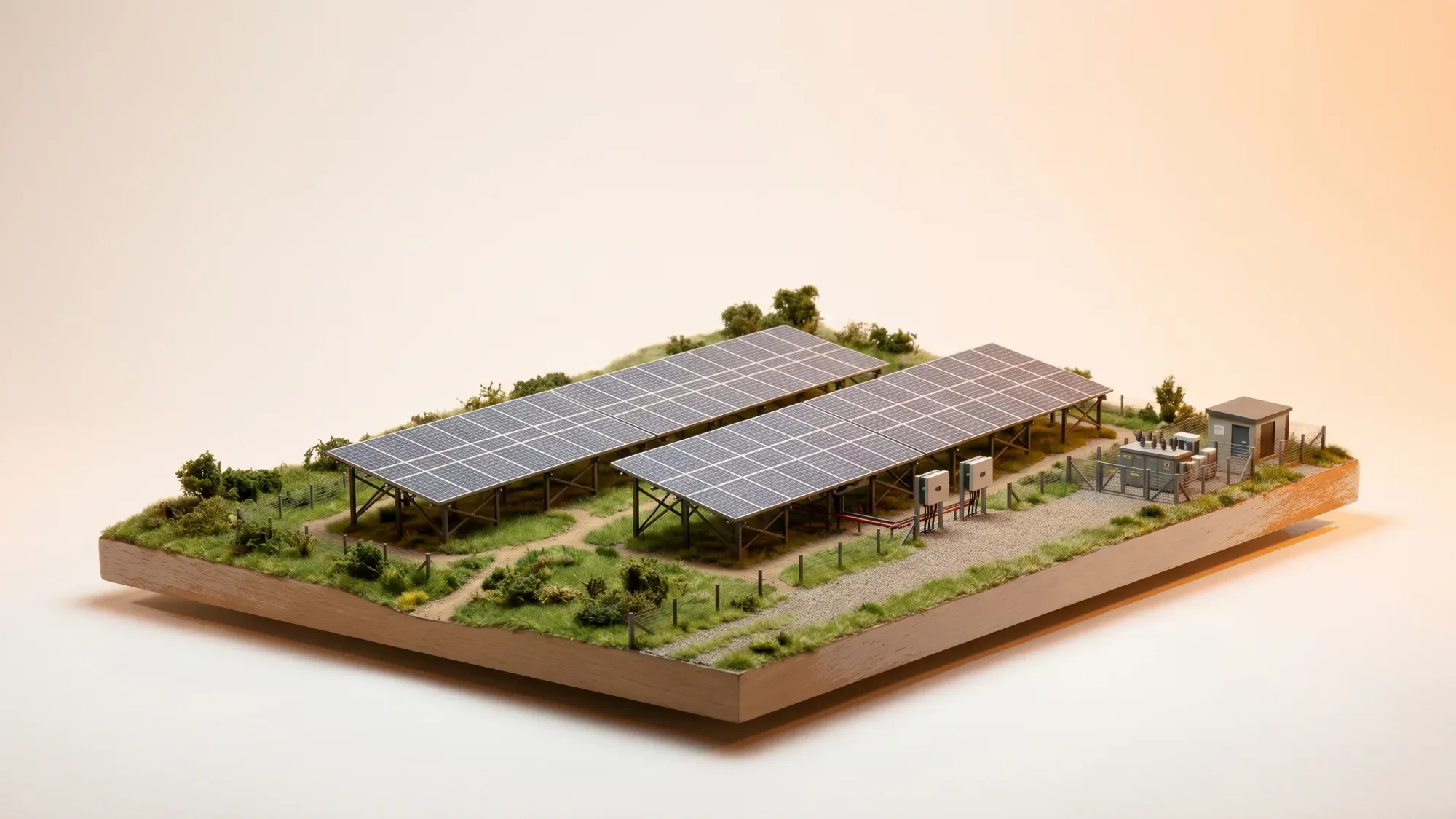
UK approves two new solar farms, boosting energy independence
The UK government has granted development consent for two significant solar farms: Peartree in Yorkshire and Dean Moor in West Cumbria.1 This move is framed as a key step towards "energy independence" and is expected to collectively provide clean power for over 200,000 homes marking a substantial step forward in the UK's renewable energy capacity.
Boosting UK energy independence with large-scale solar
Expanding large-scale solar development is central to the UK's strategy for a secure and sustainable energy future. By growing its renewable energy infrastructure, the country aims to reduce reliance on imported fossil fuels and enhance its energy security. This shift supports the UK's Net Zero ambitions and contributes to a more resilient energy supply.
Government green light for Peartree and Dean Moor
The Department for Energy Security and Net Zero (DESNZ) confirmed the approval of the Peartree solar farm in Yorkshire and the Dean Moor solar farm in West Cumbria this week. These developments are a direct result of the government's push to accelerate clean energy projects. Collectively, these two sites are projected to generate enough clean electricity to power more than 200,000 homes. For context, the average UK home uses around 2,700 kWh of electricity per year.
The strategic role of solar in UK Net Zero targets
Large-scale solar farms are crucial for meeting the UK's ambitious energy goals, particularly its Net Zero targets. Solar energy is one of the cheapest forms of power available, offering a pathway to decarbonise the electricity grid and reduce greenhouse gas emissions. These projects contribute significantly to the UK's overall renewable energy capacity, helping to stabilise energy prices and build a more sustainable energy system for the future.
Navigating the UK solar farm approval process
Developing large-scale solar farms in the UK involves a complex planning and regulatory process. Understanding these stages is vital for successful project delivery.
Key stages of development consent
The process typically begins with initial site feasibility studies and comprehensive environmental impact assessments. Early engagement with local authorities and communities is crucial to address concerns and build support. A detailed planning application is then prepared and submitted, adhering to national planning policy statements and local development plans. Following submission, there's a period for public consultation, requiring developers to respond to any objections or concerns. The final stage involves securing development consent from the relevant planning authority or, for larger projects, the Secretary of State.
Environmental and local community considerations
Environmental Impact Assessments (EIAs) are a mandatory part of the planning application for significant solar farm developments. These assessments evaluate potential impacts on biodiversity, landscape, and local ecosystems. Addressing local community concerns through transparent engagement and benefit-sharing initiatives can significantly smooth the approval process.
The role of the Department for energy security and Net Zero (DESNZ)
The DESNZ plays a pivotal role in the approval of large-scale energy projects in the UK. For Nationally Significant Infrastructure Projects (NSIPs), such as the Peartree and Dean Moor solar farms, the final decision on development consent rests with the Secretary of State for DESNZ, rather than local planning authorities. This central government oversight underscores the strategic importance of these projects for national energy policy.
Fuse Energy's contribution to UK solar capacity
Fuse Energy is actively involved in building the UK's energy infrastructure, demonstrating a commitment to a future powered by abundant, clean energy.
Building a future with power to play with
Fuse Energy's vision is to create a future with "power to play with," where energy is so abundant it stops being a concern. Successful solar farm approvals, like the recent government decisions, are critical steps towards achieving this. Fuse's long-term strategy aims to deliver terawatt-hours of the cheapest, cleanest energy possible, aligning with its core belief of never settling for scarcity.
Lessons from netley North and Bullous Park
Fuse Energy owns and operates successful solar projects. Netley North, a 5.2 MW solar site in Hampshire, and Bullous Park, a larger 12 MW solar farm in Devon, serve as real-world examples of operational renewable energy capacity. These projects highlight the rigorous planning and execution required to contribute to the UK's clean energy goals.
Investment and future outlook for UK solar
The recent approvals signal a positive outlook for investment in the UK's solar sector and its broader energy supply.
Driving renewable energy investment
The government's continued support for large-scale solar projects, as evidenced by the Peartree and Dean Moor approvals, provides confidence for further investment in the renewable energy sector. Solar is recognised as one of the most cost-effective forms of electricity generation, making it an attractive area for both domestic and international investment. This influx of capital is essential for accelerating the deployment of clean energy infrastructure.
The path to greater British energy supply
These developments are crucial for strengthening the British energy supply and moving towards greater energy independence. By diversifying the energy mix with homegrown renewables, the UK reduces its vulnerability to volatile international fossil fuel markets. The ongoing expansion of solar power capacity is a key component of the strategy to ensure a stable, affordable, and clean energy supply for all.
Conclusion: accelerating clean power generation
The approval of the Peartree and Dean Moor solar farms represents a significant milestone in the UK's journey towards a sustainable and energy-independent future. These projects underscore the government's commitment to large-scale renewable energy and highlight the critical role solar power plays in achieving Net Zero targets. For developers, investors, and landowners, understanding the planning and regulatory landscape is paramount to contributing to this vital national effort.
For the avoidance of doubt, this article is provided for informational purposes only and is not intended to constitute legal or financial advice. The author and/or Fuse Energy shall not be responsible for any losses arising out of any reliance on the information contained herein.