Plug-in solar and battery storage: the UK energy debate
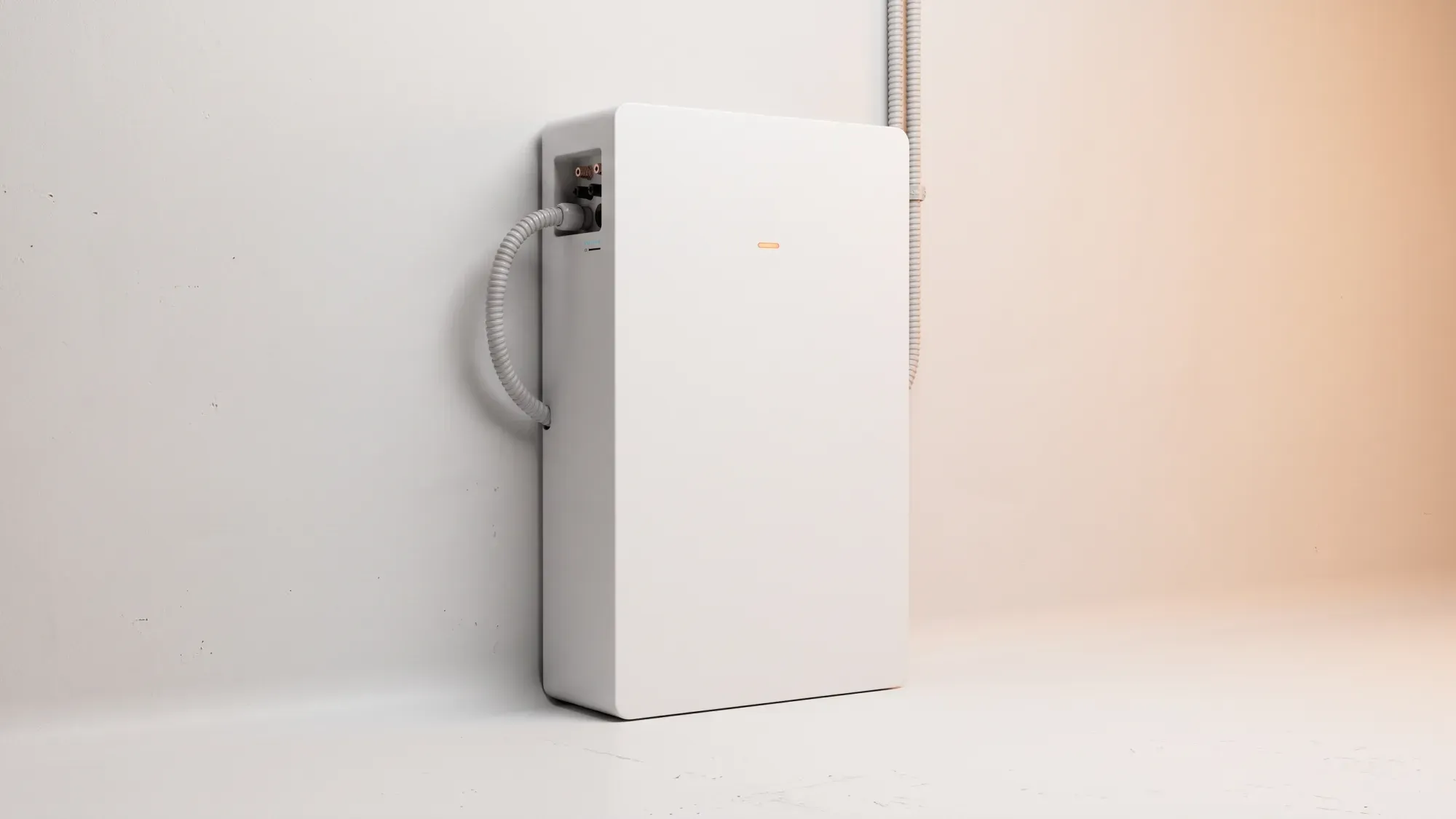
The UK is seeing a significant shift towards plug-in solar energy1, sparking increased discussions about the necessity and integration of battery storage solutions. This trend highlights the growing adoption of decentralised solar power generation, which, while beneficial for renewable energy targets, presents challenges for grid stability and energy management. The debate centres on how best to harness this intermittent energy source, with battery storage emerging as a crucial component for optimising energy use, ensuring supply reliability, and reducing reliance on traditional grid infrastructure. Stakeholders are exploring various strategies to scale up battery deployment, considering both domestic and utility-scale applications to support the evolving energy landscape.
Understanding the UK solar battery debate
The conversation around solar batteries in the UK is gaining momentum as more households embrace renewable energy. This isn't just about saving money; it's about a fundamental shift in how we power our homes and support the national energy infrastructure.
The rise of plug-in solar energy
The UK has seen a surge in solar installations. Rooftop solar, in particular, is driving this growth, demonstrating a growing appetite among households to generate their own clean electricity. This move towards decentralised energy generation is a positive step for meeting renewable energy targets. However, solar power is inherently intermittent; it only generates electricity when the sun shines, creating challenges for grid stability and energy management.
Why battery storage is central to the discussion
This intermittency is precisely why battery storage has become central to the energy debate. Batteries bridge the gap between when solar energy is generated and when it's actually needed, allowing homeowners to store surplus electricity for use during evenings or cloudy days. Without storage, a significant portion of self-generated solar power might be exported to the grid at lower rates than it costs to import electricity later. By enabling the storage and strategic use of this energy, batteries are crucial for optimising solar energy use, ensuring a reliable supply, and reducing reliance on the traditional grid infrastructure. Both domestic and utility-scale battery solutions are being explored to support the UK's evolving energy landscape.
The benefits of solar battery storage for UK homes
Installing a solar battery system offers a range of advantages, transforming how you interact with your energy supply.
Boosting energy independence and self-consumption
A primary benefit of solar battery storage is the ability to maximise the use of self-generated electricity. In a typical UK household, energy consumption often peaks in the evenings, while solar panels produce most of their power during the day. A battery allows you to store this daytime surplus and use it when generation is low, significantly increasing your solar self-consumption rate. By using more of your own energy, you reduce your reliance on grid electricity, moving towards greater energy independence.
Enhancing grid resilience and stability
Beyond individual household benefits, widespread domestic battery storage contributes to a more resilient and stable National Grid. By storing and releasing energy locally, batteries can help balance supply and demand, reducing strain on the grid during peak times. This decentralised approach to energy management is vital as the UK transitions to a system increasingly powered by intermittent renewable sources like wind and solar.
Financial savings and return on investment
While the upfront cost is a consideration, solar batteries can lead to notable financial savings. By increasing self-consumption, you buy less electricity from the grid, especially during expensive peak hours. If you are on a multi-rate tariff, you can also charge your battery with cheaper off-peak electricity from the grid and use it when rates are higher. The cost of battery storage systems has significantly decreased over the last decade, making them more accessible to homeowners.
Key challenges and considerations
Despite the clear advantages, adopting solar battery storage involves navigating certain challenges.
Integration with the National Grid
Integrating numerous domestic battery systems into the National Grid requires careful management. The UK's existing grid infrastructure was largely designed for a one-way flow of energy from large power plants, making it challenging to accommodate the variable and decentralised nature of renewables and storage. Regulations are evolving to ensure these systems can connect safely and efficiently without negatively impacting local electricity networks. For instance, grid-connected home battery systems typically require notification to your Distribution Network Operator (DNO) under G98 or G99 regulations, depending on their size and type.
Upfront costs and payback periods
The initial investment for a solar battery system can be substantial. While costs are falling, the payback period for this investment varies significantly based on individual electricity usage, solar generation patterns, and available tariffs. It's crucial to evaluate these factors carefully to understand the potential financial return for your specific circumstances.
Technological advancements and lifespan
Battery technology is advancing rapidly, with improvements in efficiency, capacity, and lifespan. Most modern lithium-ion batteries, like those used in residential systems, are typically rated for many thousands of cycles, equivalent to 10-15 years of daily use, and often come with 10-year warranties. However, battery capacity can degrade over time, with some systems retaining a significant portion of their original capacity after a decade. Staying informed about the latest technological developments is important for making an informed decision.
Navigating UK policy and regulatory landscape
Government policy and regulation play a significant role in shaping the solar battery market in the UK.
Current government incentives and support
The UK government has set ambitious targets for increasing renewable energy generation and storage capacity. To encourage adoption, several incentives are in place. The 0% VAT rate on qualifying domestic solar panel and battery storage installations, which runs until at least March 2027, significantly reduces upfront costs. Additionally, the Smart Export Guarantee (SEG) allows homeowners to earn money by exporting any excess electricity they generate back to the grid.
References
- Argus Media. UK plug-in solar shift prompts battery debate
Disclaimer
For the avoidance of doubt, this article is provided for informational purposes only and is not intended to constitute legal or financial advice. The author and/or Fuse Energy shall not be responsible for any losses arising out of any reliance on the information contained herein.