The deflationary power of renewable energy
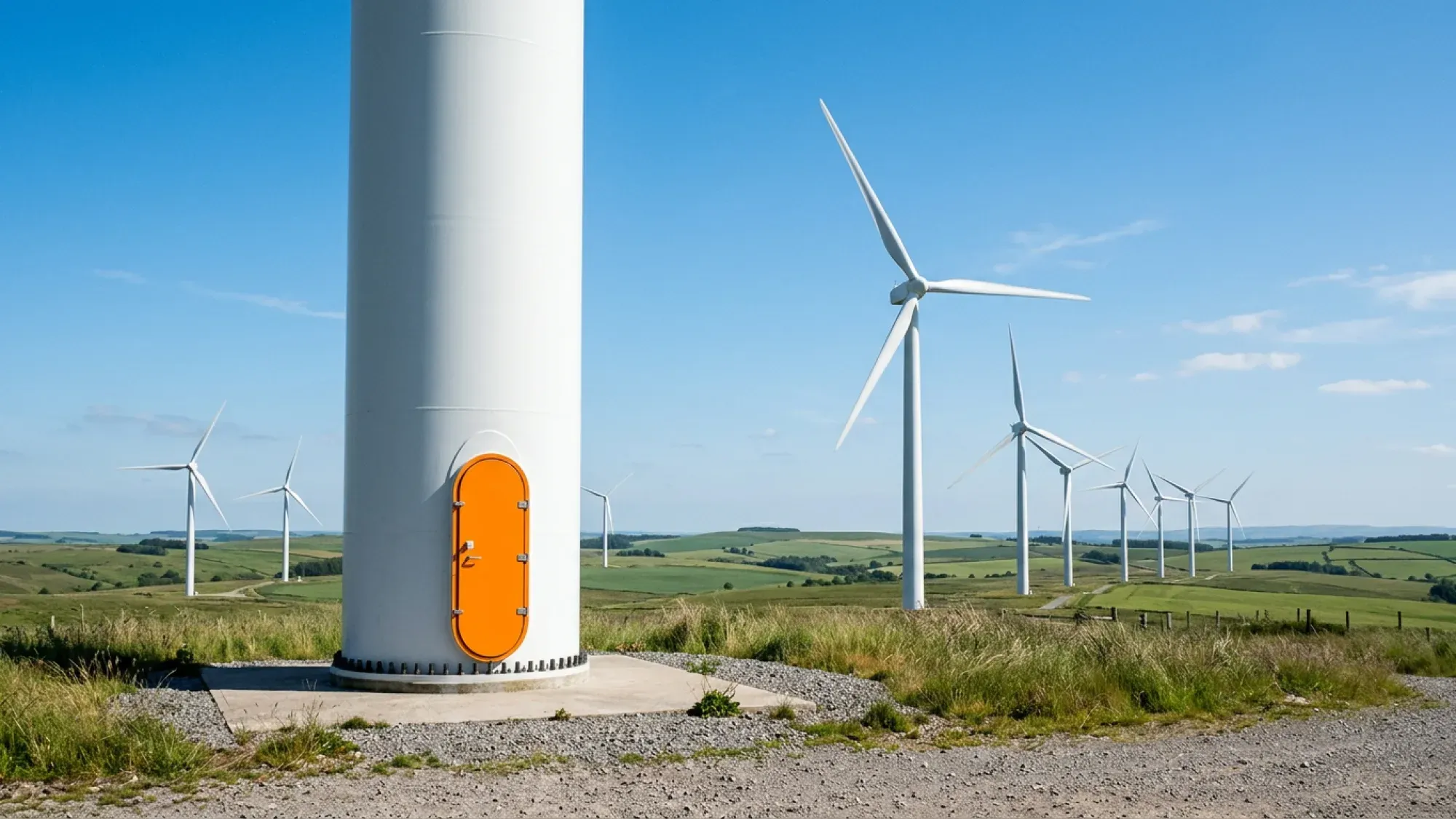
Renewable energy sources are now cheaper to build and operate than existing fossil fuel power plants in the UK, creating a significant deflationary impact on electricity costs for consumers1. This shift is crucial as the UK's electricity demand grows for the first time in decades, driven partly by advancements in artificial intelligence (AI). The broader energy transition encompasses not just renewable generation but also electrification and energy efficiency, with semiconductors playing a vital enabling role.
Understanding the evolving energy landscape can help you make informed decisions about your home's energy. Fuse Energy is committed to providing clear pricing and a modern energy experience. Click here to switch to Fuse Energy today.
Enter your address to get a quote and see how much you could save
The economic reality of UK renewable energy
The narrative that renewable energy is inherently expensive or unreliable no longer holds true. A fundamental economic shift has occurred, positioning clean energy as a cost-effective and stable alternative to traditional fossil fuels.
Cheaper than fossil fuels: a paradigm shift
For at least the past six years, it has been more economical to construct a new wind farm or install solar panels than to simply run an existing gas or coal power plant. Manuel Losa, co-manager of the £4.9bn Pictet Clean Energy Transition fund, highlighted this, stating, "Renewables are at a point – and they have been there for the past six years – where it is cheaper to build a wind farm or a solar panel than to simply run your existing gas or coal power plant". This economic reality means that new renewable capacity is not just an environmental choice, but a financially sound one.
The deflationary impact on UK electricity costs
The increasing deployment of renewable energy sources has a direct deflationary effect on UK electricity costs. Losa further emphasised this, noting, "If you install an onshore wind farm in the UK, it will be deflationary for UK electricity consumers". This means that as more onshore wind farms are built, the overall cost of electricity for households tends to decrease, offering a tangible benefit beyond environmental considerations.
Energy security and price stability
Beyond cost reduction, renewables enhance energy security and price stability. By reducing reliance on volatile international fossil fuel markets, the UK can better shield households from global price shocks. This domestic generation capacity provides a more predictable and stable energy landscape, moving away from the historical fluctuations tied to gas and coal prices.
Powering a growing UK: demand and innovation
The UK's energy landscape is undergoing significant changes, with electricity demand on the rise and technological innovation playing a central role in meeting these new challenges.
Rising electricity demand: the AI factor
For the first time in 15 to 20 years, electricity demand in developed nations, including the UK, is growing. A significant driver of this growth is the rapid expansion of artificial intelligence (AI) and the data centres required to power it. Data centres are consuming an increasing share of the UK's electricity, with research indicating their usage is around 6% of the total supply in both the UK and US. This surge in demand necessitates a robust and expanding clean energy supply.
"Renewables are at a point – and they have been there for the past six years – where it is cheaper to build a wind farm or a solar panel than to simply run your existing gas or coal power plant." — Manuel Losa, Co-manager of the Pictet Clean Energy Transition fund
Electrification and energy efficiency: two sides of the coin
The energy transition is not solely about generating more renewable electricity; it also involves widespread electrification and improved energy efficiency. Electrification means switching from fossil fuels to electricity for heating, transport, and industrial processes. Simultaneously, energy efficiency measures aim to reduce overall consumption, ensuring that the growing demand is met sustainably. This dual approach maximises the impact of clean energy generation.
The critical role of semiconductors in the energy transition
Semiconductors are indispensable to the energy transition. They are the foundational components in everything from solar panels and wind turbines to electric vehicles and smart grids. Manuel Losa succinctly puts it: "There is no energy transition without semiconductors". These tiny components enable the efficient conversion, storage, and distribution of renewable energy, making smarter, more reliable, and accessible clean energy systems possible.
Key renewable technologies driving the UK's energy mix
The UK is increasingly harnessing its natural resources to build a diverse and resilient clean energy mix.
Onshore and offshore wind power
Wind power, particularly offshore wind, is a cornerstone of the UK's renewable energy strategy. The UK boasts some of the best wind resources in Europe, making both onshore and offshore wind farms highly effective. Onshore wind offers a cost-effective route to adding new capacity, while offshore wind provides large-scale generation potential.
Solar energy: accessibility and cost
Solar energy, through photovoltaic (PV) installations, continues to grow in accessibility and affordability. While the UK's latitude means solar output is less consistent than in sunnier climates, advancements in technology and falling costs make it a valuable part of the energy mix, both at utility scale and for domestic installations.
Beyond wind and solar: emerging technologies
While wind and solar dominate, other emerging technologies are also contributing to the UK's clean energy future. These include tidal and wave power, which leverage the UK's extensive coastline, and advanced energy storage solutions that help manage the intermittency of renewables.
The future of UK renewable energy: abundance and opportunity
The trajectory for UK renewable energy points towards a future of abundance, driven by strategic policy and continuous innovation.
Policy and investment driving decarbonisation
Government policies and significant investment are crucial for accelerating the UK's decarbonisation strategy. Regulations set by bodies like Ofgem ensure fair practices and consumer protection within the evolving energy market. The industry is also managing transitions such as the phase-out of the Radio Teleswitch Service (RTS), which began on 30 June 2025, requiring older meters to be replaced with smart meters to avoid disruption. This ensures the infrastructure keeps pace with technological advancements.
Building the energy system of tomorrow
The energy transition is about rebuilding the entire energy system, from generation to consumption. This includes developing robust energy infrastructure, promoting electrification, and integrating smart technologies. This comprehensive approach aims to deliver vast quantities of cheap, clean electricity, enabling greater energy use rather than advocating for scarcity.
A future of prosperity, not scarcity
The shift to renewable energy offers a future where energy is abundant, affordable, and clean, challenging the notion that prosperity must come at an environmental cost. This vision allows for warm homes, affordable electric vehicle charging, and the powering of new technologies like AI, without trade-offs. It's about building a future where energy empowers progress and innovation for everyone.
At Fuse Energy, we believe in a future where energy is abundant, affordable, and clean. We're building an energy experience designed around you, with clear pricing and 24/7 human support. Switching to Fuse is quick and easy, helping you take control of your energy bills. Click here to switch to Fuse Energy today and join the energy revolution. You can also learn more about our mission to deliver the abundant, clean energy the future requires by clicking here.
References
Disclaimer
For the avoidance of doubt, this article is provided for informational purposes only and is not intended to constitute legal or financial advice. The author and/or Fuse Energy shall not be responsible for any losses arising out of any reliance on the information contained herein.