Burnham reaffirms climate commitment, eyes de-linking energy prices
UK Prime Minister Andy Burnham has reiterated his steadfast commitment to tackling climate change, asserting there has "no change at all" to his stance1 despite ongoing pressure over North Sea oil and gas drilling. His recent statements highlight a strategic approach that seeks to balance ambitious climate goals with the immediate needs of energy security and cost of living pressures. This vision points towards a future where clean-powered industry and energy market reforms aim to deliver more affordable energy for British households.
Managing your home's energy can be simpler and more affordable. Fuse Energy is committed to making energy transparent and easy to understand, helping you take control of your bills. Click here to switch to Fuse Energy today.
Enter your address to get a quote and see how much you could save
The Prime Minister's unwavering climate stance
Reiterating the 'no change at all' position
Prime Minister Andy Burnham recently affirmed his "unwavering commitment" to tackling climate change, stating clearly that there was "no change at all" to his position. Speaking during a visit to South Wales, Burnham referenced his previous leadership bid in 2015, where he pledged that his party would "never turn our back on either our duty to tackle climate change or the prospects offered by the green economy". He also pointed to his record as Mayor of Greater Manchester, where he pursued a carbon-neutral ambition for the city by 2038, as evidence of his consistent dedication to environmental action.
Addressing pressure on North Sea oil and gas
The Prime Minister's reaffirmation comes amidst mounting pressure over North Sea oil and gas drilling. Decisions are currently pending on the Rosebank and Jackdaw oil and gas fields, which have become a focal point for environmental activists and industry stakeholders alike. While environmental groups urge a refusal of consent due to climate impact concerns, the oil and gas industry argues that approval would create jobs and potentially reduce energy bills. The UK is legally bound to achieve net-zero carbon emissions by 2050 under the Climate Change Act 2008, as amended in 2019, making these decisions a critical test for the government's climate strategy.
Balancing energy security and cost of living
The 'pragmatic' approach to UK energy resources
Prime Minister Burnham has advocated a "pragmatic" approach to North Sea oil and gas, a stance that echoes the views of eco-tycoon Dale Vince. Vince has suggested that if the UK price controlled its own North Sea oil and gas, there would be a valid economic argument for permitting Rosebank or Jackdaw, as this could lead to cheaper energy. This perspective suggests domestic fossil fuel extraction could secure energy supplies and lead to cheaper energy during the transition to cleaner sources.
The drive to de-link gas and electricity pricing
A key initiative highlighted by the Prime Minister is the ambition to "de-link gas and electricity pricing". This reform aims to reduce people's energy bills by severing the historical tie between the price of gas and the overall cost of electricity, which is often influenced by more expensive gas-fired generation, even when cheaper renewables are available. Burnham explicitly linked this de-linking to the expansion of renewable energy, suggesting it would be "one of the biggest moves we could make to support people with the cost of living".
Impact on household energy bills
The government's focus on de-linking gas and electricity prices directly addresses the significant impact of energy costs on households. With energy bills being a major component of the cost of living, reforms that aim to reduce these expenses are crucial. By prioritising renewable energy expansion, the long-term goal is to create a more stable and affordable energy market, lessening the financial burden on consumers.
Green industrial transition: a vision for the future
Port Talbot: a blueprint for clean-powered industry
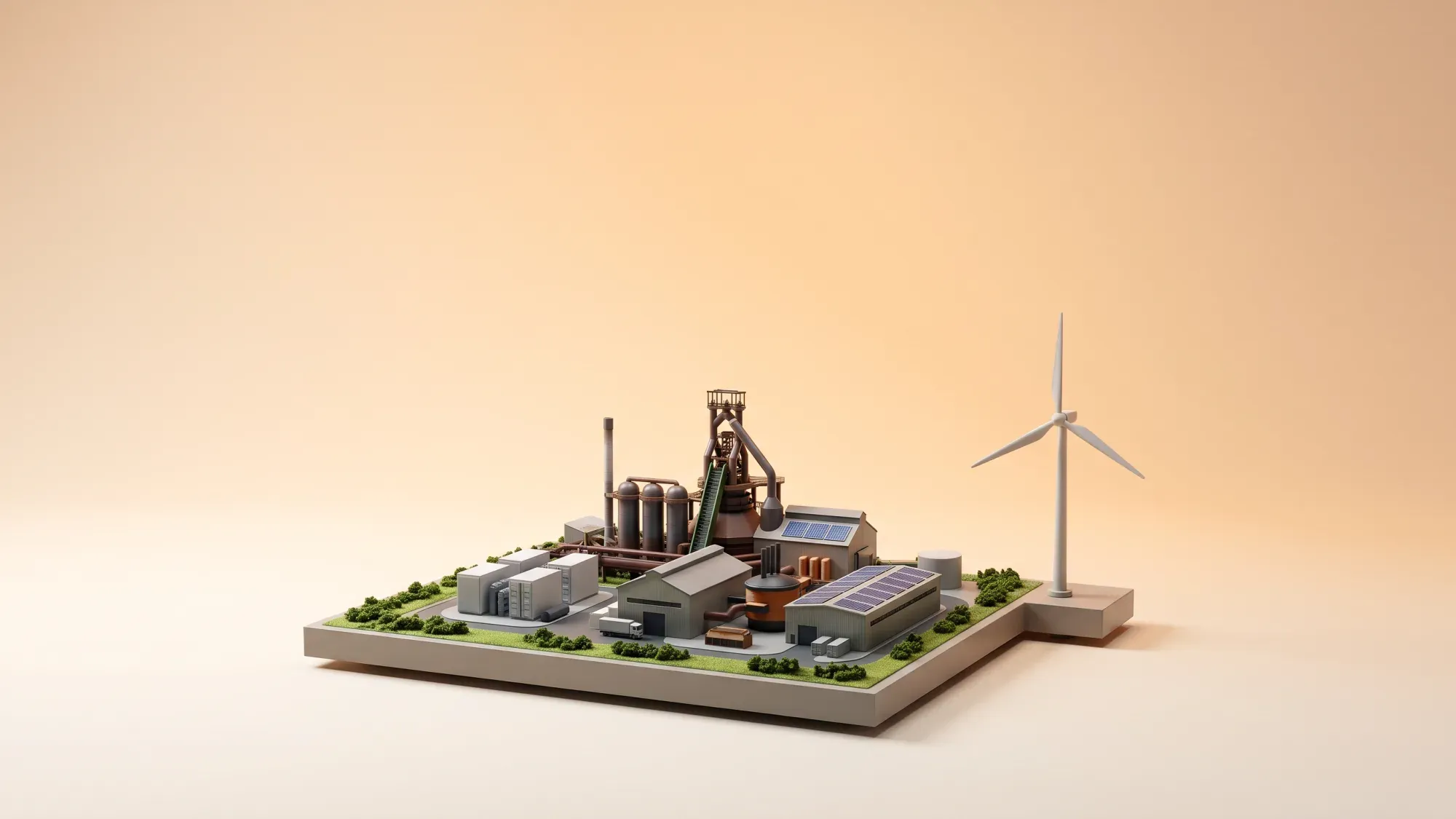
The transformation of Port Talbot in South Wales stands as a prime example of the UK's green industrial transition. The steelworks, which saw its blast furnaces close in 2024, is moving towards green steel production using new electric arc furnaces. This £1.25 billion investment, including a £500 million UK Government grant, is expected to reduce the site's carbon emissions by around 90% and secure thousands of jobs. Port Talbot is also developing its port infrastructure to assemble and supply turbines for offshore floating wind arrays in the Celtic Sea, showcasing a multifaceted approach to industrial renewal.
What is green steel production?
Green steel production involves manufacturing steel using processes that significantly reduce carbon emissions compared to traditional methods. This often includes utilising electric arc furnaces (EAFs) powered by renewable energy and increasing the use of recycled scrap steel. The transformation at Port Talbot aims to cut direct CO2 emissions by 90% through this transition.
Investing in future-focused, sustainable growth
The Prime Minister emphasised the need to "turn our thinking - to future industry that is clean powered". Projects like Port Talbot demonstrate a commitment to investing in sustainable growth that aligns with climate goals while fostering economic development and job creation. This approach seeks to position the UK as a leader in clean technology and industrial innovation.
The role of renewable energy in the UK
Renewable energy expansion is central to the UK's climate strategy and its efforts to reduce energy bills. The push to de-link gas and electricity pricing is directly tied to building out more renewables. The UK government aims to generate at least 95% of Great Britain's electricity from clean sources by 2030, as outlined in its Clean Power 2030 Action Plan. This focus on clean power is crucial for achieving the country's carbon-neutral targets and ensuring long-term energy independence.
Implications for the UK's energy future
Towards greater UK energy independence
The government's strategy, encompassing both a "pragmatic" approach to North Sea resources and a significant push for renewables, aims to enhance the UK's energy independence. Reducing reliance on volatile international fossil fuel markets through domestic production and expanding clean energy sources can provide greater stability and control over energy supplies. This move is critical for insulating the UK from global price shocks and securing its energy future.
Navigating the carbon neutral target
The UK has a legally binding target to reach net-zero carbon emissions by 2050. The Prime Minister's reiterated climate commitment and the emphasis on green industrial transitions are steps towards this ambitious goal. While decisions on new oil and gas fields present a complex challenge, the broader strategy focuses on systemic changes, such as energy market reform and renewable expansion, to ensure the UK remains on track to meet its carbon-neutral objectives.
Empowering consumers through affordable clean energy
Fuse Energy interprets the Prime Minister's climate commitments as crucial steps towards achieving affordable, clean energy for UK homes, challenging the scarcity narrative and empowering customers. The initiatives, from green industrial projects like Port Talbot to the ambition of de-linking gas and electricity pricing, align with a vision where energy is no longer a source of worry but a foundation for a better life. By focusing on delivering the cheapest, cleanest energy possible, the aim is to give consumers more "power to play with."
At Fuse Energy, we believe in making energy simple, transparent, and affordable. Our app provides real-time usage data, helping you understand and manage your consumption. Plus, our 24/7 human customer support team is always on hand to help. Switch to Fuse Energy today and experience a modern approach to home energy. Find out more about our mission here or click here to get started.
References
Disclaimer
For the avoidance of doubt, this article is provided for informational purposes only and is not intended to constitute legal or financial advice. The author and/or Fuse Energy shall not be responsible for any losses arising out of any reliance on the information contained herein.