UK power grid needs £89 billion upgrade by 2030s
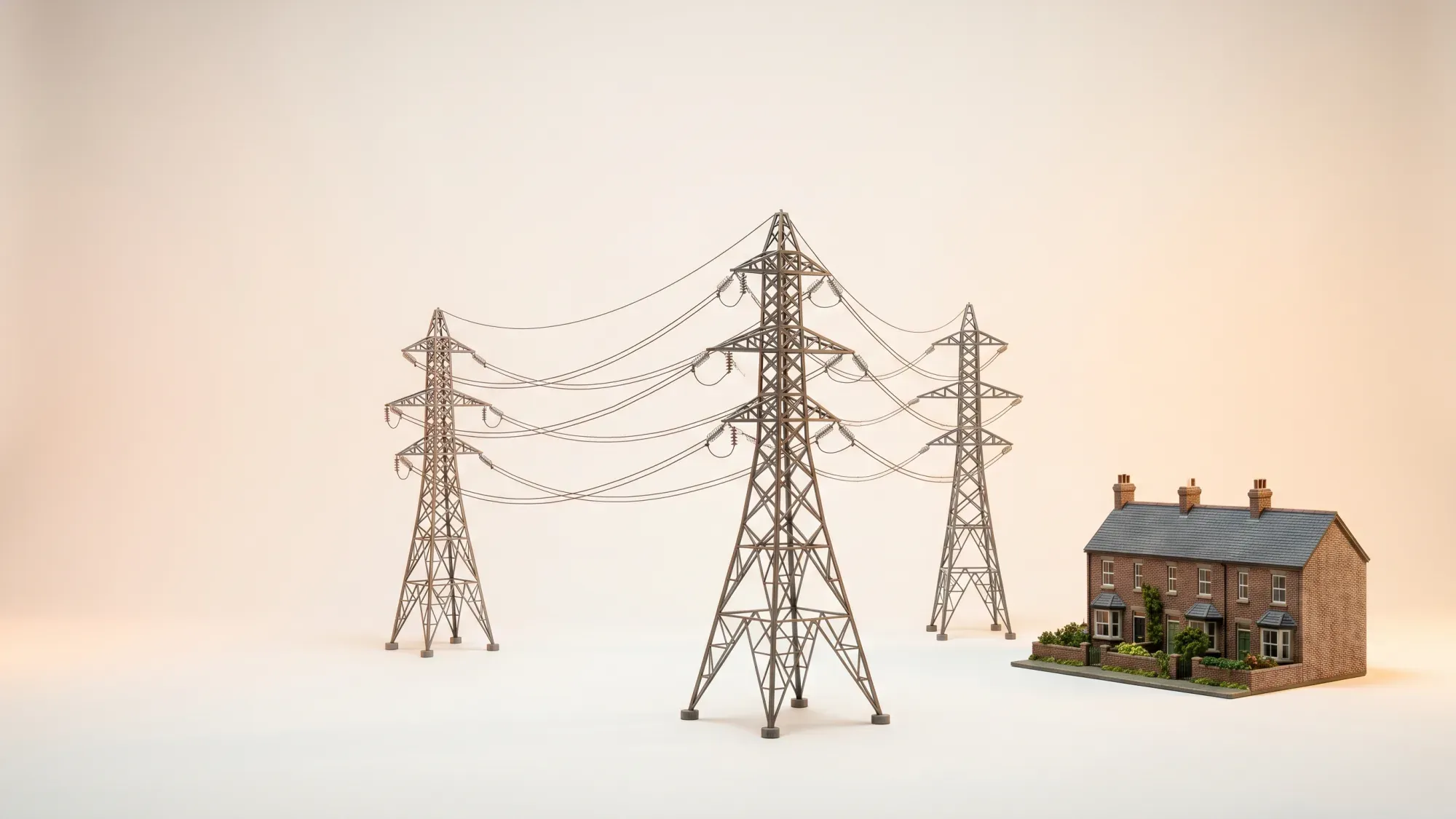
Britain's power grid requires an investment of £89 billion by the 2030s, a substantial figure representing a 53% increase from a 2024 estimate1. This critical upgrade, detailed in the National Energy System Operator's (NESO) "Beyond 2030" report, is essential to prevent growing inefficiencies and higher costs for consumers. Without these upgrades, the grid could face significant challenges in supporting the UK's clean power targets and an expected surge in electricity demand.
Understanding the evolving energy landscape and its impact on your home is key to managing your bills. Fuse Energy is committed to making energy simple and transparent. Click here to switch to Fuse Energy.
Enter your address to get a quote and see how much you could save
The urgent need for grid modernisation
The UK's energy infrastructure, much of which dates back decades, is facing unprecedented pressure. The rise of new technologies and a national drive towards decarbonisation mean the existing grid is no longer fit for purpose.
Ageing infrastructure and future demands
The current grid infrastructure struggles to cope with the rapid changes in energy generation and consumption. Demand for electricity is projected to grow by over 30% by the mid-2030s. This surge is driven by the widespread adoption of electric vehicles (EVs), the construction of new housing, industrial electrification, and the increasing energy needs of AI-enabled data centres. These developments, while crucial for economic growth and environmental goals, place immense strain on an already stretched system.
The vision for a resilient grid
The vision for a modernised grid is one of resilience, efficiency, and adaptability. It aims to ensure that electricity can be transported reliably and efficiently across the country, supporting economic growth and maintaining a secure and affordable energy supply for decades to come. This involves not just replacing old components but building a smarter, more interconnected network capable of handling diverse energy sources and fluctuating demand.
Understanding the £89 billion investment
The scale of the required investment highlights the profound transformation needed for the UK's energy future. The £89 billion figure is a significant jump from previous projections, reflecting new challenges and opportunities.
Why the cost has increased
The £89 billion investment represents a 53% increase from a plan announced in 2024. This escalation is primarily due to recommendations for new offshore connections and the impact of inflation. The "Beyond 2030" report by NESO outlines these factors, emphasising the need for a strategic approach to funding.
Key drivers: offshore wind and demand surge
A major component of the increased cost is a £15 billion project dedicated to connecting wind projects in the Celtic Sea to the grid. Offshore wind is a critical technology for achieving net zero, and integrating these large-scale renewable sources requires extensive new infrastructure. The overall demand surge, driven by electrification across various sectors, further necessitates this substantial investment to ensure the grid can reliably deliver power where and when it's needed.
Why has the UK power grid investment increased so much?
The UK power grid investment has risen to £89 billion, a 53% increase from 2024 estimates, primarily due to new offshore connection recommendations and inflation. Projects like the £15 billion Celtic Sea wind connection are significant drivers, alongside the need to meet a projected 30% growth in electricity demand by the mid-2030s.
Impact on UK consumers and energy bills
The cost of upgrading the national infrastructure inevitably raises questions about the impact on household budgets. Understanding how these costs are managed is crucial for consumers.
Network fees and upgrade costs
Network fees currently account for approximately 25% of a typical domestic energy bill in Britain. These fees cover the costs of building, maintaining, and operating the transmission and distribution networks that deliver electricity to homes. Once approved by the energy regulator Ofgem, upgrade costs are typically added to consumer bills. Ofgem's role is to ensure that these investments deliver value for consumers and that network companies are held accountable for their delivery.
Balancing affordability with progress
The challenge lies in balancing the need for essential grid modernisation with the imperative to keep energy affordable for consumers, especially amidst the ongoing cost of living crisis. Ofgem states that investing now is the most cost-effective way to harness clean power and protect the country from gas price shocks, with electricity grid expansion alone expected to reduce bills by £50 by 2031 compared to not expanding the grid.
Powering the future: EVs, AI, and clean energy
The grid upgrade is not just about maintaining the status quo; it's about enabling a future powered by clean, abundant energy.
Meeting growing demand
The projected 30% increase in electricity demand by the mid-2030s is a testament to the UK's evolving energy landscape. Electric vehicles will require extensive charging infrastructure, new housing developments will add to residential load, and the burgeoning industry, including energy-intensive AI data centres, will need reliable and scalable power supplies. A modernised grid is the backbone that will support this growth, ensuring that these advancements are not hindered by inadequate infrastructure.
Integrating renewable sources
The grid upgrade is fundamental to integrating a greater proportion of renewable energy sources into the national supply. While wind and solar generation have grown rapidly, the country's transmission capacity has lagged, sometimes forcing the system to switch off renewable output because it cannot reach areas where it's needed. The new infrastructure, including extensive offshore cabling, will facilitate the connection of more clean power projects, helping the UK meet its clean power targets and reduce reliance on fossil fuels.
Building a future with power to play with
The substantial investment in the UK power grid is a foundational step towards a future where energy is abundant and reliable, moving beyond a scarcity mindset.
Fuse Energy's strategic contribution to grid modernisation
Fuse Energy aims to contribute to grid modernisation through its vertical integration strategy. This involves rebuilding the energy system from scratch, which includes acquiring and modernising grid infrastructure. By investing in and optimising these critical assets, Fuse seeks to reduce transmission and distribution costs, directly supporting the goal of delivering cheaper, cleaner energy to consumers. This proactive approach helps ensure that the UK's energy system is robust enough to provide "power to play with" - energy so abundant it stops being a constant concern.
The long-term benefits of investment
While the £89 billion investment is significant, its long-term benefits are profound. A modernised grid enhances energy security by reducing dependence on volatile international energy markets and integrating more homegrown renewable power. It supports the UK's net zero targets by enabling the widespread adoption of clean technologies. Ultimately, this investment paves the way for a more efficient, reliable, and sustainable energy system, empowering consumers with a clearer understanding of their energy supply and its impact on their lives.
Ready to take control of your energy? Fuse Energy offers clear pricing, real-time usage data, and 24/7 human customer support, all designed to give you a modern energy experience. Switching is quick and easy, helping you manage your bills effectively. Click here to switch to Fuse Energy today and discover a better way to power your home. You can also learn more about our mission to make energy abundant by clicking here.
References
- London South East. Britain must invest £89 billion to upgrade power grid, Operator says
Disclaimer
For the avoidance of doubt, this article is provided for informational purposes only and is not intended to constitute legal or financial advice. The author and/or Fuse Energy shall not be responsible for any losses arising out of any reliance on the information contained herein.