NESO curbs exports to Europe amid UK power grid strain
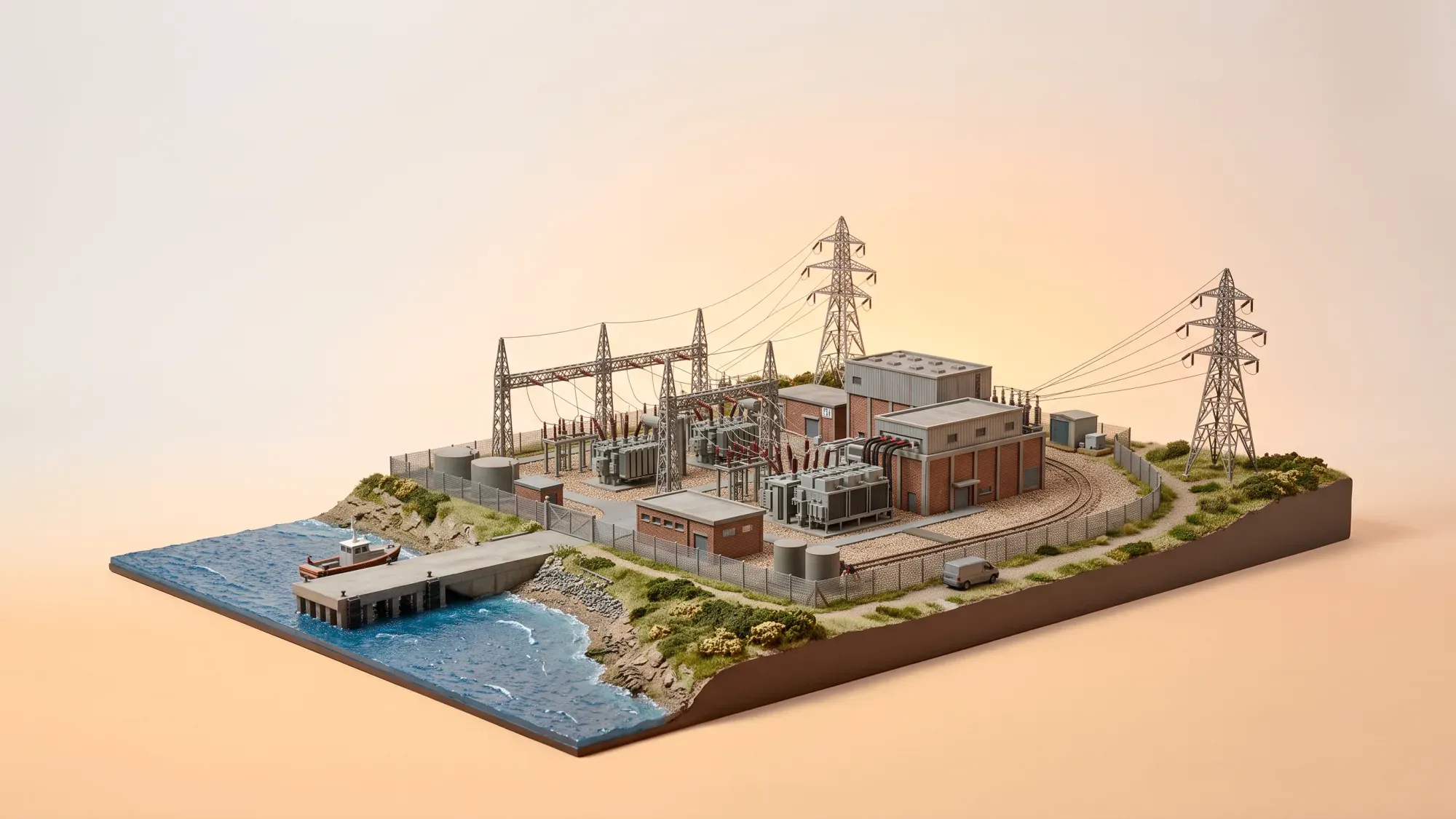
The UK's National Energy System Operator (NESO) has announced plans to more frequently restrict electricity exports to Europe via its interconnectors. This decision comes as a direct response to recent periods of significant strain on the National Grid, particularly an "unusually tight balance between supply and demand during a heat wave" in late June. NESO will now make day-ahead decisions on reducing capacity across its four key links to Norway, Denmark, Belgium, and France. This measure aims to give Britain greater control over its electricity system during stressful periods, though it may impact European nations that rely on UK power flows1.
The UK power grid faces complex challenges, but ensuring a stable energy supply for your home is paramount. Fuse Energy is dedicated to making energy abundant and affordable. Click here to switch to a smarter energy experience today.
Enter your address to get a quote and see how much you could save
Understanding the UK power grid's structure and function
The UK's electricity grid is a complex network designed to deliver power from where it is generated to where it is consumed. It comprises various networks operated by different companies across the country.
From generation to consumption: key components
Electricity generation in the UK comes from a diverse mix of sources, including gas-fired power stations, wind turbines, nuclear plants, biomass, and solar farms. Once generated, electricity enters the high-voltage transmission network, typically at 275 or 400 kilovolts (kV).
The role of transmission and distribution networks
The high-voltage transmission network, owned and operated by National Grid Electricity Transmission in England and Wales, acts as the backbone of the system, moving large volumes of electricity across long distances. From the transmission network, electricity is stepped down to lower voltages and delivered to homes through regional distribution networks, which are managed by Distribution Network Operators (DNOs). These distribution networks operate at voltages such as 11, 33, or 132 kilovolts.
Balancing act: how electricity supply meets demand
Maintaining a stable electricity supply requires a constant balancing act between generation and demand. The system must remain stable at a frequency of 50 Hertz (Hz) to prevent disruptions or blackouts. If demand exceeds supply, the frequency drops; if supply is higher, the frequency rises. Operators must keep the frequency within tight limits to protect equipment and ensure stability.
Why is grid frequency important?
Maintaining a stable electricity supply requires the grid frequency to stay at 50 Hertz (Hz). Deviations can lead to disruptions or blackouts, as equipment is designed to operate within tight frequency limits. Operators constantly adjust supply and demand to prevent these issues.
The National energy system Operator (NESO) and grid stability
NESO plays a pivotal role in ensuring the stability and security of Great Britain's electricity system. Established in October 2024, NESO is a government-owned body responsible for operating and developing Great Britain's electricity and gas systems.
NESO's mandate: ensuring security of supply
NESO's primary responsibilities include balancing electricity supply and demand in real-time, strategic planning for electricity networks, and forecasting for gas transmission systems. Its mandate is to promote statutory objectives such as achieving net zero, ensuring security of supply, and fostering efficiency and economy in the energy system. NESO also provides independent advice to government and regulators on the energy transition.
Real-time balancing and operational challenges
NESO monitors the grid constantly, making real-time adjustments to match generation with demand. This includes managing electricity imports and exports and responding quickly to changes in demand or generation capacity. The operational context can be challenging, particularly during extreme weather events or sudden shifts in supply or demand.
Strategic planning for future energy scenarios
Beyond day-to-day operations, NESO has strategic planning roles for the future development of electricity networks, including coordinating network design to meet future infrastructure needs. It also advises on achieving energy policy goals, such as the transition to clean power by 2030.
Interconnectors: connecting the UK to Europe's energy market
Interconnectors are crucial components of the UK's energy infrastructure, linking the National Grid to European energy markets.
What are interconnectors and how do they work?
Interconnectors are high-voltage direct current (HVDC) subsea cables that enable the flow of electricity between different power grids. They allow for both the import and export of electricity, playing a key part in balancing variable renewable generation and supporting security of supply. Power typically flows from markets with lower prices to those with higher prices, helping to equalise prices across markets.
The UK's links to Norway, Denmark, Belgium, and France
The UK has nine operational international electricity interconnectors as of November 2024, with a total capacity that increased to 10.5 GW by 2023. The specific links mentioned in NESO's recent announcement are the North Sea Link to Norway, the Viking Link to Denmark, the NEMO cable to Belgium, and ElecLink to France.
Recent decisions: restricting exports amid domestic strain
In late June, the UK grid experienced significant strain during a heatwave, leading to an "unusually tight balance between supply and demand". During this period, the UK was exporting electricity to Europe, which was also struggling with high temperatures. This necessitated emergency requests to halt power flows out of the country.
Following this incident, NESO announced it would more frequently decide a day in advance whether to reduce capacity on its four interconnectors to Norway, Denmark, Belgium, and France. This measure aims to give Britain greater control over its electricity system during periods of stress. Lisa Waters, a director at energy consultant Waters Wye Associates, observed, "I assume NESO has looked back and said, ‘What other tools didn’t we use on those tight days?’". NESO stated that this practice will be used to ensure the security of the power system.
The incident sparked controversy, with the UK Shadow Energy Secretary, Claire Coutinho, alleging a cover-up regarding the extent of the power system strain. NESO denied these allegations and launched an internal investigation.
Challenges and opportunities for UK energy resilience
The UK's energy system faces ongoing challenges, but also significant opportunities to enhance its resilience and sustainability.
Impact of heatwaves and extreme weather on grid demand
Extreme weather events, such as the late June heatwave, can place considerable pressure on the electricity grid. High temperatures can lead to increased demand for air conditioning and refrigeration, while also impacting the efficiency of some generation sources. This creates a challenging environment for maintaining grid stability and can necessitate emergency measures.
Integrating renewables: a path to decarbonisation and new complexities
The integration of renewable energy sources like wind and solar is crucial for decarbonising the electricity supply and achieving net zero targets. However, the intermittent nature of these sources introduces new complexities for grid operators, as supply can fluctuate based on weather conditions. This requires sophisticated balancing mechanisms and increased flexibility within the system.
Addressing the 'tight balance' between supply and demand
The recent "tight balance" between supply and demand underscores the need for robust strategies to manage fluctuations. This involves not only ensuring sufficient generation capacity but also optimising the use of existing infrastructure and exploring new ways to manage demand. Demand-side response incentives, for example, can encourage consumers to adjust their energy use to support grid stability.
Building a resilient and abundant energy future for the UK
The challenges facing the UK power grid are not insurmountable. They are symptoms of an energy system designed for a different era, operating under an outdated 'scarcity mindset'. Building a resilient and abundant energy future requires a transformative vision and strategic investment.
Innovations in energy storage and demand management
Innovations in energy storage, such as large-scale batteries and pumped hydro, are vital for buffering the intermittency of renewables and providing rapid response capabilities to the grid. Alongside this, advanced demand management techniques, which encourage flexible energy use, can help smooth out demand peaks and reduce strain on the system. These technologies enable the grid to adapt more dynamically to changing conditions, moving away from a reactive approach to a proactive one.
The role of infrastructure investment and modernisation
The UK's electricity grid is ageing and requires significant investment to upgrade and expand its infrastructure. Modernising the grid involves reinforcing existing lines, building new connections, and deploying advanced technologies that improve system stability and enable greater renewable integration. This strategic investment is essential for supporting the asset base, meeting growing demand, and maintaining network resilience.
Towards a future with 'power to play with'
The path to a resilient and abundant energy future for the UK involves fundamentally rethinking how energy is generated, distributed, and consumed. This means moving beyond the idea of energy as a scarce resource to be conserved, and instead building a system where clean, affordable energy is readily available. By vertically integrating generation with consumer services, companies can contribute to a more stable grid, ensuring that the UK has "power to play with" - energy so abundant it stops being a constant concern. This approach focuses on delivering terawatt-hours of the cheapest, cleanest energy possible, actively building the infrastructure and systems needed to support a future where energy empowers, rather than constrains, daily life.
Managing your home's energy should be simple and transparent. Fuse Energy offers clear pricing, real-time usage data through our app, and 24/7 human customer support to help you stay in control of your bills. We're building a future where energy is abundant and affordable for everyone. Click here to switch to Fuse Energy today and experience the difference. You can also learn more about our mission to transform the energy landscape by clicking here.
References
Disclaimer
For the avoidance of doubt, this article is provided for informational purposes only and is not intended to constitute legal or financial advice. The author and/or Fuse Energy shall not be responsible for any losses arising out of any reliance on the information contained herein.