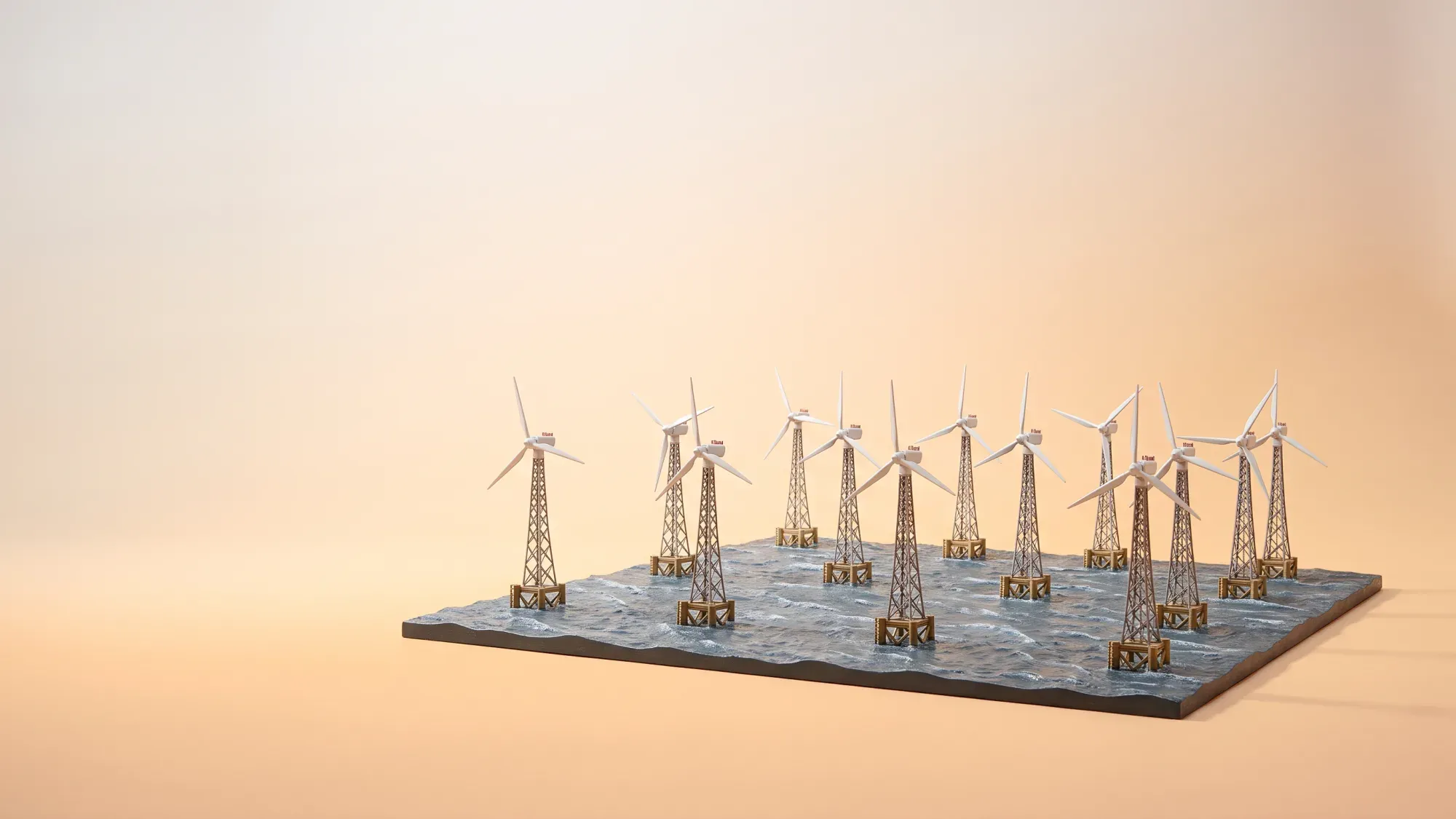
The UK's installed power capacity is set for a significant transformation, with projections indicating it will almost double between 2025 and 20351. This expansion marks an infrastructure-intensive phase in the nation's clean power transition, driven primarily by renewable energy sources.
Thinking about UK power capacity to almost double by 2035? With Fuse Energy, you get clear pricing, real-time usage data, 24/7 human customer support, and a modern energy experience designed around you. Signing up takes just a few minutes, so you can take control of your bills from day one. Click here to switch to Fuse Energy today and start saving.
The UK's electricity system is rapidly evolving, moving away from traditional fossil fuel dominance towards a more diversified and cleaner energy mix. While gas has historically been a significant contributor, the landscape is shifting.
Overview of the existing generation mix
Currently, the UK's electricity generation relies on a mix of sources. Renewable generation is expected to account for roughly two-thirds of gross power output by 2035, with gas-fired capacity continuing to provide flexible balancing capacity and nuclear contributing firm low-carbon generation.
Historical trends in capacity development
Over the past decade, the UK has made considerable strides in increasing its renewable energy share. This trend reflects a concerted effort towards a clean power strategy, aiming to decarbonise the energy system.
The next decade will see an unprecedented expansion of the UK's power infrastructure, fundamentally reshaping how the nation generates electricity.
GlobalData's key forecasts
A new report from GlobalData forecasts that the UK's installed power capacity will nearly double between 2025 and 2035. This substantial growth is expected to see renewables constitute 73% of the generation fleet by 2035, with offshore wind, solar PV, and onshore wind leading the charge. Attaurrahman Ojindaram Saibasan, a Power Analyst at GlobalData, emphasised that "Offshore wind is central to the UK's clean power strategy."
Drivers of capacity growth: electrification and clean power
The push for increased UK power capacity is underpinned by the electrification of various sectors. Electricity demand is anticipated to rise as transport, heating, and industrial processes become increasingly electrified. This growing demand necessitates a robust and expanded power generation capacity to ensure a secure and reliable supply.
Renewable energy is not just a component of the UK's future power mix; it is set to be the dominant force.
Dominance of offshore wind, solar PV, and onshore wind
Offshore wind is a cornerstone of the UK's clean power strategy, with a project pipeline that includes large North Sea developments and the ScotWind leasing round. Solar PV and onshore wind are also expected to see substantial growth. Renewable generation is projected to account for roughly two-thirds of gross power output by 2035.
The importance of flexible capacity and storage
As renewable generation, particularly from intermittent sources like wind and solar, increases, the need for flexible capacity and energy storage becomes critical. Gas-fired capacity is expected to continue providing flexible balancing capacity, while nuclear power will contribute firm low-carbon generation. The UK has extensive interconnection, storage, demand response, and digital flexibility that must develop alongside generation.
While the ambition for clean power is clear, the existing grid infrastructure presents the most significant hurdle to its realisation.
The grid as a primary delivery constraint
The grid is identified as the main delivery constraint for the UK's clean power expansion. The rapid increase in renewable energy projects has led to connection queues, with many projects facing delays. This gridlock means that even ready-to-build projects can be held up, as the network struggles to transport their power efficiently.
Faster grid connections and transmission reinforcement
To overcome these challenges, faster grid connections and significant transmission reinforcement are essential. The National Energy System Operator, transmission owners, and Ofgem are actively pursuing reforms intended to accelerate strategic network investment and improve the connection process. Attaurrahman Ojindaram Saibasan concluded, "The UK's challenge is no longer setting clean-power ambitions; it is converting an extensive development pipeline into operating assets."
The UK's energy landscape is changing, and Fuse Energy is here to help you navigate it. We offer clear pricing, real-time usage data, and 24/7 human customer support, making it easier to manage your home's energy. Click here to switch to Fuse Energy today.